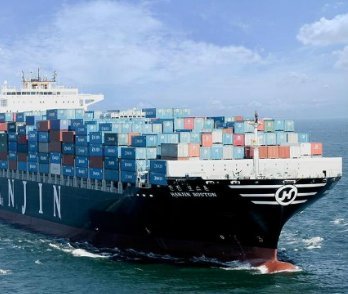
TJ Freight coordinates FCL and LCL ocean shipments to key Micronesian harbors. Container loading, documentation, and local delivery are carefully managed to ensure smooth transit across the archipelago.
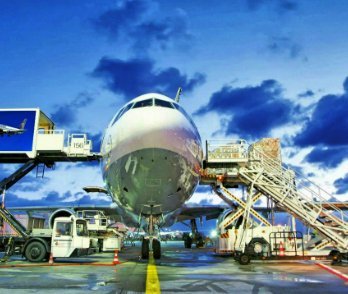
For urgent or high-value shipments, air freight into Chuuk International Airport or Pohnpei International Airport ensures speed and security. TJ Freight manages flight planning, customs clearance, and cargo handling.

Our door-to-door logistics covers supplier pickup in China, export processing, and final delivery anywhere in Micronesia. Sea and air segments are integrated for a seamless shipping experience.
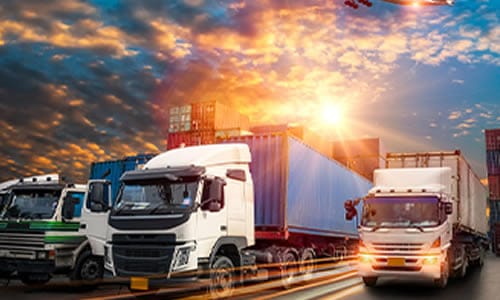
Full Container Load (FCL) is ideal for large shipments requiring exclusive container space. TJ Freight supervises secure packing, proper weight distribution, and compliance with international shipping standards. Suitable for machinery, electronics, consumer goods, and textiles, FCL shipments are delivered efficiently to warehouses and distribution hubs across Micronesia.
Less than Container Load (LCL) allows smaller consignments to share container space without compromising safety. TJ Freight handles consolidation, palletizing, labeling, and customs clearance, with real-time tracking to maintain visibility. LCL is perfect for small batches, mixed cargo, or high-value shipments requiring careful management.
Supplier collection in China with secure transport to Palikir, Weno, and other island locations.
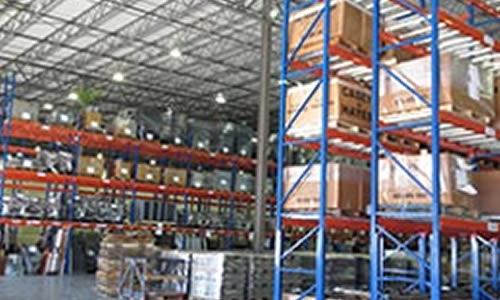
Temporary storage and consolidation for optimized logistics.
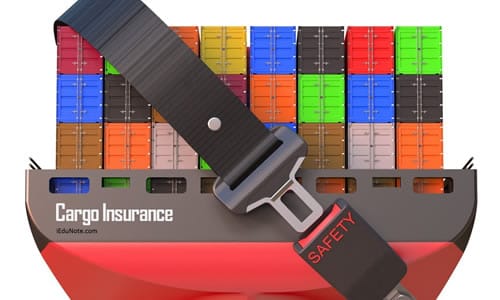
Full protection for sea, air, and multimodal shipments.

Comprehensive documentation and compliance assistance for Micronesian authorities.
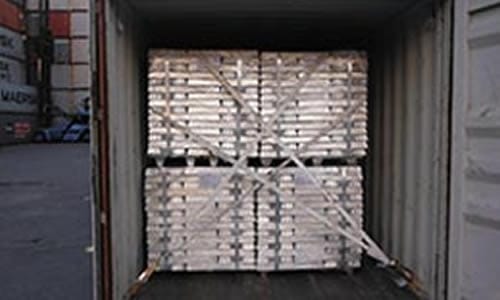
Professional oversight of packaging and container handling to prevent damage.
Shipping time from China to Micronesia is influenced by factors like the chosen shipping method (air or sea), route efficiency, carrier performance, and potential delays in customs. Additionally, seasonal weather conditions and the volume of goods can impact transit times.
Cargo insurance protects against financial loss due to damage, theft, or loss during transit. Whether using air or sea freight, insurance provides coverage for the value of the goods and mitigates the risk of unforeseen events that could impact the shipment.
You can track your shipment using the tracking technology provided by your freight forwarder or carrier. They will offer tracking numbers and updates through online platforms or mobile apps, allowing you to monitor your shipment in real time.
Essential documents include a commercial invoice, packing list, bill of lading, and any required certificates (e.g., origin or safety certificates). Ensure all documents comply with Micronesian customs regulations to avoid delays.
Yes, importing goods into Micronesia may incur customs duties and taxes based on the type and value of the goods. It’s important to check with Micronesian customs authorities or your freight forwarder for specific duties and procedures.
To lower shipping costs, consider consolidating shipments to maximize container use, choose cost-effective shipping methods (like sea freight), and negotiate rates with your freight forwarder. Additionally, optimize packaging to reduce weight and volume.
Common challenges include navigating complex customs regulations, potential delays due to remote location, and higher shipping costs. It’s crucial to work with experienced freight forwarders who are familiar with Micronesian import procedures.
Proper preparation involves using durable packaging, labeling items correctly, and ensuring compliance with Micronesian import regulations. Fragile items should be securely padded, and documentation must be accurate and complete.
If your shipment is delayed, contact your freight forwarder or carrier immediately for updates. They can provide information on the cause of the delay and offer solutions. Tracking systems can also help monitor the status and expected delivery time.
Yes, you can obtain insurance for your shipment to Micronesia. Insurance protects against potential risks such as loss, damage, or theft during transit. Ensure the coverage is adequate for the value and nature of your goods.
Operations deal with the way the vehicles are operated, and the procedures set for this purpose, and policies. In the transport industry, operat ions and ownership of infrastructure can be either country.