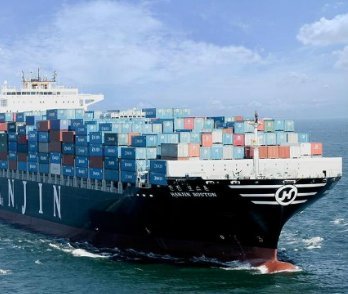
TJ Freight coordinates FCL and LCL ocean shipments to Majuro and Ebeye ports. Container loading, export documentation, and local distribution are handled to ensure smooth transit across the islands.

For urgent or high-value cargo, air freight into Marshall Islands International Airport ensures rapid and secure delivery. TJ Freight manages flight planning, customs clearance, and cargo supervision.

Our door-to-door service covers supplier pickup in China, export processing, and delivery anywhere in the Marshall Islands. Sea and air transport are fully integrated for seamless logistics.

Full Container Load (FCL) offers exclusive container space for large shipments. TJ Freight ensures secure loading, proper weight distribution, and compliance with international shipping standards. FCL is suitable for machinery, electronics, textiles, and consumer goods, with coordinated delivery to warehouses or distribution points across the islands.
Less than Container Load (LCL) allows smaller consignments to share container space efficiently. TJ Freight handles consolidation, palletizing, labeling, and customs clearance, with real-time tracking throughout transit. LCL is ideal for small batches, mixed cargo, or high-value shipments requiring careful handling.
Supplier collection in China with secure delivery to Majuro, Ebeye, and surrounding atolls.
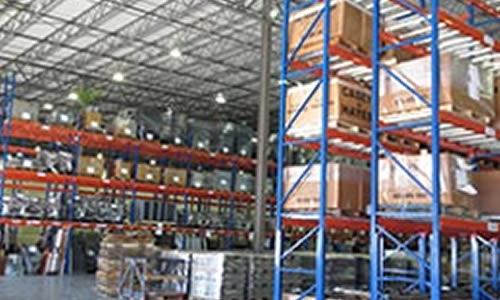
Temporary storage and consolidation for smoother logistics.
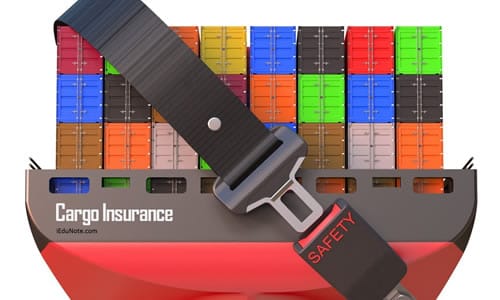
Full coverage for sea, air, and multimodal transport.

Comprehensive documentation and compliance assistance for Marshall Islands authorities.
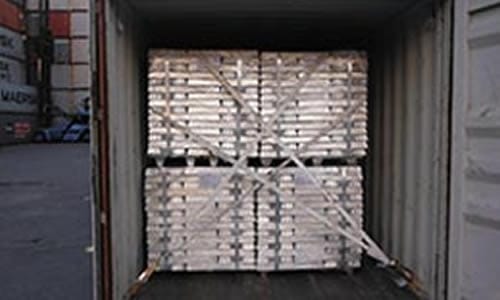
Professional oversight of packaging and container handling.
Shipping time is influenced by the mode of transport (air or sea), the specific route taken, weather conditions, and customs processing times. Sea freight is slower but more economical, while air freight is faster but costs more.
To track your shipment, use the tracking number provided by your freight forwarder or carrier. Most shipping companies offer online tracking systems that allow you to monitor the progress of your shipment in real-time.
Ensure that your shipment complies with the Marshall Islands’ customs regulations. This includes accurate documentation such as invoices and packing lists, and adherence to import duties and taxes.
For faster delivery, air freight is ideal, but it's more costly. Sea freight is more economical for larger or less urgent shipments. Your choice depends on your budget and urgency.
Yes, additional fees may include customs duties, import taxes, and handling charges. Be sure to inquire with your freight forwarder about any potential extra costs that might apply.
Properly package your goods to prevent damage during transit. Use durable packaging materials, and ensure that all items are securely packed and labeled according to international shipping standards.
Risks include potential damage to goods, delays due to weather or customs issues, and loss or theft. Adequate insurance coverage can help mitigate these risks and ensure compensation in case of issues.
Adverse weather conditions such as storms or heavy rain can delay shipping times, particularly for sea freight. It’s important to check weather forecasts and plan accordingly to minimize potential disruptions.
Contact your freight forwarder or carrier to get updated information on the status of your shipment. They can provide details on the cause of the delay and the estimated new delivery time.
Yes, you can opt for expedited shipping options such as air freight or express services. This will speed up delivery times but may come with a higher cost compared to standard shipping methods.
Operations deal with the way the vehicles are operated, and the procedures set for this purpose, and policies. In the transport industry, operat ions and ownership of infrastructure can be either country.