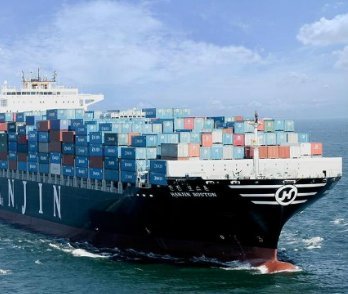
Although Eswatini is landlocked, we coordinate sea freight through Durban and Maputo—handling container routing, transshipment planning, and overland trucking to ensure timely and secure arrival of goods.
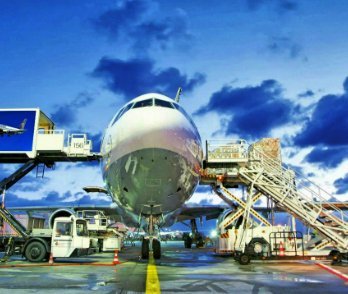
For urgent shipments, our air freight options provide fast transport via Johannesburg or Matsapha Airport. We secure stable airline space, prioritize cargo handling, and coordinate smooth transit into Eswatini.
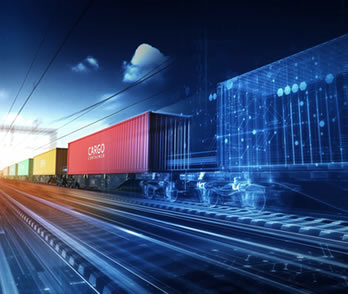
We offer a complete door-to-door service, covering supplier pickup, export processing, global transport, customs coordination, and final delivery across all major cities in Eswatini.
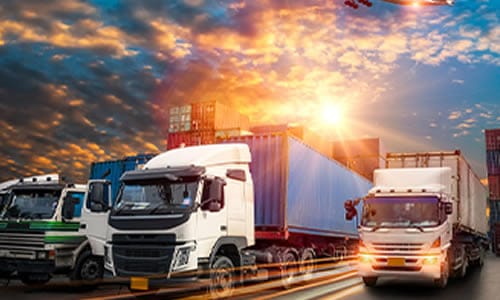
FCL shipping is ideal for large, high-value, or sensitive goods requiring exclusive container space and minimized handling. We negotiate favorable 20GP, 40GP, and 40HQ rates and conduct strict loading supervision to ensure your cargo is well-protected throughout the journey. TJ Freight also manages vessel bookings, export documentation, and inland transport from Durban or Maputo to Eswatini, ensuring consistent transit times and supply chain stability.
Our LCL consolidation service benefits importers moving smaller volumes or combining goods from multiple suppliers in China. We organize consolidation at major China hubs, maintain secure storage, and schedule regular departures toward Southern Africa. After goods arrive at the gateway port, we coordinate deconsolidation and overland trucking to Eswatini. This flexible solution reduces logistics costs while preserving cargo safety and predictable transit performance.
Efficient supplier pickup throughout China with coordinated inland transportation.
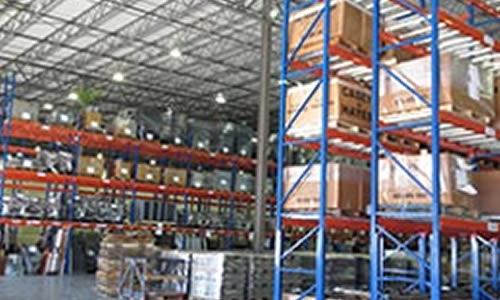
Flexible, secure warehousing solutions for consolidation and pre-shipment staging.
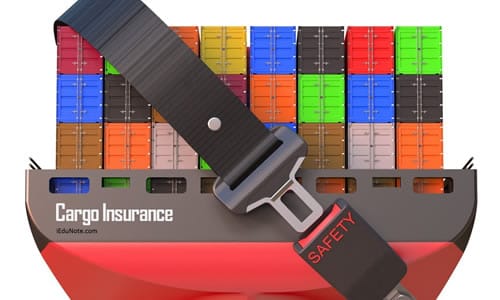
Comprehensive insurance coverage safeguarding shipments across global transit.

Expert support with China export formalities and Eswatini import procedures.
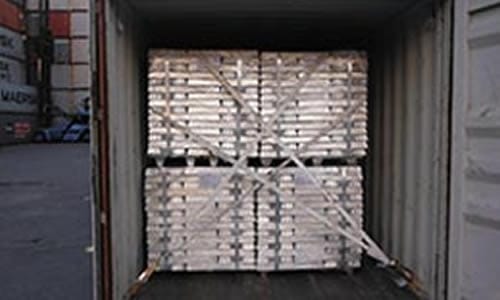
Detailed loading supervision ensuring safe packing, accurate placement, and container integrity.
Shipping costs are influenced by weight, volume, shipping method, destination, and the carrier used. Air freight is usually more expensive but faster compared to sea freight. For an accurate cost, contact the shipping company with detailed information about your cargo.
Customs clearance generally requires a commercial invoice, packing list, bill of lading or air waybill, and any relevant certificates or permits. Specific requirements may vary depending on the type of goods and local regulations.
Common shipping methods include air freight, sea freight, and courier services. Air freight is faster but more expensive, sea freight is cost-effective for large shipments but slower, and courier services offer a balance of speed and cost.
Sea freight typically takes between 30 to 60 days, depending on factors such as the specific shipping route, weather conditions, and port handling times.
Air freight is significantly faster than sea freight, usually taking 7 to 14 days compared to several weeks. It’s ideal for time-sensitive shipments, though it is more expensive.
Tracking can be done through the shipping company's website using a provided tracking number. Most carriers offer online tracking tools for real-time updates on the shipment’s location and status.
Yes, certain goods may be restricted or require special permits. This can include items like pharmaceuticals, chemicals, or high-value goods. Check with the shipping company and local customs regulations for specific restrictions.
A freight forwarder manages logistics and documentation for international shipments. They handle booking transport, arranging customs clearance, and often provide warehousing and insurance services.
Customs duties are taxes imposed on imported goods and can significantly impact shipping costs. Rates depend on the type of goods and their value. Accurate customs declarations and payment of duties are essential for smooth clearance.
Yes, consolidated shipment services are available and involve combining multiple shipments into one larger shipment to reduce costs. This is a cost-effective option for smaller loads but may have longer transit times due to consolidation and deconsolidation processes.
Operations deal with the way the vehicles are operated, and the procedures set for this purpose, and policies. In the transport industry, operat ions and ownership of infrastructure can be either country.