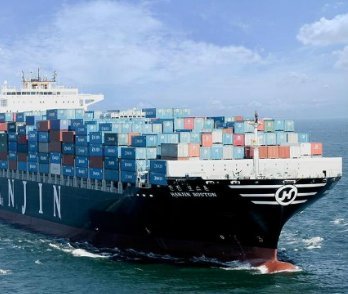
Shipping goods from China to Oman requires precise planning due to its strategic location along the Arabian Sea and evolving port infrastructure. Partnering with TJ Freight, businesses gain customized logistics solutions that guarantee secure cargo handling, transparent tracking, and timely delivery from China’s production hubs to Muscat, Salalah, Sohar, and other key industrial zones. Every shipment is optimized to meet Omani import regulations while minimizing transit time and cost.
TJ Freight handles FCL and LCL ocean freight to Oman’s main ports, including Port of Salalah and Port Sultan Qaboos. Container loading, export documentation, and coordination with inland trucking ensure shipments reach warehouses and industrial hubs smoothly.

Air freight into Muscat International Airport offers speed for high-value or time-sensitive cargo. TJ Freight manages flight scheduling, customs clearance, and cargo handling.

Our door-to-door service covers supplier pickup in China, export clearance, and final delivery anywhere in Oman. Sea and air freight are seamlessly integrated to simplify the supply chain.

Full Container Load (FCL) provides dedicated container space for large shipments. TJ Freight ensures proper packing, weight distribution, and adherence to international safety standards. FCL is suitable for machinery, textiles, electronics, and consumer goods. Port handling and inland delivery are coordinated for smooth transit to Oman’s warehouses or industrial zones.
Less than Container Load (LCL) allows smaller consignments to share container space, optimizing costs while maintaining safety. TJ Freight manages consolidation, palletizing, labeling, and customs documentation, with real-time tracking throughout the shipment.
Supplier pickup in China with secure delivery to Muscat, Salalah, Sohar, and other regions.
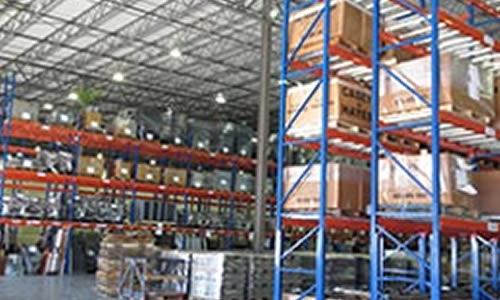
Flexible staging and storage to streamline shipments.
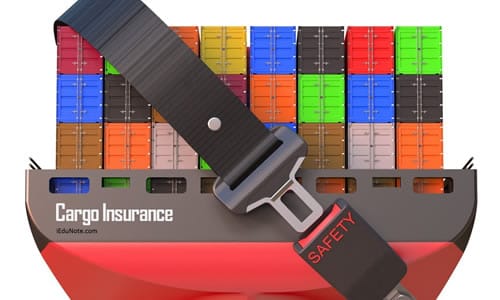
Full coverage for sea, air, and inland transport.

Documentation and regulatory support for Oman customs.
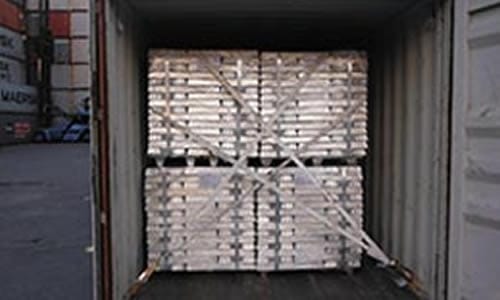
Supervised packaging and container management to ensure cargo safety.
Several factors impact shipping time from China to Oman. These include the mode of transportation (air or sea), the specific ports of departure and arrival, customs processing times, and potential delays due to weather or logistical issues. Air freight is faster, usually taking 5 to 10 days, while sea freight can range from 20 to 35 days. Additionally, efficient customs clearance and route optimization play crucial roles in determining the overall shipping duration.
To expedite shipping from China to Oman, consider using air freight instead of sea freight for faster delivery. Ensure that all documentation is accurate and complete to avoid delays during customs clearance. Work with a reliable freight forwarder who offers expedited services and tracks your shipment closely. Properly packaging goods and choosing a direct route can also help minimize transit times.
When shipping from China to Oman, customs requirements include accurate documentation such as commercial invoices, packing lists, and bills of lading. Ensure compliance with Omani import regulations, including any specific documentation for restricted or prohibited items. Customs duties and taxes may apply, so familiarize yourself with these costs to avoid surprises. Engaging a customs broker can streamline the process and ensure adherence to all requirements.
Common delays in shipping from China to Oman can result from customs inspections, weather conditions, port congestion, and logistical issues. Documentation errors or incomplete paperwork can also cause delays. To mitigate these risks, ensure all paperwork is accurate, choose reliable carriers, and track your shipment regularly to address potential issues promptly.
The best shipping method from China to Oman depends on your priorities. For faster delivery, air freight is ideal, taking 5 to 10 days. Sea freight is more economical but slower, with transit times ranging from 20 to 35 days. Choose based on your budget, delivery urgency, and the nature of the goods being shipped.
You can track your shipment from China to Oman by using tracking numbers provided by your freight forwarder or carrier. Most shipping companies offer online tracking systems where you can monitor the real-time status of your cargo. Additionally, your freight forwarder can provide updates and assist with tracking if needed.
If your shipment from China to Oman is delayed, first check the tracking information for updates. Contact your freight forwarder or carrier to inquire about the cause of the delay and estimated delivery time. Ensure that all documentation is correct and address any issues with customs or logistics promptly to minimize further delays.
When choosing a freight forwarder for shipping from China to Oman, consider their reputation, experience, and customer reviews. Verify their expertise in handling shipments to Oman, their understanding of local customs regulations, and their ability to offer competitive rates. Evaluate their customer service and tracking capabilities to ensure smooth handling of your cargo.
Costs for shipping from China to Oman vary based on the shipping method, weight, volume, and type of goods. Air freight typically costs more than sea freight but offers faster delivery. Additional costs may include customs duties, taxes, insurance, and handling fees. Obtain quotes from multiple carriers to compare costs and choose the best option for your needs.
To protect your goods during shipping from China to Oman, use high-quality packaging materials that suit the nature of your cargo. Consider insurance coverage to safeguard against loss or damage. Work with a reputable freight forwarder who provides secure handling and tracking services. Implement additional security measures if necessary, such as sealed containers or secure storage options.
Operations deal with the way the vehicles are operated, and the procedures set for this purpose, and policies. In the transport industry, operat ions and ownership of infrastructure can be either country.