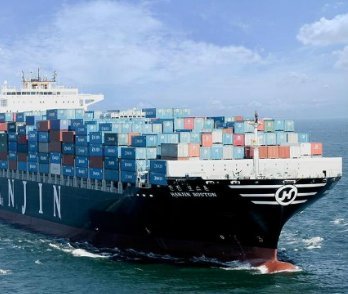
TJ Freight coordinates FCL and LCL ocean freight to Pago Pago Harbor. Container loading, export documentation, and local delivery are carefully handled to ensure smooth and reliable transit.
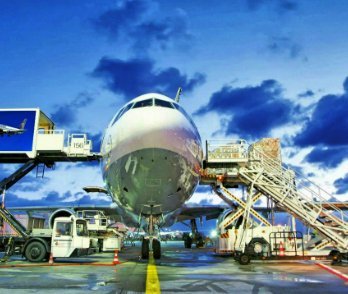
For urgent or sensitive shipments, air freight into Pago Pago International Airport allows fast, secure delivery. TJ Freight manages flight scheduling, customs compliance, and cargo handling.

Our door-to-door service covers supplier pickup in China, export clearance, and delivery anywhere in American Samoa. Sea and air freight are seamlessly integrated to provide end-to-end logistics.

Full Container Load (FCL) provides exclusive container space for large shipments. TJ Freight ensures secure packing, proper weight distribution, and compliance with international shipping standards. FCL is ideal for machinery, electronics, textiles, and consumer goods, with coordinated delivery to warehouses or distribution hubs in American Samoa.
Less than Container Load (LCL) allows multiple smaller consignments to share container space efficiently. TJ Freight handles consolidation, palletizing, labeling, and customs clearance, with real-time tracking. LCL is suitable for small batches, mixed cargo, or high-value goods requiring careful handling.
Supplier collection in China with secure delivery to Pago Pago and surrounding areas.
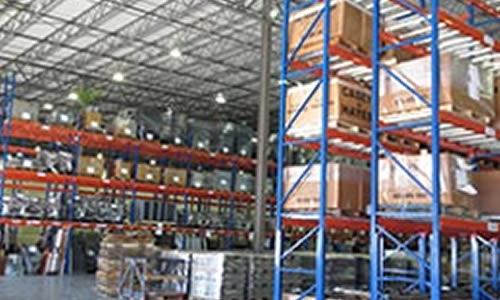
Temporary storage and consolidation for streamlined operations.
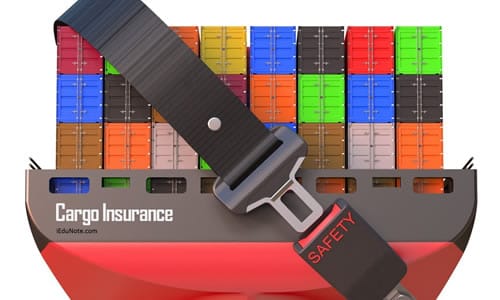
Comprehensive coverage for sea, air, and multimodal transport.

Full documentation and compliance assistance for American Samoan authorities.
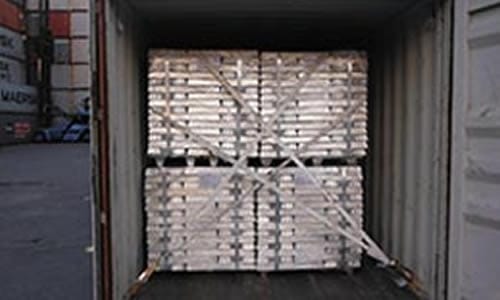
Professional oversight to maintain cargo integrity.
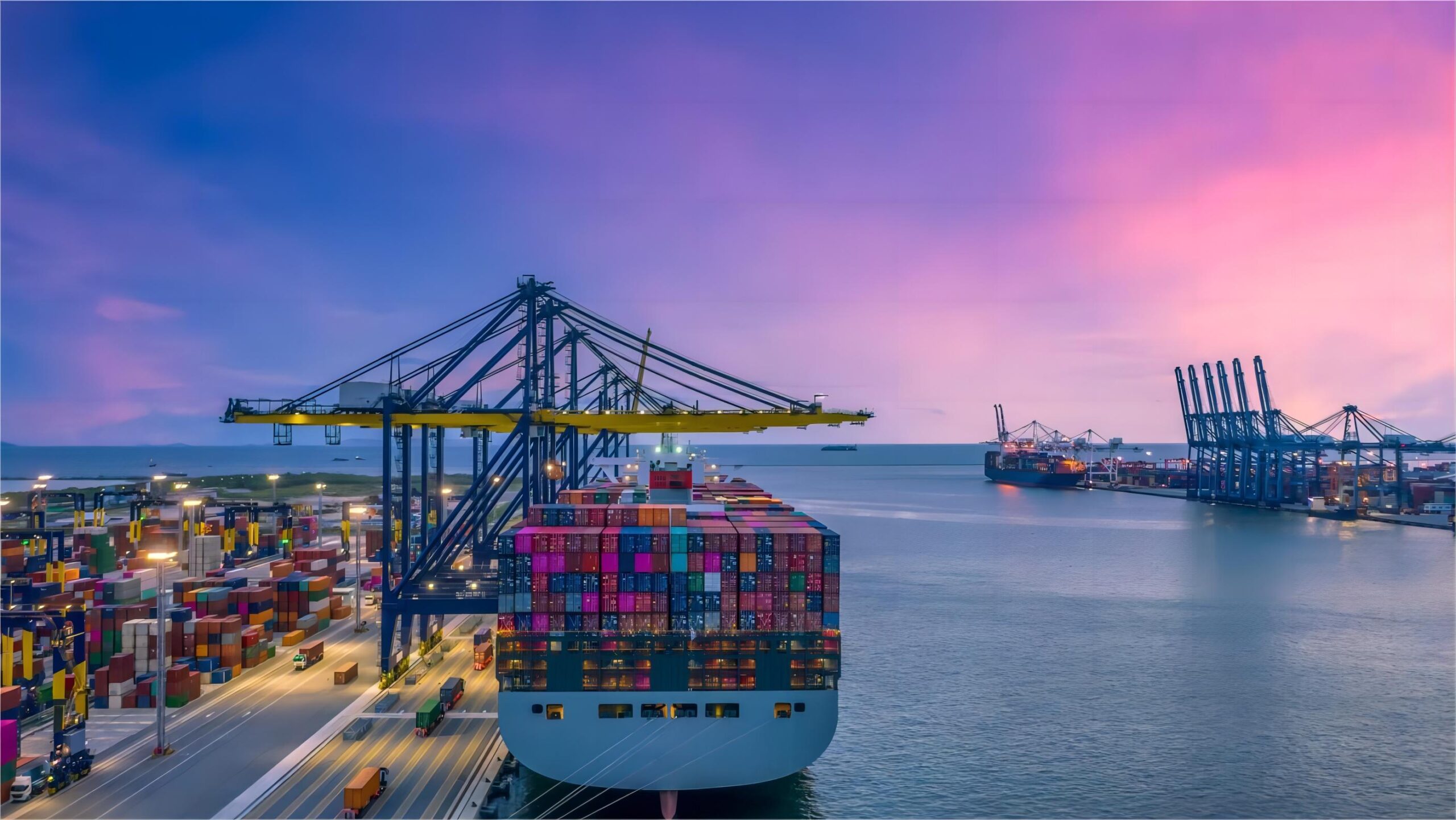
The main shipping options from China to American Samoa include sea freight, air freight, and express courier services. Sea freight is cost-effective but slower, typically taking 20 to 40 days. Air freight is faster, usually between 7 to 14 days, but more expensive. Express services offer the quickest delivery but are also the priciest, often taking 3 to 7 days. Choose based on your budget and urgency.
Shipping time from China to American Samoa is influenced by factors such as the shipping method, transit routes, customs clearance, and weather conditions. Air freight is faster but depends on flight schedules, while sea freight depends on shipping routes and port congestion. Customs processing and unforeseen delays can also impact overall shipping time.
To track your shipment, use the tracking services provided by your freight forwarder or carrier. Most companies offer online tracking systems where you can enter your shipment’s tracking number to view real-time updates. Ensure you receive tracking details from your provider once your shipment is dispatched.
Essential documentation includes the commercial invoice, packing list, bill of lading or air waybill, and any required certificates or permits. Ensure that all documents comply with both Chinese export regulations and American Samoan import requirements to avoid delays.
Importing goods into American Samoa requires compliance with U.S. Customs and Border Protection regulations. You need to provide a detailed commercial invoice, packing list, and proof of origin. Some goods might also require additional permits or certifications. Verify with local customs authorities for specific requirements.
To reduce shipping costs, consider consolidating shipments to maximize space usage, compare rates from different carriers, and select cost-effective shipping methods. Additionally, negotiating long-term contracts with freight forwarders and optimizing packaging can further lower expenses.
Air freight offers faster delivery, usually within 7 to 14 days compared to 20 to 40 days for sea freight. It is ideal for time-sensitive shipments and high-value goods. However, it is more expensive than sea freight, so weigh the urgency against your budget when choosing the method.
Ensure safety by using robust packaging, selecting reliable freight forwarders, and obtaining comprehensive insurance. Regularly track your shipment and communicate with your freight provider to address any issues promptly. Proper risk assessment and adherence to shipping regulations also contribute to safe delivery.
Contact your freight forwarder or carrier immediately to get an update on the delay. Investigate the cause, whether it’s due to customs, weather, or other factors. Stay informed about the revised delivery schedule and ensure all necessary documentation is accurate to avoid further issues.
Operations deal with the way the vehicles are operated, and the procedures set for this purpose, and policies. In the transport industry, operat ions and ownership of infrastructure can be either country.