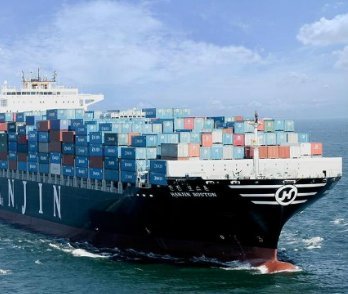
Shipping from China to Russia benefits from strong overland connectivity, established rail corridors, and flexible multimodal routing across the region. With support from TJ Freight, businesses gain structured logistics solutions offering predictable transit, secure cargo handling, and full shipment visibility. From export preparation in China to cross-border procedures and delivery across Moscow, St. Petersburg, Vladivostok, Yekaterinburg, and regional markets, we ensure every shipment is managed efficiently and reliably.
TJ Freight provides stable ocean freight options entering Russia through major gateways such as Vladivostok, Vostochny, and St. Petersburg, as well as alternative EU ports when needed. We manage FCL/LCL loading, maritime scheduling, export documentation, and inland delivery to support both Far East and European Russia supply chains.
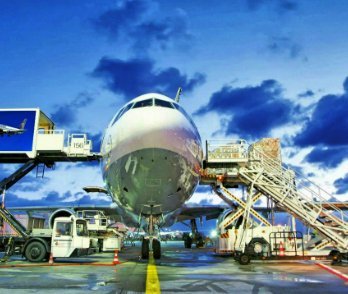
For urgent or high-value shipments, air freight remains one of the fastest transport methods. Cargo can be routed directly into Moscow’s major airports or through regional hubs. TJ Freight oversees export compliance, routing optimization, and secure cargo handling to ensure timely delivery.

Rail is one of the most efficient and widely used modes for China–Russia logistics. With frequent departures, strong land-border connections, and predictable transit times, rail freight provides a balanced option for both cost and speed. TJ Freight manages rail booking, customs documentation, and final delivery across Russia’s major industrial and commercial regions.

Our FCL service ensures dedicated container capacity, secure long-distance transport, and flexible routing via seaports or land borders. TJ Freight supervises container loading, ensuring balance, safety, and compliance. We coordinate inland trucking or rail as needed, supporting sectors such as machinery, automotive components, electronics, household goods, construction materials, and industrial supplies. With structured documentation and milestone tracking, FCL shipping provides consistent results for Russia-bound imports.
For smaller or multi-supplier shipments, LCL offers a cost-effective and flexible alternative. TJ Freight handles consolidation, palletizing, labeling, and cargo separation at major hubs. We coordinate ocean schedules, rail transfers, customs procedures, and cross-border delivery into Russia. Real-time tracking ensures stable inventory flow for retailers, wholesalers, and distributors.
Coordinated pickup across China’s manufacturing regions with dependable delivery throughout Russia.
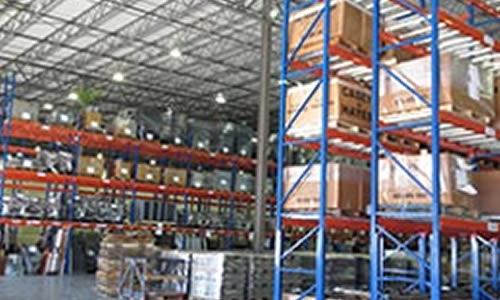
Secure warehousing for consolidation, staging, and temporary storage.
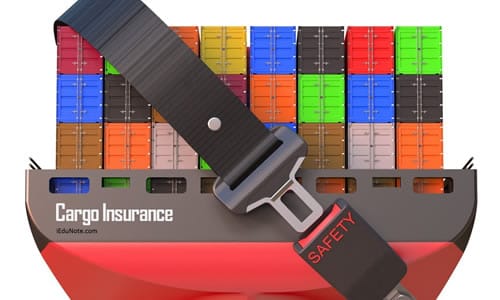
Coverage suited for long-distance, multimodal, or high-value shipments.

Accurate export documentation and support for China–Russia customs requirements.
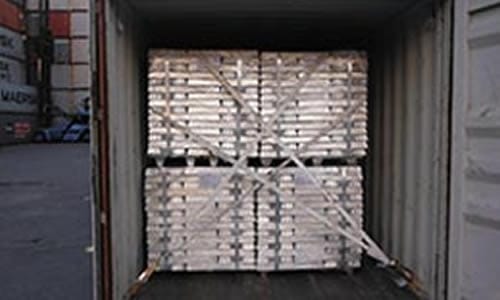
On-site supervision of packaging quality, labeling, and container securing.
Technology plays a critical role by providing real-time tracking and automated inventory management. Tools like RFID and barcode scanning improve accuracy and efficiency, reducing human error and ensuring that inventory levels are updated in real-time.
To minimize delays, businesses should use efficient logistics planning, select reliable carriers, and utilize real-time tracking systems. Proper documentation and compliance with customs regulations also play a crucial role in preventing delays.
Best practices include using durable packaging materials, ensuring that fragile items are well-padded, and labeling packages clearly. Proper packaging protects goods from damage and facilitates smoother handling during transit.
Customs regulations impact freight services by dictating documentation requirements, tariffs, and import/export restrictions. Compliance with these regulations is essential to avoid delays, fines, or shipment rejections.
Common challenges include customs clearance delays, language barriers, varying regulatory requirements, and infrastructure limitations. Addressing these challenges requires effective planning and coordination with experienced logistics partners.
Companies should stay informed about Russian import regulations, ensure all documentation is accurate, and work with customs brokers who are familiar with local requirements. Regular updates and audits help maintain compliance.
Freight forwarders offer expertise in logistics, customs handling, and route optimization. They streamline the shipping process, reduce risks, and provide valuable support in managing complex international shipments.
Businesses can improve accuracy by implementing advanced tracking technologies, maintaining up-to-date systems, and ensuring clear communication with all parties involved in the shipping process.
Effective strategies include thorough documentation of the damage, prompt reporting to the insurer or freight forwarder, and maintaining detailed records of the shipment and packaging. These steps facilitate the claims process and improve recovery chances.
Seasonal fluctuations can affect demand, lead to capacity constraints, and impact transit times. Businesses should plan for peak seasons, adjust shipping schedules, and work with flexible logistics partners to manage these variations.
Operations deal with the way the vehicles are operated, and the procedures set for this purpose, and policies. In the transport industry, operat ions and ownership of infrastructure can be either country.