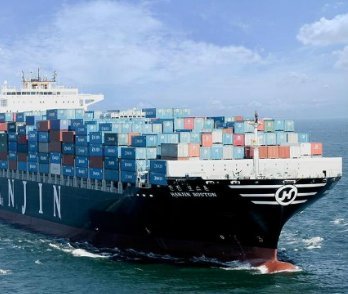
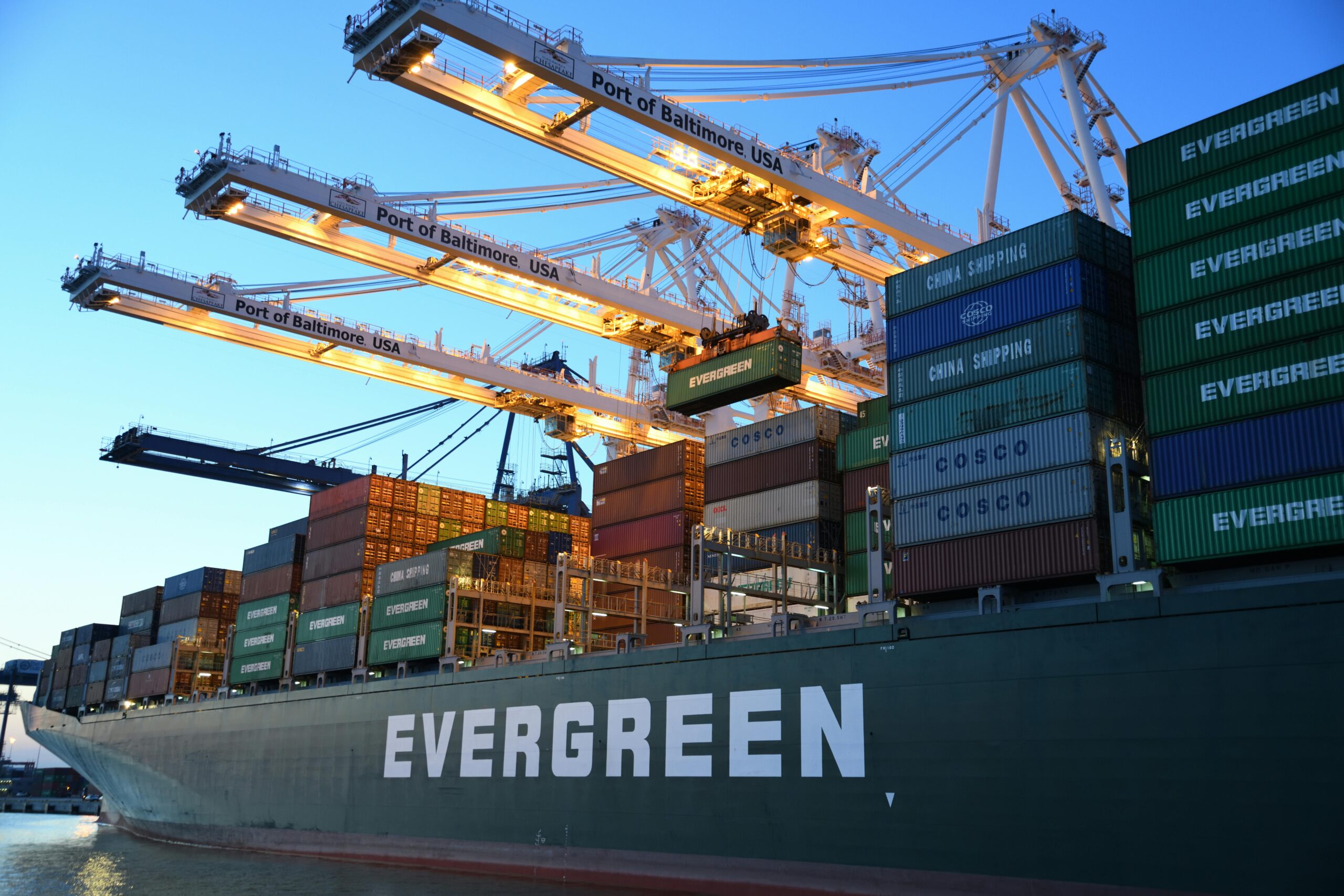
Although the Czech Republic is landlocked, TJ Freight provides FCL and LCL sea freight services via major EU ports such as Hamburg, Koper, and Rotterdam. We manage container loading, export compliance, route planning, and inland transport to ensure stable and cost-efficient shipping into Czech industrial and commercial centers.
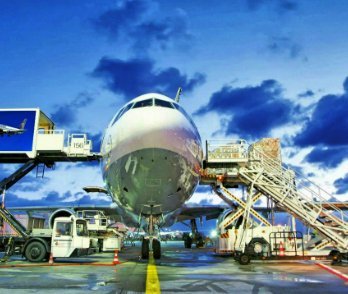
For urgent or high-value shipments, our air freight service offers rapid and controlled delivery into Prague Airport and other regional hubs. TJ Freight manages export documentation, flight coordination, and secure cargo handling to support time-critical supply chains requiring fast transit.

Our rail freight service provides a balanced option between sea and air freight, offering shorter transit times and competitive pricing through established China–Europe railway corridors. TJ Freight arranges rail booking, customs preparation, and final delivery across the Czech Republic. With fixed weekly departures and reliable intermodal links, rail is ideal for medium-priority shipments requiring stable transit.

Our FCL service is designed for large shipments requiring dedicated container space and long-distance stability. TJ Freight supervises container loading at origin, ensuring proper securing, weight balance, and compliance with international standards. We coordinate sea entry via EU ports, inland trucking or rail, and customs documentation to maintain a predictable supply chain. With milestone tracking and strong communication, our FCL service supports Czech industries such as automotive, machinery, electronics, and retail.
For smaller or multi-supplier shipments, our LCL service offers flexible and cost-efficient transport. TJ Freight manages consolidation, palletizing, labeling, and systematic cargo separation at hubs. We coordinate EU port transshipment, customs handling, and inland delivery into Czech distribution centers. With real-time tracking and controlled schedules, our LCL solution supports frequent replenishment for wholesalers, retailers, and e-commerce importers.
Coordinated pickup across China with structured delivery throughout Czechia.
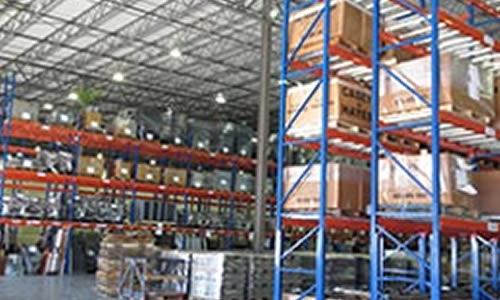
EU-standard warehousing for consolidation, storage, and staging.
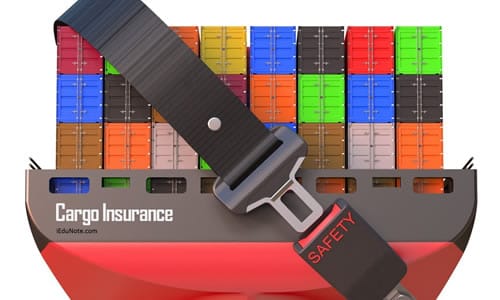
Protection tailored for long-distance and high-value shipments.

Accurate export documentation and full EU customs compliance support.
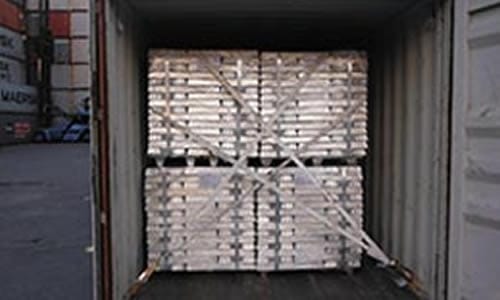
Verification of packaging quality, labeling, and container readiness.
The main shipping options from China to the Czech Republic include sea freight, air freight, and rail transport. Sea freight is cost-effective for large volumes but slower, taking about 30-40 days. Air freight is faster, usually taking 7-14 days, but is more expensive. Rail transport offers a middle ground, with transit times of around 15-20 days. Choose based on your budget and urgency.
To track your shipment, use the tracking services provided by your freight forwarder or carrier. They offer online tracking systems where you can enter your tracking number to see real-time updates on your shipment’s status. Alternatively, you can request regular status updates from your forwarder for more detailed information throughout the journey.
Essential documents for shipping include a commercial invoice, packing list, bill of lading (for sea freight) or air waybill (for air freight), and a certificate of origin. Depending on the type of goods, additional documentation such as import permits or certificates may be required. Ensure all documents are accurate to avoid delays at customs.
Customs regulations can impact shipping by requiring specific documentation, imposing duties and taxes, and enforcing import restrictions. Ensure compliance with Czech customs regulations by providing accurate documentation and understanding any applicable tariffs or import duties. Consulting with a customs broker can help navigate these requirements smoothly.
Shipping costs depend on the mode of transport, weight and volume of the cargo, and additional services such as insurance or customs handling. Sea freight is generally more affordable, while air freight is more costly but faster. Obtain quotes from freight forwarders to compare costs based on your specific shipment details.
To ensure shipment safety, use sturdy packaging materials, secure fragile items properly, and opt for insurance coverage. Choose reputable carriers with strong safety records and consider using tracking services to monitor your shipment’s progress. Implementing these measures can protect your goods from damage or loss during transit.
If a shipment is delayed, contact your freight forwarder or carrier for an update on the status and reasons for the delay. They can provide information on estimated delivery times and any actions being taken to resolve the issue. It’s also helpful to check if any additional customs or regulatory issues are causing the delay.
Yes, but shipping hazardous materials requires adherence to strict regulations. Ensure compliance with international and Czech regulations regarding labeling, documentation, and handling of hazardous materials. Work with a freight forwarder experienced in handling such shipments to ensure safe and compliant transport.
The choice of port can significantly affect shipping times. Major ports like Shanghai or Shenzhen generally offer faster and more frequent services compared to smaller ports. Selecting the nearest or most efficient port for your destination can optimize transit times and potentially reduce costs.
To manage shipping costs effectively, compare quotes from different freight forwarders, choose the most suitable shipping method based on urgency and budget, and optimize packaging to reduce weight and volume. Consider consolidating shipments to save on costs and negotiate rates with carriers for better deals.
Operations deal with the way the vehicles are operated, and the procedures set for this purpose, and policies. In the transport industry, operat ions and ownership of infrastructure can be either country.