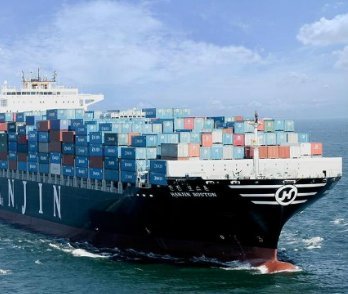
TJ Freight offers stable FCL and LCL ocean freight services entering Portugal through key ports such as Lisbon, Leixões (Porto), and Sines. We manage container loading, sailing schedules, documentation accuracy, and inland distribution to provide predictable and cost-effective ocean transport solutions.

For high-value or urgent shipments, our air freight service ensures fast and controlled delivery into Lisbon Airport and Porto Airport. TJ Freight coordinates export documentation, routing, and professional cargo handling to support time-sensitive supply chains requiring quick transit.

Our rail freight service offers a balanced solution between air and sea, entering Europe through major rail hubs and connecting to Portugal via Spain’s logistics network. TJ Freight manages rail booking, customs preparation, and last-mile delivery. With steady departures and reliable intermodal links, rail provides efficient mid-speed transit for businesses seeking both stability and competitive pricing.

Our FCL service is ideal for medium to large shipments requiring dedicated container space and consistent long-distance routing. TJ Freight oversees container loading in China to ensure proper securing, balanced weight distribution, and full compliance with international shipping standards. We coordinate ocean entry through Lisbon, Sines, or Leixões, followed by structured inland delivery. With milestone tracking and accurate documentation, our FCL service supports industries such as textiles, ceramics, electronics, automotive parts, and retail.
For smaller or mixed-volume shipments, our LCL service provides flexible and cost-efficient logistics handling. TJ Freight manages consolidation, palletizing, labeling, and systematic separation at hubs. We coordinate sailing schedules, EU customs procedures, and inland delivery into Portugal’s distribution centers. Real-time tracking ensures consistent and reliable supply-chain performance for wholesalers, retailers, and e-commerce importers.
Organized pickup across China with efficient inland delivery throughout Portugal.
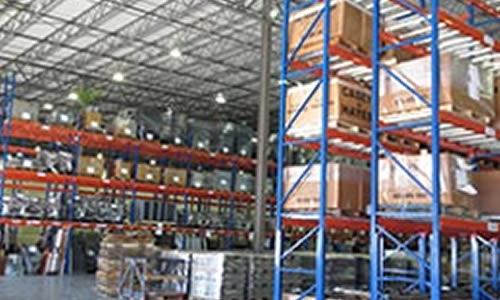
EU-standard warehousing for consolidation, staging, and temporary storage.
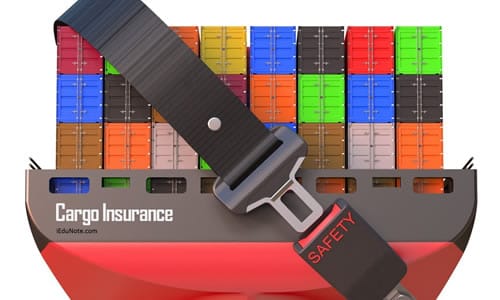
Coverage designed for long-distance, sensitive, or high-value shipments.

Accurate export documentation and full EU customs compliance support.
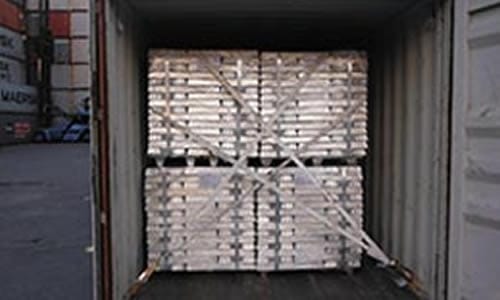
Verification of packaging quality, labeling accuracy, and container condition.
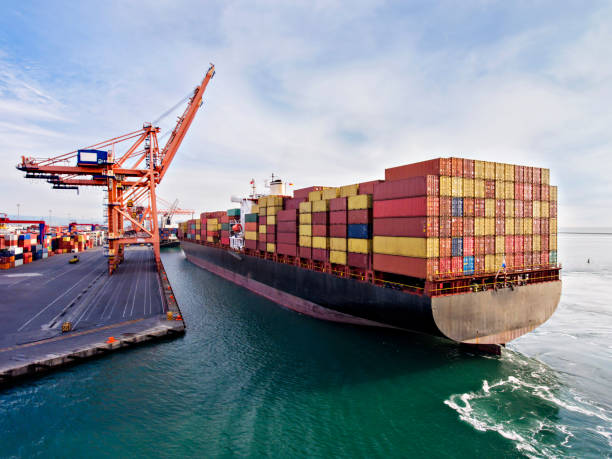
Shipping times from China to Portugal depend on several factors, including the mode of transport (air or sea), the specific departure and destination ports, customs processing times, and the efficiency of the freight forwarder. Air freight is faster but more expensive, while sea freight is more cost-effective but slower.
To track your shipment, use the tracking number provided by your freight forwarder or carrier. Most companies offer online tracking systems on their websites. You can also request regular updates through email or SMS from your freight service provider.
Customs requirements include providing accurate documentation such as the commercial invoice, packing list, and bill of lading. Ensure compliance with Portuguese import regulations, including tariffs, VAT, and any specific import restrictions. Customs clearance may also require certificates of origin or conformity for certain goods.
Shipping costs are determined by factors such as the weight and volume of the cargo, the shipping method (air or sea), and the distance between the ports. Additional costs may include insurance, customs duties, and handling fees. Freight forwarders usually provide quotes based on these variables.
Use durable and secure packaging materials to protect goods during transit. For fragile items, use cushioning materials like bubble wrap or foam. Ensure that the packaging is labeled correctly and includes all necessary documentation to comply with customs requirements.
Yes, certain items may be restricted or prohibited due to safety, health, or environmental concerns. Common restrictions include hazardous materials, pharmaceuticals, and specific electronics. Check with Portuguese customs and your freight forwarder for a list of restricted items before shipping.
Contact your freight forwarder or carrier for an update on the status of your shipment. They can provide information on the cause of the delay and an estimated delivery time. It’s also helpful to track your shipment online and check with customs for any clearance issues.
Obtain insurance coverage through your freight forwarder or a third-party insurer. Verify that the policy covers potential risks such as loss, damage, or theft. Ensure that the insurance value aligns with the value of your shipment for adequate protection.
Required documentation includes the commercial invoice, packing list, bill of lading, and any applicable certificates of origin or conformity. Ensure all documents are complete and accurate to avoid delays or issues with customs clearance.
Research and compare freight forwarders based on their reputation, customer reviews, and service offerings. Look for companies with experience in shipping to Portugal, transparent pricing, and a track record of timely deliveries. Verify their compliance with international shipping standards and regulations.
Operations deal with the way the vehicles are operated, and the procedures set for this purpose, and policies. In the transport industry, operat ions and ownership of infrastructure can be either country.