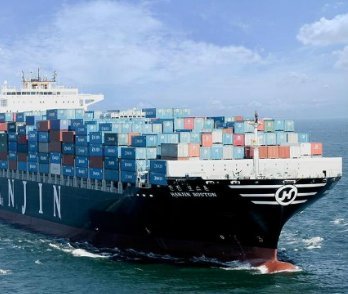
Shipping from China to Norway requires reliable multimodal planning, strong customs coordination, and smooth integration with Nordic transport networks. With support from TJ Freight, businesses benefit from structured freight solutions offering predictable transit, secure cargo handling, and full visibility from origin to delivery. From export preparation in China to customs processing and nationwide distribution into Oslo, Bergen, Stavanger, Trondheim, and key industrial zones, we ensure stable and well-managed logistics performance.
TJ Freight delivers dependable FCL and LCL sea freight solutions via key gateways such as the Port of Oslo, as well as nearby Nordic hubs including Gothenburg and Aarhus. We manage container loading, export documentation, sailing schedules, and inland transport to support cost-efficient and consistent maritime shipping.
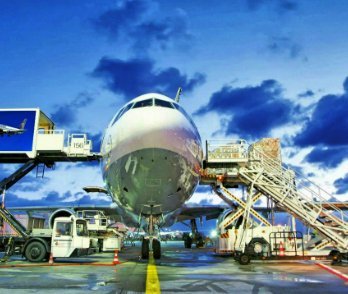
Air freight is widely used for urgent or high-value shipments into Oslo Airport, one of Northern Europe’s most active cargo hubs. TJ Freight oversees export clearance, routing, and secure cargo handling to ensure quick and dependable transit for time-sensitive imports.
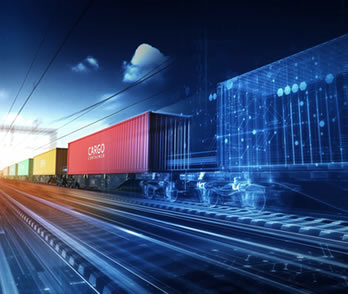
While Norway has no direct China–Europe rail route, rail remains a practical option for the China → EU segment. Cargo arrives at major European terminals—such as Duisburg, Hamburg, or Warsaw—before connecting to Norway by road or sea. TJ Freight arranges rail booking, customs procedures, and intermodal transfers to provide a balanced transport solution that combines efficiency and competitive cost.
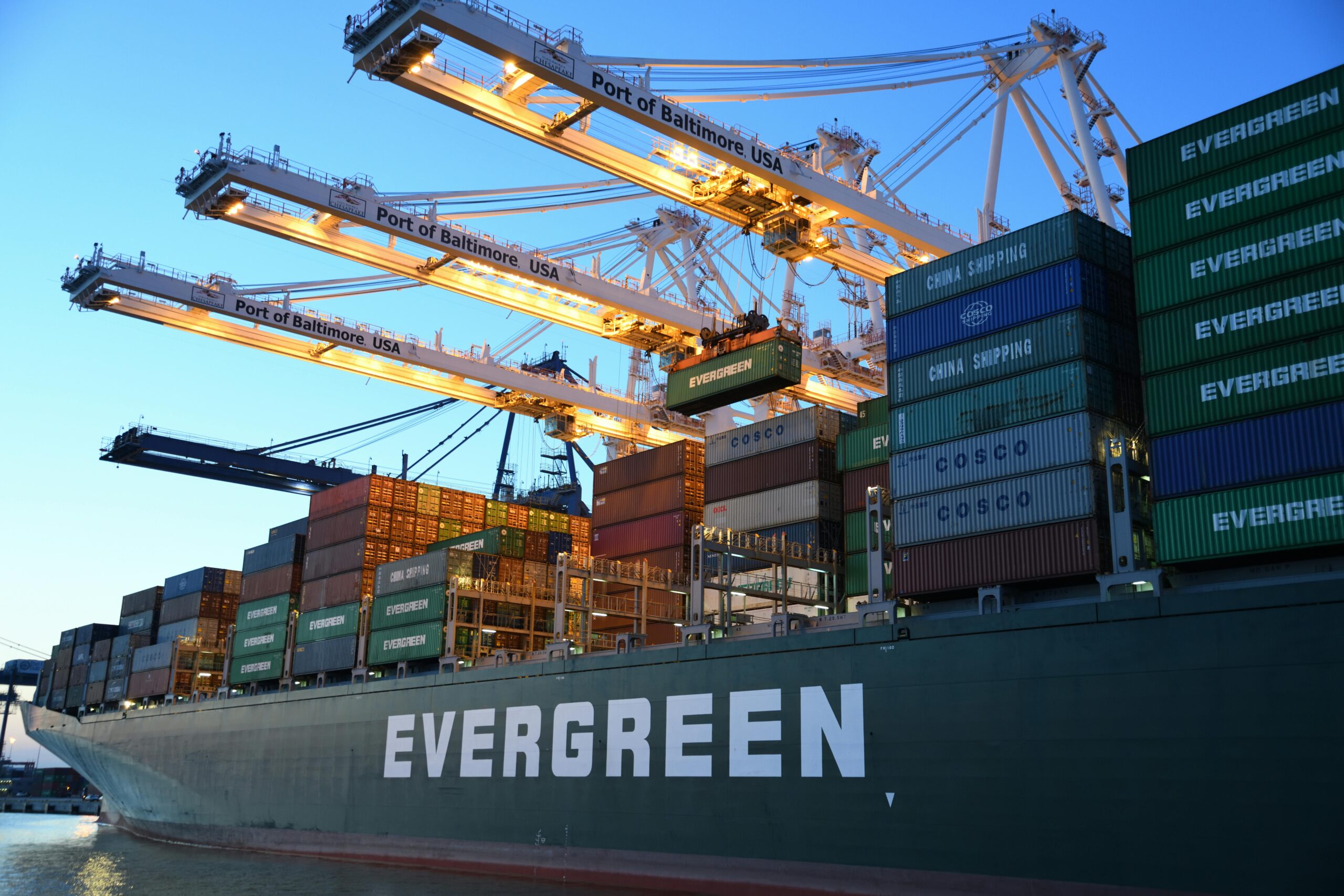
Our FCL service ensures secure, dedicated container space for large or continuous shipments. TJ Freight supervises container loading in China, ensuring proper fastening and compliance with international standards. Cargo typically enters through Nordic or EU ports before being delivered inland to Norway. With milestone tracking and structured documentation, our FCL service supports industries such as seafood equipment, engineering components, electronics, household goods, and retail distribution.
For smaller-volume shipments or multi-supplier sourcing, LCL offers flexibility and competitive cost. TJ Freight handles consolidation, palletizing, labeling, and structured separation at major hubs. We coordinate ocean schedules, regional customs procedures, and inland distribution to Norway’s commercial networks. Clear tracking visibility supports consistent and controlled inventory flow.
Coordinated pickup across China with efficient inland delivery throughout Norway.
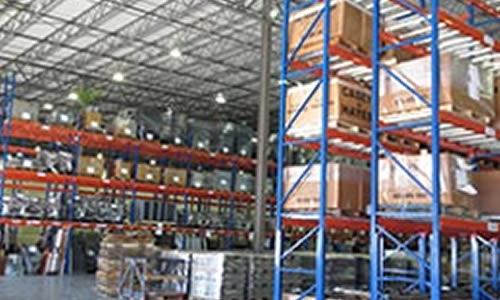
EU-standard warehousing for consolidation, storage, and staging.
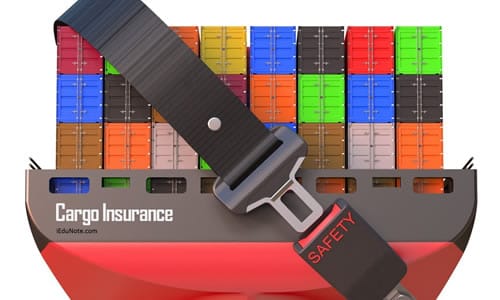
Protection tailored for long-distance, multimodal, and high-value shipments.

Accurate export documentation paired with guidance for Norway’s import requirements.
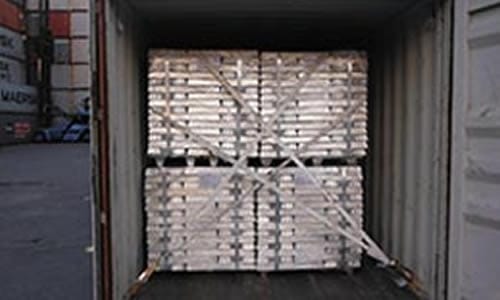
Professional oversight of packaging, labeling, and container securing.
Shipping times from China to Norway are influenced by the chosen transport mode (air or sea), distance, customs clearance, and any potential delays in the logistics chain. Air freight is quicker but more expensive, while sea freight is cost-effective but slower. Other factors include the efficiency of the freight forwarder, weather conditions, and port congestion.
You can track your shipment from China to Norway using tracking numbers provided by your freight forwarder or carrier. Most carriers offer online tracking systems that allow you to monitor your shipment’s progress in real-time. Ensure to use the carrier’s website or app for accurate tracking information.
Essential documents include a commercial invoice, packing list, bill of lading, and certificate of origin. Depending on the nature of the goods, additional documents like certificates of conformity or import permits may be required. Ensure all documents are accurate and complete to facilitate smooth customs clearance.
Yes, customs duties and taxes may apply to shipments from China to Norway. The exact amount depends on the type of goods and their value. Norway’s customs authorities will assess duties based on the Harmonized System (HS) code of the goods. It’s advisable to check current rates and regulations to avoid surprises.
To ensure the safety of your goods, use high-quality packaging materials, choose a reliable freight forwarder, and secure adequate insurance coverage. Properly label and document your shipment, and comply with all regulations and safety standards. Regular tracking and clear communication with your freight partner also help in ensuring safe delivery.
Air freight offers faster shipping times compared to sea freight, with typical delivery times of 7 to 14 days. It is ideal for high-value, time-sensitive, or perishable goods. Air freight also provides better security and tracking capabilities, making it a reliable option for urgent shipments.
Sea freight is generally more cost-effective but slower, with delivery times ranging from 25 to 35 days. It is suitable for large, heavy, or non-urgent shipments. Air freight is faster, with delivery typically in 7 to 14 days, but is more expensive. It is best for urgent or high-value goods.
If your shipment is delayed, first contact your freight forwarder or carrier for information. They can provide updates on the delay and potential solutions. Check tracking systems and ensure all required documents are in order. In some cases, delays may be due to customs issues or logistical problems that need resolution.
Shipping costs depend on factors such as the mode of transport, weight, dimensions of the cargo, and destination. For accurate cost estimates, consult with your freight forwarder or use online shipping calculators provided by carriers. They will consider all these factors to provide a detailed cost breakdown.
Common challenges include customs clearance delays, fluctuating shipping rates, and potential damage or loss of goods. Other issues may include navigating complex regulations, dealing with unexpected costs, and managing logistical disruptions. Working with a reliable freight forwarder and preparing adequately can help mitigate these challenges.
Operations deal with the way the vehicles are operated, and the procedures set for this purpose, and policies. In the transport industry, operat ions and ownership of infrastructure can be either country.