TJ Freight offers dependable FCL and LCL sea freight options entering Lithuania through the Port of Klaipėda or nearby Nordic and EU hubs when advantageous. We manage container loading, export documentation, vessel scheduling, and inland transport to ensure efficient and cost-effective maritime logistics.
For urgent or high-value goods, air freight into Vilnius Airport or other regional hubs offers rapid delivery. TJ Freight handles export compliance, flight routing, and secure handling to support fast and reliable transport for time-sensitive shipments.
While direct China–Lithuania rail routes operate through the broader European network, cargo typically transits via Poland or Germany before reaching Lithuania. TJ Freight coordinates rail booking, customs documentation, and onward domestic delivery, offering a balanced transport solution ideal for medium-speed shipments.
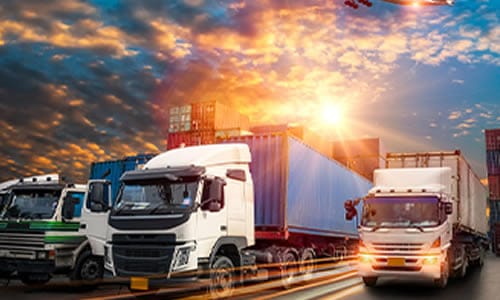
Our FCL service provides dedicated container space for large or continuous shipments. TJ Freight supervises loading in China, ensuring proper securing, weight balance, and compliance with international standards. Cargo reaches Lithuania through Baltic or EU ports before inland distribution. With structured documentation and milestone tracking, this service supports industries including electronics, machinery, furniture, textiles, and general consumer goods.
For smaller or multi-supplier shipments, LCL offers flexibility and competitive cost. TJ Freight manages consolidation, palletizing, labeling, and organized cargo separation. We coordinate sailing schedules, EU customs procedures, and final delivery across Lithuania’s retail and wholesale networks. Clear tracking ensures stable inventory flow for distributors and e-commerce operations.
Reliable supplier pickup across China with structured delivery throughout Lithuania.
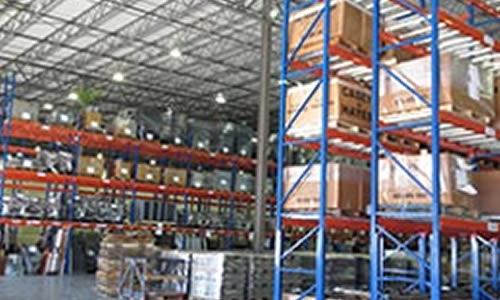
Secure EU-standard warehousing for consolidation, staging, and temporary storage.
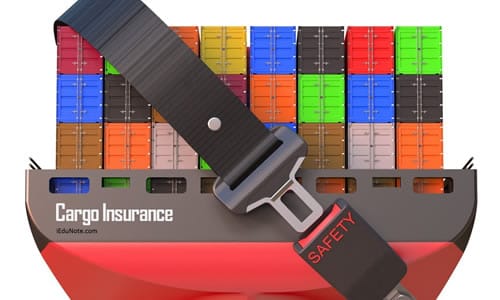
Coverage suitable for long-distance, multimodal, and high-value shipments.

Accurate export documentation and support for EU-compliant import processes.
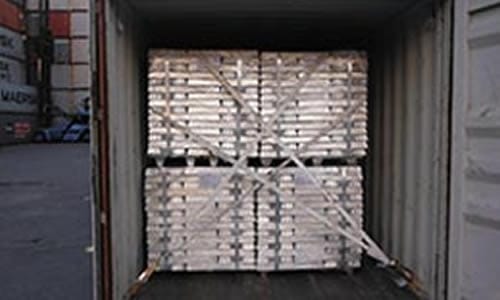
On-site supervision ensuring proper packaging, labeling, and container safety.
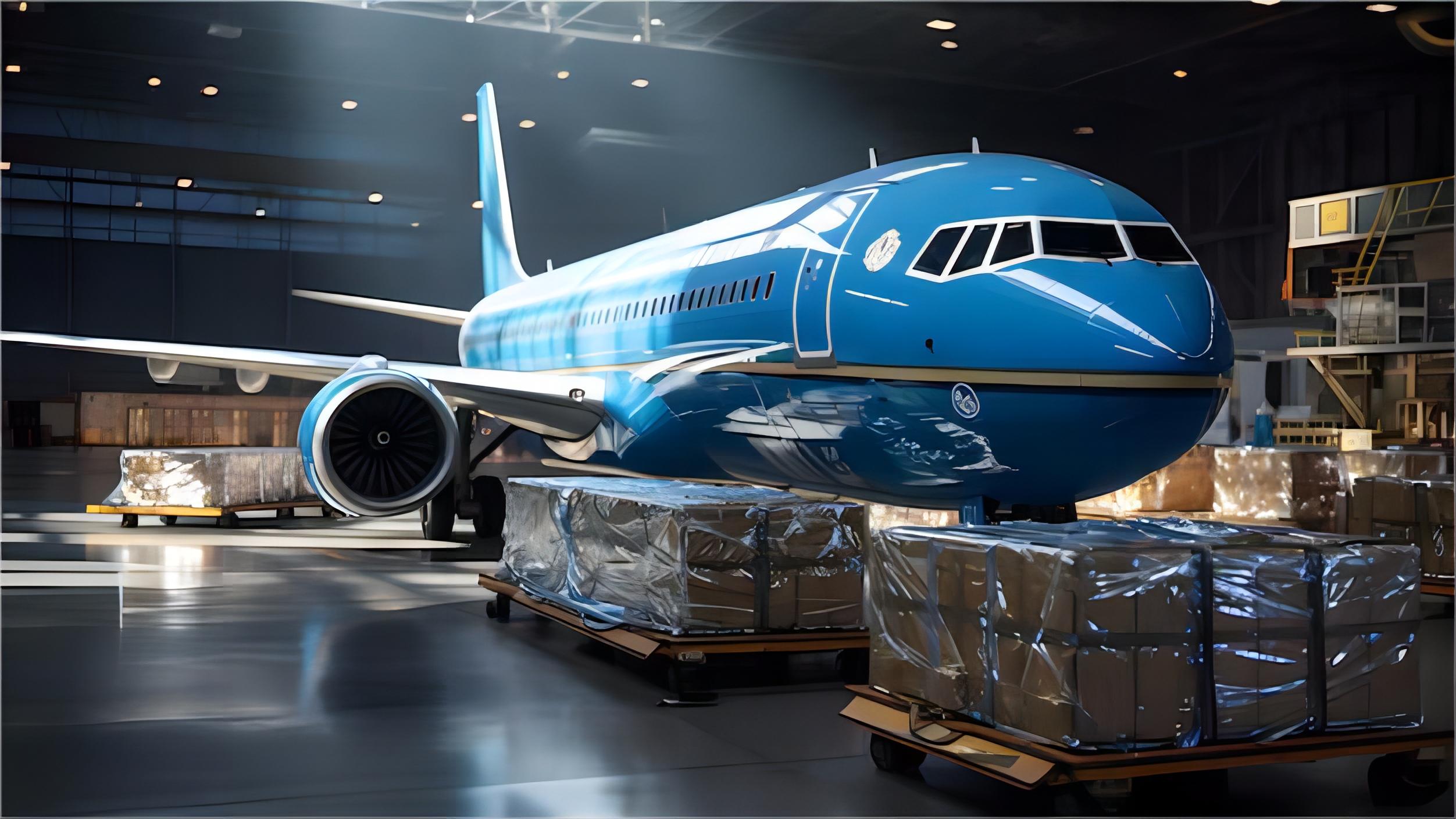
Air freight to Vilnius Airport typically takes 5–7 days via carriers like Lufthansa or Turkish Airlines. This option is best for high-value goods or urgent orders, with prices starting at $2.28–$10.50 per kg.
Mandatory documents include a commercial invoice, packing list, Bill of Lading/Air Waybill, and a Certificate of Origin (Form E). Electronics must have CE certification, while food/medical goods require approval from Lithuania’s State Food and Veterinary Service.
Partner with a freight forwarder to pre-clear goods through EU customs. Ensure accurate HS coding and compliance with EU safety standards (e.g., RoHS for electronics). Declare goods truthfully to avoid penalties.
Lithuania applies a 5% import duty on most goods (excluding food/medical items) and a 21% VAT on the CIF value (cost + insurance + freight). Luxury items like jewelry may face higher duties (up to 30%).
Yes! LCL (Less-than-Container Load) sea freight allows consolidation of goods from different suppliers, reducing costs. Rates start at $890 per cubic meter, ideal for e-commerce sellers or small businesses.
Rail offers a balance of speed (18–22 days) and cost, with routes connecting China to Vilnius/Kaunas via Belarus. It’s ideal for electronics or automotive parts, with climate-controlled options and duty-free transit through EU zones.
Reputable forwarders provide real-time tracking via blockchain or GPS. For air/rail freight, use IATA’s Cargo 2000 standards or railway-specific tracking systems for end-to-end visibility.
Door-to-door services cover China pickup, international transport, EU customs clearance (DDP option available), and local delivery to addresses in Vilnius, Kaunas, or Klaipėda. Some providers include free 14-day storage in China.
Look for companies with EU customs expertise, local agents in Vilnius, and experience handling Lithuania’s key imports (e.g., crude oil, machinery). Check certifications like IATA for air freight and ensure they offer specialized services like temperature-controlled logistics for pharma goods.
Operations deal with the way the vehicles are operated, and the procedures set for this purpose, and policies. In the transport industry, operat ions and ownership of infrastructure can be either country.