TJ Freight provides reliable FCL and LCL ocean freight via Spain’s major ports, including Valencia, Barcelona, Bilbao, and Algeciras, as well as nearby EU ports when needed. We manage container loading, export documentation, sailing schedules, and inland transport to ensure cost-effective and consistent maritime delivery.
For urgent or high-value shipments, air freight into Madrid, Barcelona, or Bilbao airports ensures fast and secure delivery. TJ Freight handles export compliance, flight routing, and cargo handling to meet time-sensitive import requirements.
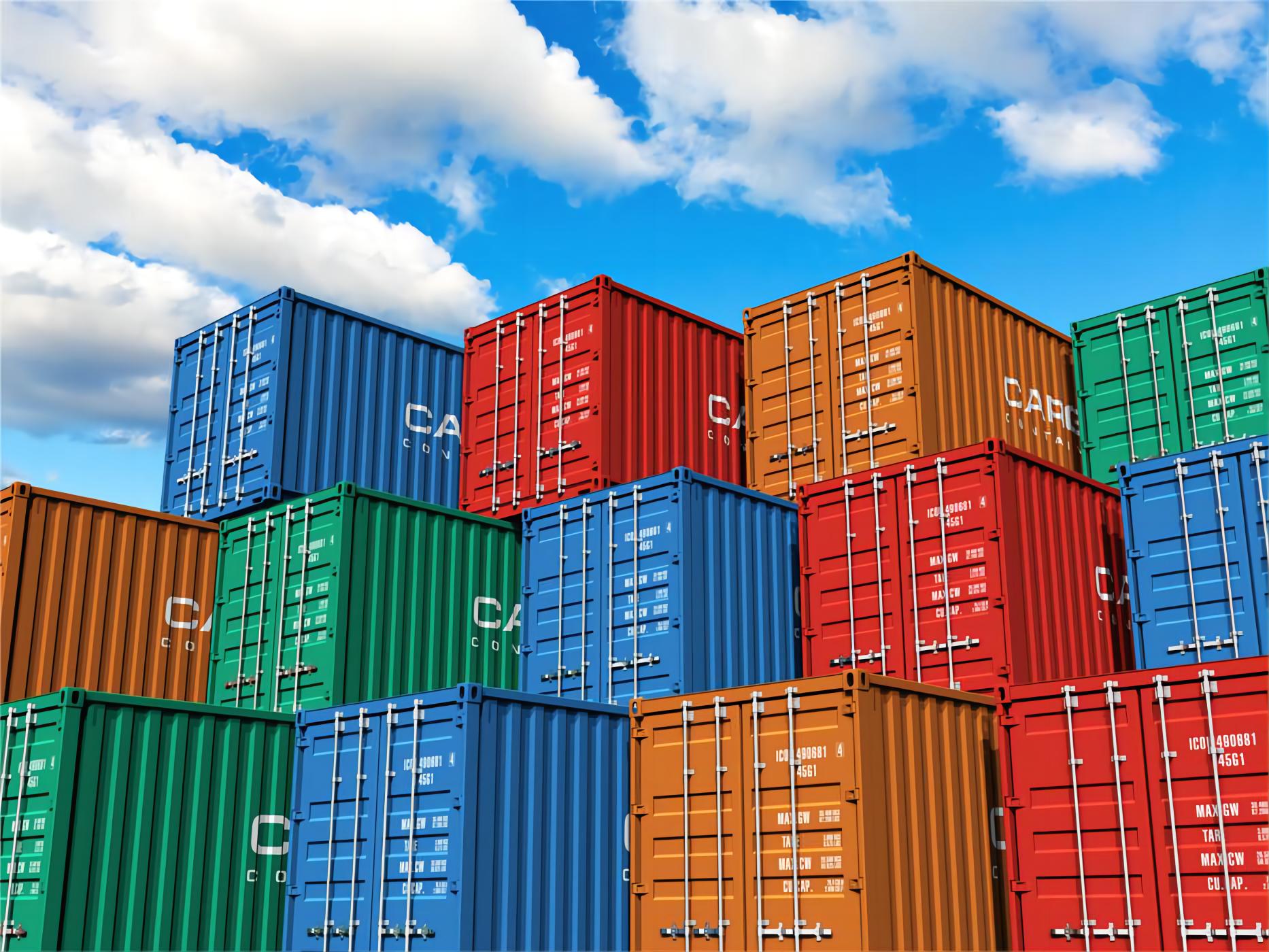
TJ Freight provides reliable rail freight solutions from China to Spain, combining China–Europe rail corridors with onward inland transport. Cargo is booked, exported, and shipped via EU rail hubs, then delivered to major Spanish cities such as Madrid, Barcelona, Valencia, and Bilbao. We manage export compliance, customs procedures, and intermodal transfers to ensure cost-efficient, timely, and secure delivery for both FCL and LCL shipments.

Our FCL service provides dedicated container space for large shipments. TJ Freight supervises container loading in China, ensuring proper fastening, weight balance, and international compliance. Cargo enters through Spanish or nearby EU ports before inland delivery. With structured documentation and milestone tracking, FCL shipping supports industries such as electronics, machinery, textiles, construction materials, and consumer goods.
For smaller or multi-supplier shipments, LCL offers flexibility and cost efficiency. TJ Freight manages consolidation, palletizing, labeling, and structured separation. We coordinate ocean schedules, customs procedures, and final delivery into Spain’s distribution network. Real-time tracking ensures smooth inventory flow for wholesalers, retailers, and e-commerce operators.
Organized supplier pickup in China with reliable delivery throughout Spain.
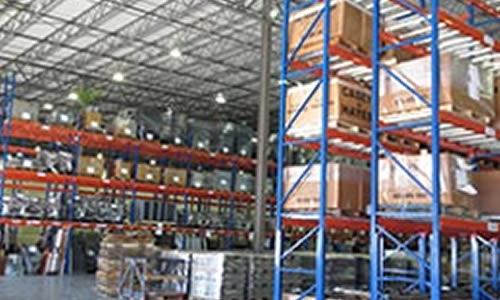
Secure EU-standard warehousing for staging, consolidation, and storage.
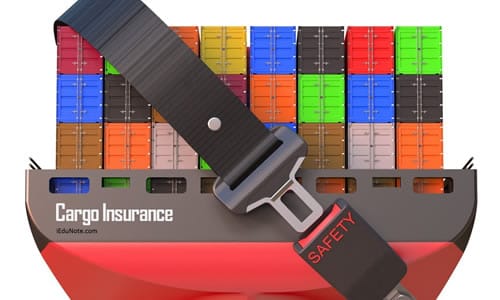
Coverage suitable for long-distance, multimodal, and high-value shipments.

Accurate export documentation and full support for Spain’s import compliance.
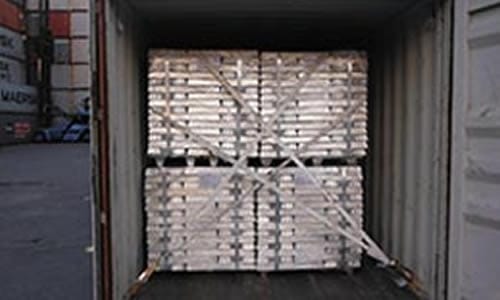
Professional supervision ensuring proper packaging, labeling, and container safety.

Spain imports significant volumes of machinery, electronics, textiles, and automotive parts from China. High-demand sectors include renewable energy equipment (e.g., solar panels) and consumer goods like appliances.
Spain applies EU Common External Tariffs (CET) averaging 11–14%, plus a 21% VAT. Use DDP (Delivered Duty Paid) services to pre-pay taxes and avoid delays. Tariffs vary by product category (e.g., EV batteries vs. textiles).
All goods require CE marking for safety and compliance. Pharmaceuticals need ANMAT approval, while food products must adhere to EU hygiene standards. Partner with logistics providers familiar with Mercosur regulations for exports to Latin America via Spain.
Ensure complete documentation (commercial invoices, packing lists, certificates of origin) and work with local agents for pre-clearance. Monitor EU regulatory updates to avoid last-minute issues.
Spanish exports are booming in olive oil, citrus fruits, and high-end textiles. The automotive sector (e.g., Nissan, SEAT) and renewable energy technologies also offer strong growth potential.
Spain’s e-commerce market (15% annual growth) demands efficient last-mile delivery to cities like Madrid and Barcelona. Local storage solutions and reverse logistics (for returns) are critical for success.
Use hedging strategies for large orders to offset EUR fluctuations. Partner with logistics providers offering integrated financial solutions.
Ports like Barcelona and Valencia serve as gateways to Europe and Africa. Leverage their connectivity for distributing goods across the Mediterranean region.
Operations deal with the way the vehicles are operated, and the procedures set for this purpose, and policies. In the transport industry, operat ions and ownership of infrastructure can be either country.