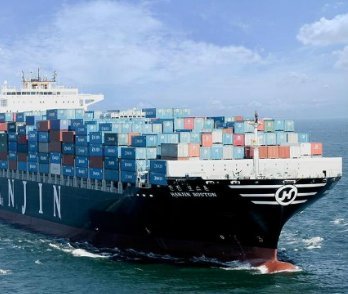
TJ Freight provides reliable FCL and LCL ocean freight via Japan’s major ports, including Tokyo, Yokohama, Osaka, and Nagoya. We handle container loading, export documentation, sailing schedules, and inland distribution to ensure cost-effective and consistent maritime logistics.
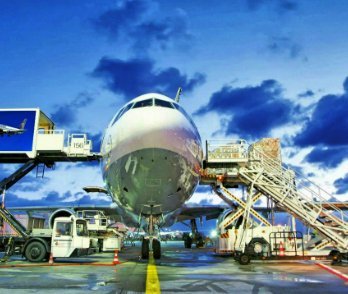
For urgent or high-value shipments, air freight into Narita, Haneda, Kansai, or Chubu Centrair airports ensures fast and secure delivery. TJ Freight manages export compliance, flight routing, and cargo handling to meet time-sensitive import requirements.

TJ Freight offers full door-to-door shipping from China to Japan, covering supplier pickup, export clearance, international transport, and final delivery. Sea, air, and inland transport options are coordinated to ensure secure cargo handling, on-time delivery, and complete shipment visibility.

Our FCL service provides dedicated container space for large shipments. TJ Freight supervises container loading in China, ensuring proper fastening, weight balance, and compliance with international standards. Cargo enters Japanese ports before inland delivery. Structured documentation and milestone tracking support industries including electronics, machinery, automotive parts, consumer goods, and textiles.
For smaller or multi-supplier shipments, LCL offers flexibility and cost efficiency. TJ Freight manages consolidation, palletizing, labeling, and structured separation. We coordinate ocean schedules, customs procedures, and final delivery into Japan’s distribution network. Real-time tracking ensures smooth inventory flow for wholesalers, retailers, and e-commerce operators.
Organized supplier pickup in China with reliable delivery throughout Japan.
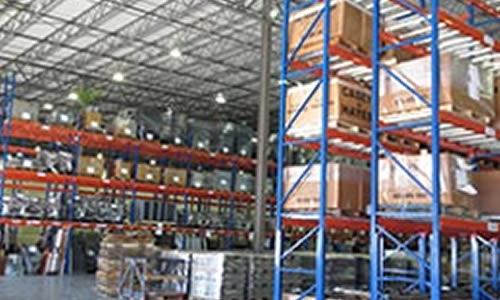
Secure staging and consolidation services for smooth transshipment.
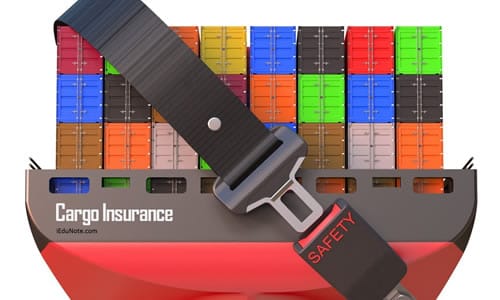
Coverage suitable for long-distance, multimodal, and high-value shipments.

Accurate export documentation and full Japan customs support.
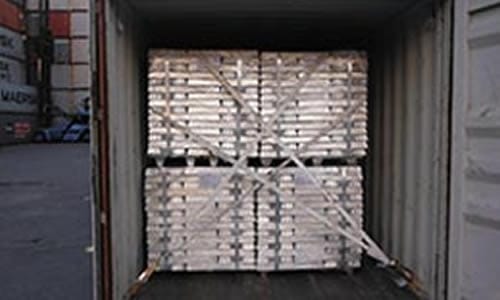
Professional supervision ensuring proper packaging, labeling, and container safety.
The most common shipping methods from China to Japan are sea freight and air freight. Sea freight is cost-effective for larger shipments and typically takes 4 to 8 days. Air freight, although more expensive, is faster, with delivery times ranging from 1 to 3 days. Each method has its advantages depending on the urgency and volume of the shipment.
Customs procedures can significantly affect shipping time from China to Japan. Proper documentation and compliance with both countries' regulations are crucial for smooth clearance. Delays in customs inspections, missing paperwork, or non-compliance can extend the shipping time. Working with experienced freight forwarders can help streamline this process.
Several factors influence the cost of shipping from China to Japan, including the shipping method (air or sea), the weight and volume of the shipment, and the distance between ports. Additional costs may include insurance, customs fees, and handling charges. Choosing the right freight forwarder can help optimize costs based on your specific needs.
Yes, shipping from China to Japan can be tracked. Most freight forwarders and carriers provide tracking services that allow you to monitor your shipment's progress in real time. This helps you stay informed about its location and estimated delivery time, enhancing transparency and allowing for prompt action if issues arise.
Air freight offers several advantages over sea freight, including faster delivery times, typically ranging from 1 to 3 days compared to 4 to 8 days by sea. It also reduces the risk of damage and theft due to less handling and transit time. However, air freight is more expensive, so it's ideal for urgent or high-value shipments.
The size and weight of a shipment can impact delivery time. Larger and heavier shipments may require more time for handling and transport, especially by air. Sea freight can accommodate larger volumes but might have longer transit times. For faster delivery, consider using air freight for smaller or urgent shipments.
If your shipment is delayed, first check the tracking information provided by your freight forwarder or carrier. Contact them to understand the reason for the delay and get updated estimates for delivery. Ensuring that all customs documentation and shipping instructions are accurate can also help resolve issues promptly.
To minimize shipping costs, consider consolidating shipments to reduce volume and weight, choose sea freight for non-urgent deliveries, and negotiate rates with your freight forwarder. Additionally, accurate documentation and avoiding last-minute changes can help prevent additional fees and charges.
Customs fees for shipping from China to Japan vary based on the value and nature of the goods. Fees can include import duties, taxes, and handling charges. To get an accurate estimate, consult with your freight forwarder or customs broker, who can provide detailed information based on your specific shipment.
Required documentation for shipping goods from China to Japan includes a commercial invoice, packing list, bill of lading or air waybill, and any necessary certificates of origin or compliance. Ensuring that all documents are complete and accurate helps facilitate smooth customs clearance and avoids delays.
Operations deal with the way the vehicles are operated, and the procedures set for this purpose, and policies. In the transport industry, operat ions and ownership of infrastructure can be either country.