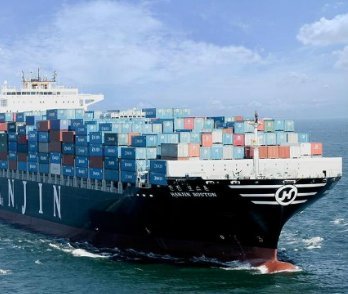
Shipping cargo from China to Vietnam requires seamless coordination across sea, air, and inland transport networks to navigate customs regulations and reach bustling industrial hubs. Partnering with TJ Freight, businesses receive tailored logistics solutions ensuring secure handling, timely delivery, and full visibility from China’s factories to Ho Chi Minh City, Hanoi, Da Nang, Hai Phong, and other key economic zones. Every shipment is optimized for efficiency, regulatory compliance, and reliable transit times.
TJ Freight offers dependable FCL and LCL ocean freight services to Vietnam’s major ports, including Ho Chi Minh City (Saigon), Hai Phong, and Da Nang. Container loading, documentation, sailing schedules, and inland trucking are managed end-to-end, ensuring smooth, cost-effective delivery.
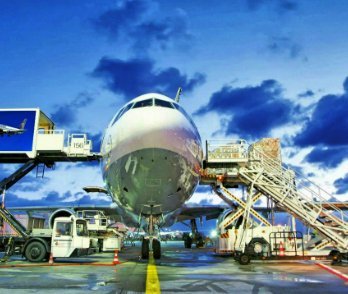
For urgent or high-value shipments, air freight into Tan Son Nhat Airport (Ho Chi Minh City), Noi Bai Airport (Hanoi), and Da Nang Airport ensures fast, secure delivery. TJ Freight handles routing, export compliance, and cargo management to meet strict deadlines.

Complete door-to-door services include supplier pickup in China, export clearance, international shipping, and final delivery across Vietnam. All transport modes are coordinated for secure handling, predictable transit, and timely arrival at warehouses, factories, or retail hubs.
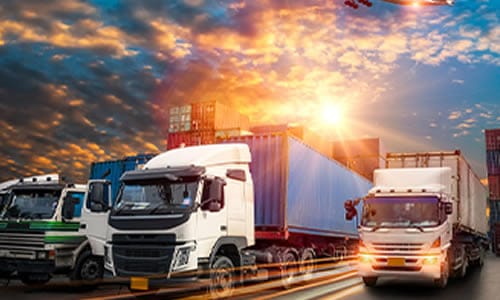
Full Container Load (FCL) services are ideal for large shipments requiring dedicated container space. TJ Freight supervises container loading in China, ensuring proper fastening, weight distribution, and compliance with international shipping standards. Containers are carefully monitored during transit to prevent damage and maintain cargo integrity. FCL services are particularly suited for electronics, textiles, machinery, furniture, and consumer goods. Our team coordinates port operations, documentation, and inland transport in Vietnam to guarantee predictable transit and smooth delivery.
Less than Container Load (LCL) services provide flexibility and cost efficiency for smaller shipments. TJ Freight consolidates multiple consignments into a single container, palletizes and labels goods for smooth customs clearance, and coordinates schedules to minimize delays. Real-time tracking allows businesses to maintain full visibility from China to Vietnam. LCL is ideal for small batches, mixed cargo, or high-value goods requiring careful handling without incurring the cost of a full container.
Organized supplier pickup in China with delivery across Vietnam.
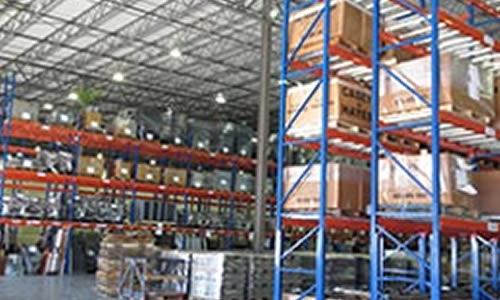
Secure staging and consolidation for smooth transshipment.
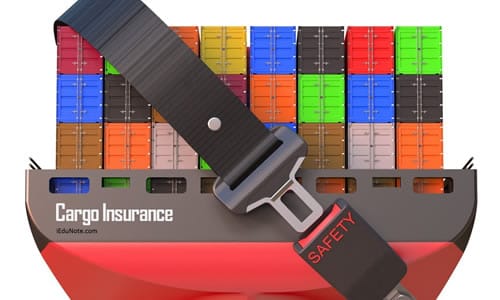
Multimodal coverage for sea, air, and inland transport.
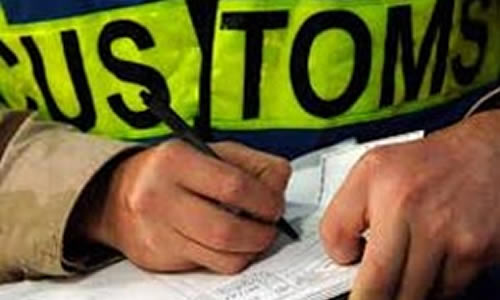
Supervision to ensure proper packaging, labeling, and container safety.
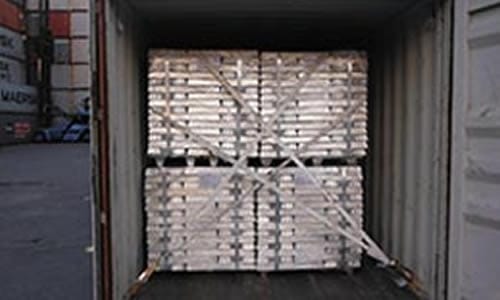
Complete documentation and compliance support for Vietnam import regulations.
Shipping times from China to Vietnam are influenced by transport mode (sea or air), route efficiency, port congestion, customs clearance, and weather conditions. Sea freight generally takes longer due to slower transit times and potential delays at ports, while air freight is quicker but more costly.
To track a shipment from China to Vietnam, use the tracking number provided by your freight forwarder or carrier. Many companies offer online tracking systems on their websites or through mobile apps. This allows you to monitor the status and location of your cargo in real time.
Major shipping routes from China to Vietnam include the route from Shanghai or Shenzhen to Ho Chi Minh City or Hai Phong. These routes are commonly used for both sea and air freight, with shipping lines and airlines offering various schedules based on demand and efficiency.
When shipping to Vietnam, ensure compliance with local customs regulations, including accurate documentation, proper classification of goods, and adherence to import duties and taxes. Customs regulations in Vietnam may include specific requirements for permits and certifications depending on the type of goods.
Common cargo types shipped from China to Vietnam include electronics, textiles, machinery, and consumer goods. Both countries engage in extensive trade of manufactured products, raw materials, and industrial equipment, reflecting the strong economic ties between them.
Packaging requirements for shipping to Vietnam include ensuring that goods are properly secured to prevent damage during transit. Specific packaging standards may apply based on the type of product and its sensitivity. For example, fragile items should be padded, and hazardous materials must be packaged according to international regulations.
Sea freight is generally more cost-effective than air freight, primarily due to lower transportation costs. However, it takes longer. Air freight, while faster, is more expensive and is often chosen for high-value or time-sensitive shipments. The choice depends on the urgency and budget for the shipment.
To manage shipping delays, communicate promptly with your freight forwarder or carrier to understand the cause of the delay and potential resolution. Monitoring the shipment’s progress through tracking systems and adjusting your delivery plans accordingly can help mitigate the impact of delays.
Essential documentation for shipping includes a bill of lading, commercial invoice, packing list, and any required certificates or permits. Accurate and complete documentation is crucial for smooth customs clearance and to avoid potential delays or issues with the shipment.
To select the best freight forwarder, evaluate their experience, reputation, and customer service. Check their track record in handling shipments to Vietnam, their compliance with regulations, and their ability to provide reliable tracking and support throughout the shipping process.
Operations deal with the way the vehicles are operated, and the procedures set for this purpose, and policies. In the transport industry, operat ions and ownership of infrastructure can be either country.