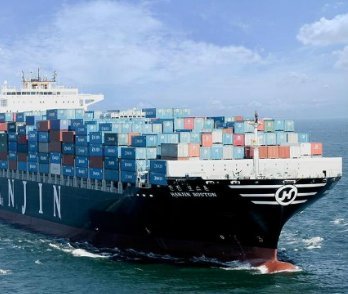
TJ Freight specializes in overland routes through border crossings such as Muse and Ruili. FCL and LCL shipments are fully managed, including container loading, export documentation, and inland distribution.
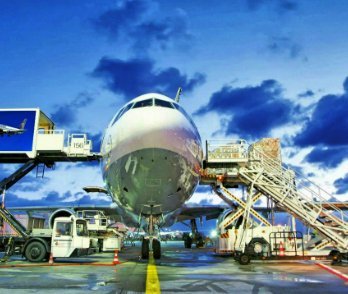
For maritime shipments, TJ Freight coordinates FCL and LCL services to Yangon and Thilawa ports. Container supervision, sailing schedules, and customs documentation are professionally handled to guarantee secure and timely arrival.

Our door-to-door services cover supplier pickup in China, export clearance, and final delivery anywhere in Myanmar. Sea and overland transport are fully integrated to provide a seamless shipping experience.
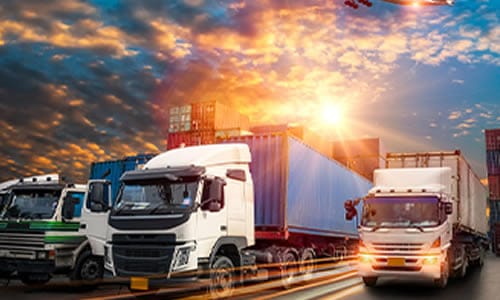
Full Container Load (FCL) is ideal for large shipments that require dedicated container space. TJ Freight supervises loading in China, ensuring proper fastening, weight distribution, and international compliance. FCL services suit machinery, electronics, textiles, and consumer goods, with inland transport coordinated for smooth delivery.
Less than Container Load (LCL) allows multiple smaller consignments to share a single container, optimizing cost without compromising safety. TJ Freight manages consolidation, palletizing, labeling, and customs clearance, with real-time tracking throughout transit.
Supplier pickup in China and secure delivery across Yangon, Mandalay, and other commercial centers.
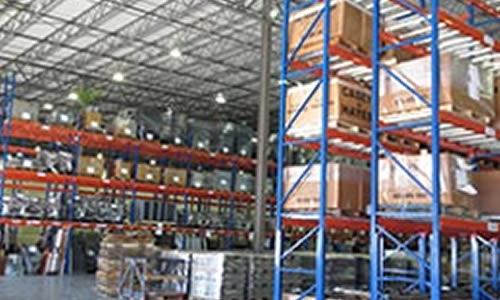
Temporary storage and consolidation solutions for smooth transit.
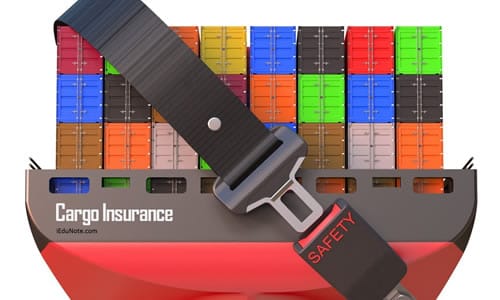
Protection for sea, overland, and multimodal transport.

Full documentation and compliance support for Myanmar customs.
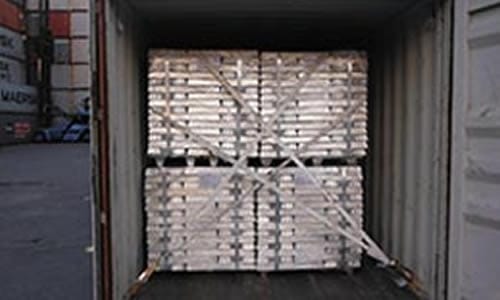
Supervised packaging and container management to prevent damage.
Shipping times from China to Myanmar are influenced by several factors including the mode of transport (air or sea), specific departure and arrival locations, customs processing times, and the efficiency of the freight forwarder. Air freight is generally faster but more expensive, while sea freight is cost-effective but slower. Customs procedures and handling can also impact delivery times.
To expedite shipments from China to Myanmar, consider using air freight instead of sea freight for faster delivery. Ensure all documentation is complete and accurate to avoid delays in customs. Work with experienced freight forwarders who offer express services and provide real-time tracking to monitor and manage your shipment effectively.
Major ports for shipping from China to Myanmar include the Port of Shanghai and the Port of Shenzhen in China, and the Port of Yangon in Myanmar. These ports are key for handling large volumes of cargo and offer various shipping options to accommodate different needs.
When shipping to Myanmar, be aware of customs regulations such as import duties, taxes, and documentation requirements. Ensure that your shipment complies with Myanmar’s import regulations, including proper classification of goods and adherence to local standards. Accurate and complete documentation can help prevent delays and additional costs.
Air freight is typically more expensive than sea freight but offers faster delivery times. For shipments to Myanmar, air freight is suitable for urgent or high-value goods, while sea freight is more cost-effective for larger or less time-sensitive shipments. Evaluate your priorities regarding speed versus cost to choose the best option.
Common challenges include customs clearance delays, varying regulations, and logistical issues such as port congestion. To mitigate these, ensure compliance with all regulations, provide complete documentation, and work with a reliable freight forwarder who can navigate potential issues effectively.
Required documentation typically includes a commercial invoice, packing list, bill of lading, and certificate of origin. Additional documents may be needed based on the nature of the goods and specific customs requirements. Proper documentation is crucial for smooth customs clearance and to avoid delays.
To track your shipment, use the tracking services provided by your freight forwarder or carrier. Most forwarders offer online tracking tools that provide real-time updates on the status and location of your shipment. Regularly check these updates to stay informed about your shipment’s progress.
Freight forwarders offer expertise in managing logistics, customs clearance, and transportation. They can help streamline the shipping process, handle complex documentation, and provide advice on the most efficient and cost-effective shipping options. Their services reduce the risk of delays and ensure compliance with regulations.
If your shipment is delayed or lost, first contact your freight forwarder or carrier for an update and possible resolution. They can provide information on the status and assist in locating or expediting the shipment. Additionally, check the insurance coverage to claim compensation if necessary and review the situation to prevent future occurrences.
Operations deal with the way the vehicles are operated, and the procedures set for this purpose, and policies. In the transport industry, operat ions and ownership of infrastructure can be either country.