TJ Freight provides reliable FCL and LCL ocean freight via Pakistan’s primary ports, including Karachi, Port Qasim, and Gwadar. Our team manages container loading, weight balancing, and secure packing in China to ensure cargo integrity. Export documentation, sailing schedules, and port coordination are handled end-to-end, while inland trucking ensures smooth delivery from ports to warehouses, industrial zones, and commercial hubs.

For urgent or high-value shipments, TJ Freight organizes air freight via Jinnah International Airport in Karachi, Allama Iqbal International Airport in Lahore, and Islamabad International Airport. We handle flight bookings, export clearance, cargo consolidation, and secure handling to guarantee timely delivery. Air freight options are ideal for electronics, perishable goods, and priority orders requiring rapid customs processing.
Our door-to-door service covers every step of the shipment journey, from supplier pickup in China to final delivery in Pakistan. TJ Freight coordinates international shipping, export and import clearance, and inland transport to urban and industrial centers. This service provides end-to-end tracking, reducing delays and ensuring predictable delivery schedules for all cargo sizes.

Full Container Load (FCL) services are ideal for large shipments. TJ Freight supervises container loading in China, ensuring goods are properly secured, weight-balanced, and compliant with international shipping standards. Containers arrive at Karachi, Port Qasim, or Gwadar before inland delivery. FCL services are particularly suited for textiles, garments, machinery, electronics, and consumer goods, providing predictable transit times and reduced handling risk.
Less than Container Load (LCL) services are perfect for smaller shipments or multi-supplier consolidation. TJ Freight handles palletizing, labeling, and cargo separation for smooth customs clearance and inland delivery. We coordinate ocean schedules, port handling, and final delivery across Pakistan. Real-time tracking ensures inventory flow remains transparent for wholesalers, retailers, and e-commerce operations, reducing operational uncertainties.
Organized pickup in China and reliable delivery to major Pakistani cities and industrial hubs.
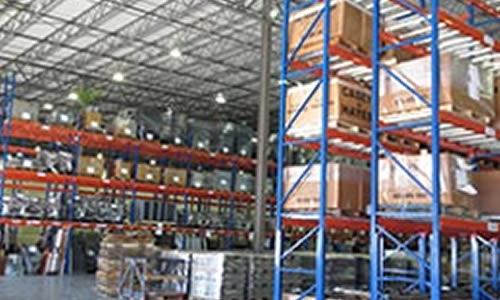
Secure storage for staging, consolidation, and temporary holding of cargo.
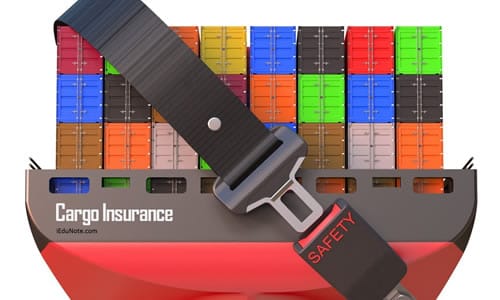
Comprehensive coverage for sea, air, and inland shipments.

Supervision of packaging, labeling, and container safety to protect cargo.
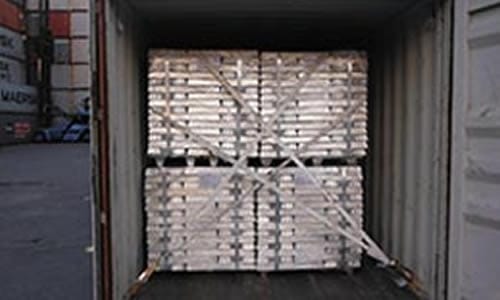
Accurate documentation and compliance support for smooth Pakistan import clearance.
Certain goods (e.g., machinery, medical equipment) may qualify for duty exemptions under SRO (Statutory Regulatory Order) notifications. Check Pakistan's Federal Board of Revenue (FBR) website for eligibility criteria.
You can track your shipment using tracking numbers provided by your freight forwarder or courier service. Most companies offer online tracking tools that provide real-time updates on the location and status of your shipment.
The common shipping methods include air freight, sea freight, and express courier services. Air freight is faster but more expensive, while sea freight is cost-effective for larger shipments. Express services offer quick delivery for urgent needs.
Use ePacket or AliExpress Standard Shipping for packages under 2kg, with rates starting at $5–$10 and delivery in 15–25 days. Ideal for e-commerce sellers.
Yes. All electronic devices (phones, laptops) require Pakistan Telecommunication Authority (PTA) certification. Submit IMEI/serial numbers for clearance.
Use sea freight LCL for bulk orders (transit 20–25 days) or air freight for urgent restocks. Ensure compliance with PSQCA textile standards.
The best time to ship depends on your needs and the type of goods. For urgent shipments, air freight or express services are preferable. For non-urgent items, consider shipping during off-peak seasons to potentially lower costs.
To ensure safety, use reliable packaging, secure insurance coverage, and choose reputable freight forwarders. Employ tracking technology and implement security measures to protect against loss or damage.
If delayed, contact your freight forwarder or courier for updates and solutions. Check the tracking information, verify with customs if there are any hold-ups, and consider alternative arrangements if needed.
Ensure all required documents are accurate and complete, including commercial invoices and packing lists. Work with your freight forwarder to navigate the customs clearance process and address any issues that may arise.
Operations deal with the way the vehicles are operated, and the procedures set for this purpose, and policies. In the transport industry, operat ions and ownership of infrastructure can be either country.