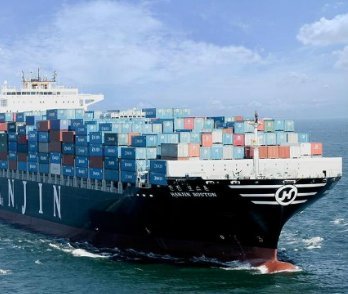
TJ Freight manages FCL and LCL ocean freight to Lebanon’s main ports, including Port of Beirut and Tripoli Port. Our services include container loading supervision, sailing coordination, and inland trucking to warehouses and commercial centers.
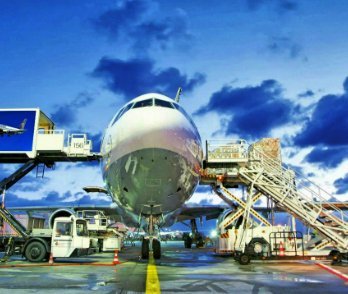
Air freight into Beirut Rafic Hariri International Airport ensures quick delivery for urgent or high-value shipments. TJ Freight oversees flight planning, customs compliance, and secure cargo handling.

TJ Freight’s door-to-door services include supplier pickup in China, export clearance, and final delivery anywhere in Lebanon. Sea and air freight are fully integrated to provide a seamless shipping experience.

Full Container Load (FCL) services provide exclusive use of a container for high-volume shipments. TJ Freight ensures secure packaging, proper weight distribution, and compliance with international standards. FCL is suitable for machinery, electronics, textiles, and consumer goods. Coordinated port operations and inland delivery ensure smooth transit to Beirut and Tripoli warehouses or industrial zones.
Less than Container Load (LCL) allows smaller consignments to share a single container efficiently. TJ Freight manages consolidation, palletizing, labeling, and customs clearance while providing real-time tracking. LCL is perfect for small batches, mixed cargo, or high-value goods needing careful handling without paying for a full container.
Supplier pickup in China with secure delivery to Beirut, Tripoli, and other regions.
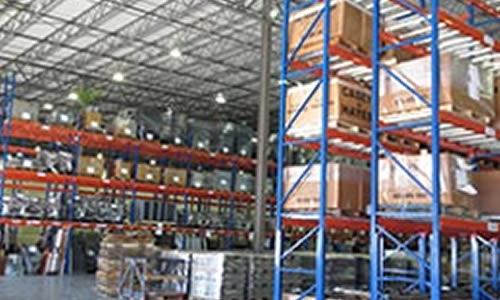
Flexible storage and consolidation for smoother logistics.
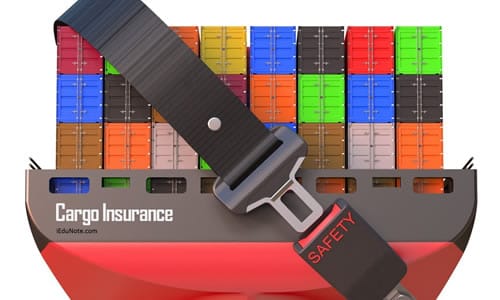
Protection covering sea, air, and inland transport.

Full documentation and regulatory support for Lebanese customs.
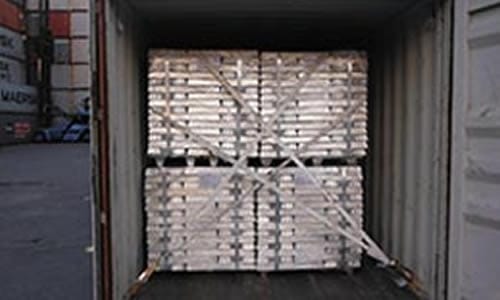
Supervised packaging and container handling for maximum safety.
Several factors impact shipping time from China to Lebanon. These include the chosen shipping method (air or sea), the specific route taken, customs processing times, and any potential delays in transit. Air freight is generally faster, taking 7-10 days, while sea freight may take 20-30 days. Additionally, factors such as port congestion and weather conditions can also affect shipping duration.
To expedite shipping, consider using air freight instead of sea freight. Choose express shipping options offered by carriers, which prioritize faster delivery. Ensure that all documentation is accurate and complete to avoid delays in customs. Working with a reliable freight forwarder who specializes in fast-tracked shipments can also help in reducing overall shipping time.
Shipping costs from China to Lebanon depend on the chosen method (air or sea), shipment weight, volume, and the urgency of delivery. Air freight is typically more expensive but faster, while sea freight is cost-effective for larger shipments but takes longer. Additional costs may include customs fees, insurance, and handling charges. It’s advisable to get a detailed quote from your freight forwarder.
Customs procedures can significantly impact shipping time. Delays may occur if documentation is incomplete or incorrect. Customs clearance involves checking goods, verifying documents, and assessing duties and taxes. Proper preparation, including accurate and complete documentation, can help minimize delays and ensure a smoother customs process.
Essential documents for shipping from China to Lebanon include the commercial invoice, packing list, bill of lading, and certificate of origin. Depending on the type of goods, additional documentation such as certificates of conformity or import permits may be required. Ensuring all documents are accurate and complete can help prevent delays and complications.
Yes, tracking is available for shipments from China to Lebanon. Most freight forwarders and carriers offer tracking services that allow you to monitor your shipment’s progress in real-time. This can help you stay informed about the location and status of your cargo, and promptly address any issues that arise during transit.
If your shipment is delayed, first check the tracking information provided by your carrier or freight forwarder for updates. Contact them for details on the delay and any actions being taken. Review all documentation to ensure it is complete and correct. If necessary, work with your forwarder to resolve any issues with customs or transit.
Shipping hazardous materials requires compliance with international regulations and additional precautions. Ensure you follow proper labeling, packaging, and documentation guidelines as specified by regulatory bodies. Work with a freight forwarder experienced in handling hazardous materials to ensure safe and compliant transport.
Proper preparation involves using suitable packaging materials to protect goods during transit. For fragile items, use adequate padding, and for heavy cargo, select robust containers. Ensure that goods are labeled correctly and that all documentation is complete. Working with a professional freight forwarder can also help ensure proper preparation.
Shipping schedules can change due to various factors, including seasonal demand, port congestion, and carrier availability. It’s important to regularly check with your freight forwarder for the most up-to-date schedule information. Additionally, unexpected delays such as weather conditions or operational issues may impact schedules.
Operations deal with the way the vehicles are operated, and the procedures set for this purpose, and policies. In the transport industry, operat ions and ownership of infrastructure can be either country.