
We coordinate stable sea freight services into the Port of Banjul, arranging container booking, routing, and transshipment management to ensure consistent cargo movement from China to Gambia.

For time-sensitive imports, our air freight services offer fast and efficient delivery into Banjul International Airport. We secure reliable airline capacity and manage priority handling for urgent or high-value goods.

Our door-to-door solution covers supplier pickup in China, export documentation, international transport, customs clearance, and final delivery anywhere across Gambia.

FCL shipping is ideal for businesses moving large or sensitive cargo requiring exclusive container space. We provide competitive 20GP, 40GP, and 40HQ rates and supervise loading to ensure safe and balanced packing. TJ Freight manages vessel schedules, export compliance, and routing into the Port of Banjul to ensure predictable, reliable shipment flow. This method minimizes handling, improves safety, and supports long-term supply chain efficiency.
Our LCL service supports importers moving smaller shipments or consolidating goods from multiple suppliers. We organize consolidation at key China hubs, arrange regular departures, and manage deconsolidation at destination. This approach helps businesses reduce costs while benefiting from stable transit times and professional oversight throughout the logistics chain.
Reliable and efficient pickup throughout China with coordinated inland transport.

Secure warehousing solutions for consolidation, staging, and temporary storage.

Comprehensive coverage protecting goods from loss or damage during transit.

Professional support for China export procedures and Gambia import regulations.
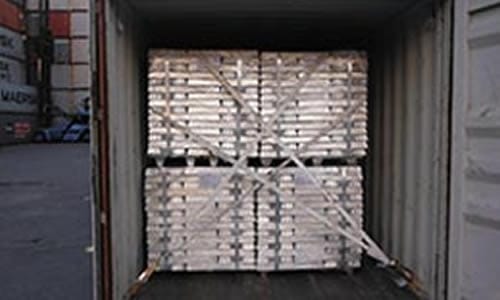
Careful supervision during container loading to ensure safe packing and proper cargo placement.
Typically, the transit time for sea freight from China to Gambia ranges from 35 to 45 days. This duration can vary based on factors such as weather conditions, port congestion, and the specific shipping route chosen. Air freight is much faster, generally taking 5 to 10 days, but it is more expensive. Choosing the appropriate shipping method is crucial for timely delivery.
The main factors affecting shipping time include weather conditions, port efficiency, shipping routes, cargo type, and the efficiency of the carrier. Adverse weather can delay voyages, while busy ports can cause congestion. The chosen shipping route and type of cargo also influence the transit time. Additionally, the carrier's performance plays a significant role in ensuring timely delivery.
Yes, air freight is a viable option for shipping from China to Gambia, especially for urgent shipments. It significantly reduces transit time to about 5 to 10 days. However, it is more expensive compared to sea freight. Air freight is ideal for high-value or time-sensitive goods. Businesses must weigh the cost against the urgency and value of their shipments when considering air freight.
Port congestion can significantly impact shipping times from China to Gambia. When ports are busy, ships may face delays in docking, unloading, and loading cargo, leading to extended transit times. Port congestion is often influenced by high shipping volumes, inadequate infrastructure, and administrative inefficiencies. Planning for potential delays and choosing less congested ports can help mitigate this issue.
Common shipping routes from China to Gambia typically pass through major international sea lanes, often including transshipment hubs like Singapore, Dubai, or Rotterdam. The specific route chosen can affect the overall transit time. Direct routes are faster but may be limited in availability, while indirect routes with transshipments might take longer but offer more flexibility.
Yes, there are seasonal variations in shipping times from China to Gambia. During peak shipping seasons, such as the months leading up to major holidays like Chinese New Year or Christmas, shipping volumes increase, leading to longer transit times. Adverse weather conditions, such as typhoons, can also cause seasonal delays. Planning shipments during off-peak times can help avoid these delays.
Customs procedures play a crucial role in the shipping time from China to Gambia. Efficient customs clearance can expedite the process, while delays in documentation, inspections, or compliance issues can prolong transit times. Both the exporting and importing countries' customs authorities must efficiently process the shipments to ensure timely delivery. Proper documentation and compliance with regulations are essential.
The type of cargo can significantly influence shipping time. Certain goods, such as hazardous materials or perishable items, require special handling and may be subject to additional regulations, leading to longer processing times. Bulky or oversized cargo may also face logistical challenges, impacting overall transit time. Understanding the specific requirements for different types of cargo is important for planning.
Businesses can ensure timely shipping from China to Gambia by selecting reliable carriers, planning shipments in advance, and avoiding peak seasons. Using air freight for urgent shipments, ensuring all documentation is in order, and maintaining good communication with suppliers and logistics providers are also effective strategies. Additionally, tracking shipments and choosing efficient routes can help mitigate delays.
Shipping insurance is vital for international shipments from China to Gambia. It protects against potential losses due to damage, theft, or other unforeseen events during transit. Given the long distances and various risks involved in international shipping, having insurance provides peace of mind and financial protection. Businesses should carefully assess their coverage needs and choose appropriate insurance policies to safeguard their shipments.
Operations deal with the way the vehicles are operated, and the procedures set for this purpose, and policies. In the transport industry, operat ions and ownership of infrastructure can be either country.