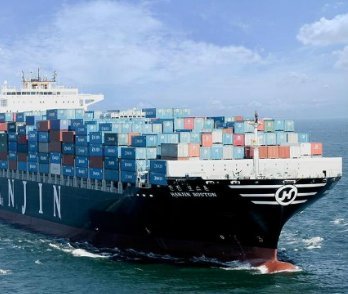
We offer reliable sea freight options to Malabo and Bata, coordinating container reservations, loading procedures, and all required documentation. Our team ensures steady sailings and smooth transshipment connections for secure cargo movement.
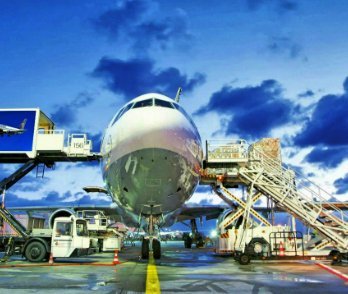
Our air freight solutions provide rapid delivery for urgent or high-value shipments headed to Malabo International Airport. We secure space with reputable airlines and prioritize handling to reduce delays and streamline clearance.

Our door-to-door service covers every step of the logistics chain—from pickup at China suppliers to export processes, global transport, customs coordination, and final delivery throughout Equatorial Guinea.

Full Container Load shipping offers dedicated space, higher cargo security, and predictable movement for importers transporting substantial volumes. We arrange competitive rates for 20GP, 40GP, and 40HQ containers and supervise every stage of loading to maintain accuracy and cargo protection. TJ Freight also manages vessel scheduling, documentation, and export compliance, ensuring that shipments move smoothly from China’s ports to Equatorial Guinea’s coastal terminals.
Our LCL consolidation service supports businesses importing smaller quantities or sourcing from multiple China suppliers. We consolidate goods at key China hubs, organize structured departures toward West and Central Africa, and manage efficient deconsolidation upon arrival. This solution optimizes logistics costs while maintaining stable transit times and professional handling at each stage.
Coordinated pickup across China paired with reliable inland transport.
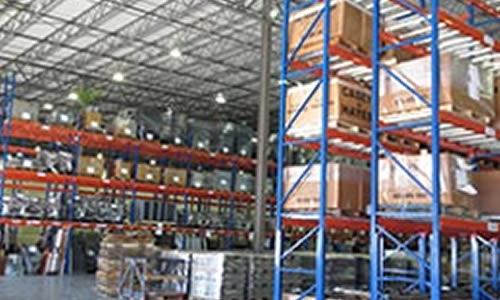
Flexible, secure warehousing options for cargo awaiting shipment or consolidation.
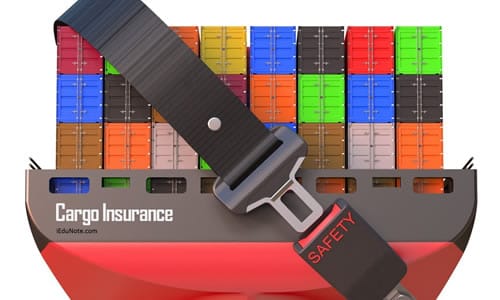
Comprehensive insurance coverage to safeguard goods from origin to destination.

Expert export and import documentation support for smooth customs processing.
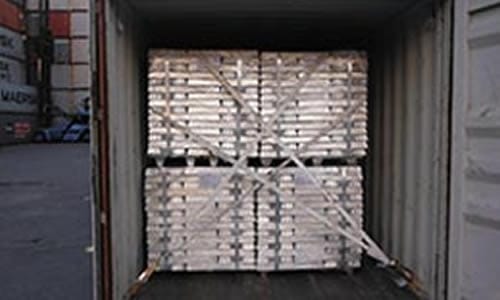
Detailed supervision during container loading to ensure safe packing and accurate weight distribution.
Shipping options include air freight, which is faster but more expensive, and sea freight, which is more cost-effective but slower. Air freight generally takes 7-14 days, while sea freight can take 20-35 days.
You can track your shipment using tracking numbers provided by your freight forwarder or shipping company. They offer online tracking services where you can monitor the progress of your shipment in real-time.
Customs requirements include providing a commercial invoice, packing list, and bill of lading. Ensure all documentation is accurate to avoid delays. Certain goods may also need additional permits or certifications.
Yes, shipping insurance is crucial to protect against loss, damage, or theft during transit. It provides financial coverage and peace of mind, especially for valuable or fragile items.
Shipping costs vary based on the weight, dimensions of the shipment, and chosen mode of transport. Air freight is more expensive compared to sea freight. It’s best to get quotes from multiple carriers for accurate pricing.
Yes, there are restrictions on certain goods such as hazardous materials, prohibited items, and perishable goods. Always check with the shipping company and customs regulations for specific restrictions.
To expedite shipping, use air freight services and choose express delivery options. Ensure all documentation is completed correctly to avoid delays. Working with a reliable freight forwarder can also help.
Reputable shipping companies for this route include DHL, FedEx, and Maersk. They offer various services and have experience handling shipments to Equatorial Guinea.
To avoid delays, ensure accurate and complete documentation, choose reliable shipping partners, and understand customs requirements. Proper packaging and labeling also help in smooth transit.
Contact your shipping company or freight forwarder immediately. They can provide information on the status of your shipment and assist with claims if it is lost. Having shipping insurance can also facilitate the claim process.
Operations deal with the way the vehicles are operated, and the procedures set for this purpose, and policies. In the transport industry, operat ions and ownership of infrastructure can be either country.