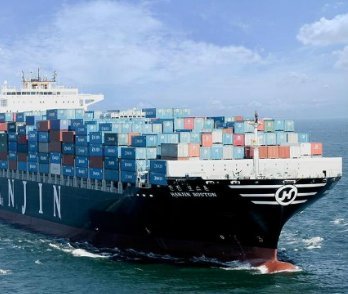
TJ Freight coordinates FCL and LCL ocean shipments to Walvis Bay and Lüderitz ports. Container loading, documentation, and inland distribution are fully managed for reliable and smooth transit.
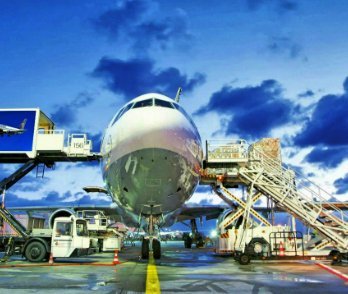
For urgent or high-value cargo, air freight into Hosea Kutako International Airport ensures fast and secure delivery. TJ Freight oversees flight scheduling, customs clearance, and cargo supervision.
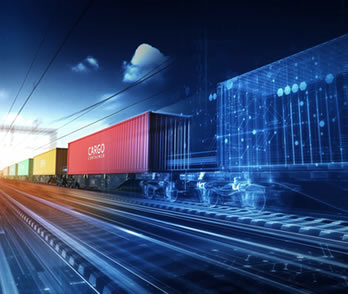
Our door-to-door service integrates supplier pickup in China, export clearance, and delivery anywhere in Namibia. Sea and air transport are fully coordinated for a seamless end-to-end logistics experience.
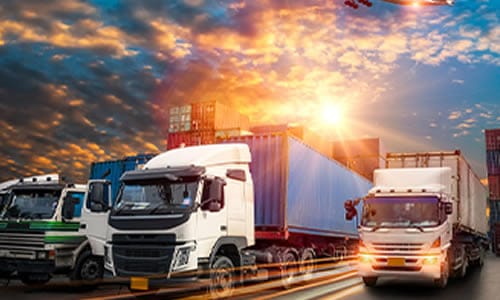
Full Container Load (FCL) provides dedicated container space for large-volume shipments. TJ Freight ensures secure packing, proper weight distribution, and international compliance. FCL is ideal for machinery, electronics, textiles, and consumer goods, with coordinated delivery to warehouses or distribution hubs across Namibia.
Less than Container Load (LCL) allows smaller consignments to share container space efficiently. TJ Freight manages consolidation, palletizing, labeling, and customs clearance with real-time tracking. LCL is suitable for small batches, mixed cargo, or high-value shipments requiring careful handling.
Supplier collection in China with secure transport to Walvis Bay, Lüderitz, Windhoek, and other key areas.
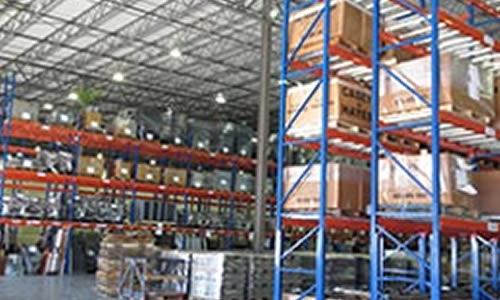
Temporary storage and consolidation for optimized logistics operations.
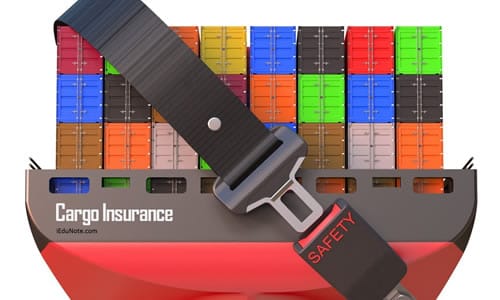
Full coverage for sea, air, and multimodal shipments.

Documentation and regulatory compliance support for Namibian authorities.
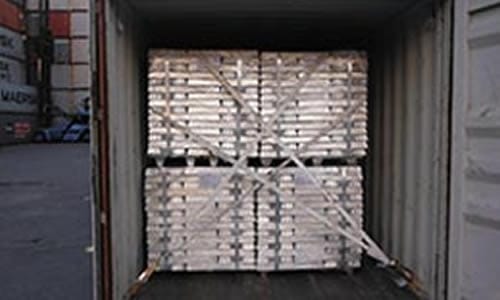
Professional oversight to maintain cargo integrity during loading and transit.
Shipping by sea from China to Namibia usually takes between 4 to 6 weeks. This duration can vary based on the specific port of departure in China and the destination port in Namibia. Factors such as weather conditions, port congestion, and shipping line schedules also impact the overall transit time.
Air freight shipments from China to Namibia generally take about 7 to 10 days. This is significantly faster than sea freight but can vary depending on the specific airports used, the availability of flights, and any customs processing time.
Yes, express shipping services such as those provided by courier companies like DHL, FedEx, and UPS can deliver packages from China to Namibia in approximately 3 to 5 days. These services prioritize speed and often include customs handling in their process.
To track a shipment, you can use the tracking number provided by your shipping company or courier. Enter this number on the carrier's website or app to get real-time updates on your shipment’s location and estimated delivery time.
Key factors affecting shipping time include the mode of transport (air or sea), the efficiency of the shipping company, the distance between departure and destination ports, customs clearance processes, and any potential delays due to weather or logistical issues.
Yes, shipping goods to Namibia from China requires compliance with Namibian customs regulations. This includes proper documentation such as invoices, packing lists, and potentially import permits, depending on the nature of the goods being imported.
If your shipment is delayed, first check the tracking information for updates. Contact the shipping company or courier service for more details and assistance. Additionally, ensure that all customs and documentation issues are resolved, as these can sometimes cause delays.
Sea freight is generally more cost-effective than air freight for shipments from China to Namibia. Air freight offers faster delivery but is significantly more expensive due to the higher costs of air transport and handling.
Risks include potential delays due to customs clearance, damage or loss of goods during transit, and fluctuations in shipping costs. Proper packaging and choosing a reliable shipping company can help mitigate some of these risks.
Yes, using a freight forwarder is a common practice for shipping from China to Namibia. Freight forwarders handle logistics, including booking cargo space, managing documentation, and coordinating with shipping lines, which can simplify the shipping process and potentially reduce costs.
Operations deal with the way the vehicles are operated, and the procedures set for this purpose, and policies. In the transport industry, operat ions and ownership of infrastructure can be either country.