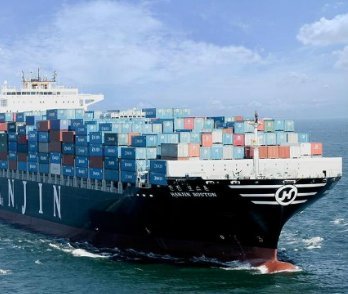
We provide secure sea freight services into Mogadishu, Bosaso, and Kismayo, handling carrier bookings, documentation, and container planning to ensure consistent, dependable routing from China to Somalia.
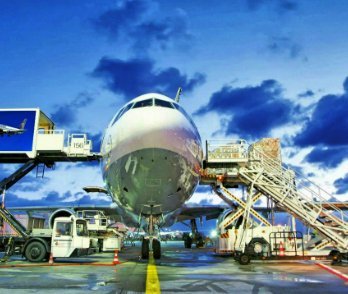
For urgent shipments, our air freight solutions offer fast transit into Mogadishu and Hargeisa. We secure stable space with trusted airlines and manage priority handling for cargo requiring accelerated delivery.

Our door-to-door service handles every step—pickup in China, export processes, international transportation, customs coordination, and final delivery—providing a seamless logistics experience across Somalia.
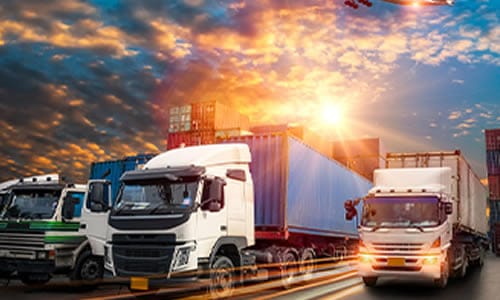
FCL shipping is ideal for businesses transporting large or sensitive loads requiring dedicated container space. We secure competitive rates for 20GP, 40GP, and 40HQ containers and oversee strict loading supervision to ensure safety and accuracy. TJ Freight also manages export documentation, vessel scheduling, and compliance requirements to maintain a steady, efficient shipping flow into Somalia’s main ports. This approach supports supply chain reliability while minimizing transit-related risks.
Our LCL service supports importers with smaller shipments or multi-supplier orders from China. We consolidate goods at major China hubs, provide organized warehousing, and coordinate scheduled departures toward East Africa. Upon arrival, shipments are deconsolidated efficiently and prepared for release or onward distribution. This option offers maximum flexibility and cost control without sacrificing transit stability or cargo protection.
Coordinated pickup across all China cities with dependable inland transport.
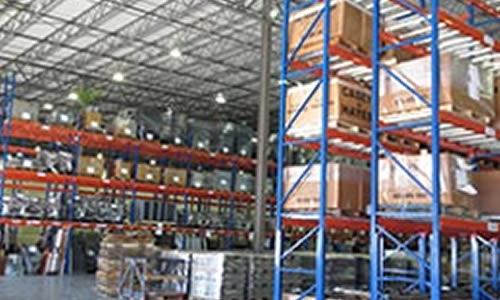
Secure storage solutions supporting consolidation, staging, and pre-shipment handling.
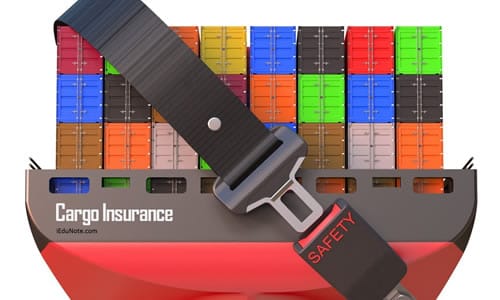
Complete protection against damage, loss, and unforeseen risks during transport.

We handle all paperwork and other details for you.
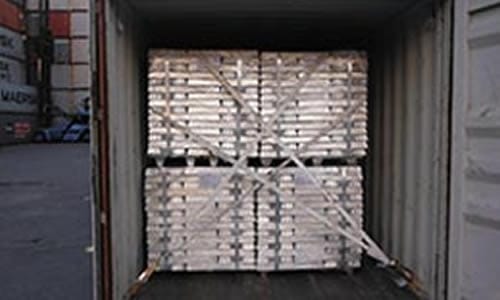
Detailed inspection during container loading to ensure proper packing and safe cargo placement.
Sea freight from China to Somalia typically takes between 4 and 6 weeks. This duration depends on the specific route, shipping company, and the efficiency of cargo handling. Weather conditions and port congestion can also affect the shipping time.
Air freight from China to Somalia generally takes about 7 to 14 days. This timeframe includes transportation, handling, and customs clearance. The exact duration can vary depending on flight schedules and other factors.
Yes, shipping times can be extended during holidays. During holiday periods, port and airport operations often slow down, and there may be additional delays in transportation and customs clearance.
Air freight is usually the fastest method, though it is more expensive. If time is critical and budget permits, air freight is the best option. Sea freight, while cheaper, takes longer.
Direct flights from China to Somalia are rare. Most shipments require a transfer at intermediate hubs such as Dubai or Nairobi. This can help reduce transit time and lower costs.
Shipping costs are generally based on the volume, weight of the cargo, the shipping method, and the destination port's fees. Sea freight is less expensive but takes longer, while air freight is more costly but faster.
To ensure cargo safety, choose a reputable logistics company and make sure the cargo is well-packaged. Consider insurance as well to protect against potential loss or damage during transit.
Customs clearance at Somali ports can be relatively complex and requires detailed documentation, including cargo lists, invoices, and other relevant papers. Preparing in advance and understanding local customs requirements can help reduce delays.
Yes, most logistics companies offer shipment tracking services. You can obtain real-time status updates and location information through the logistics company's website or customer service.
If you encounter issues or delays, contact the logistics company or freight forwarder immediately. Providing detailed shipment information and a description of the problem can help expedite the resolution process.
Operations deal with the way the vehicles are operated, and the procedures set for this purpose, and policies. In the transport industry, operat ions and ownership of infrastructure can be either country.