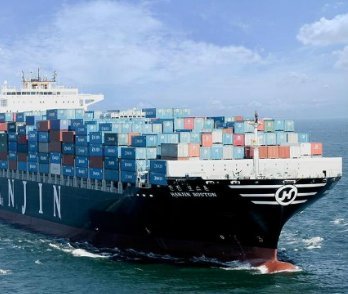
TJ Freight organizes FCL and LCL shipments via key border points such as Erenhot and Zamyn-Uud. We manage container loading, documentation, and overland transport to warehouses or industrial hubs.
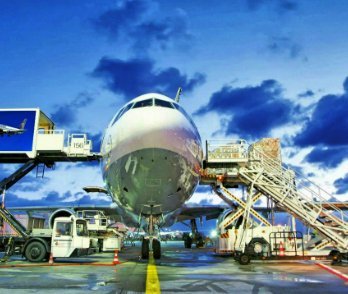
For high-value or urgent cargo, air freight into Chinggis Khaan International Airport allows fast and secure delivery. TJ Freight handles flight planning, customs documentation, and cargo handling to meet tight timelines.

Our door-to-door services cover supplier pickup in China, export clearance, and delivery anywhere in Mongolia. Land and air segments are coordinated to ensure seamless transit.
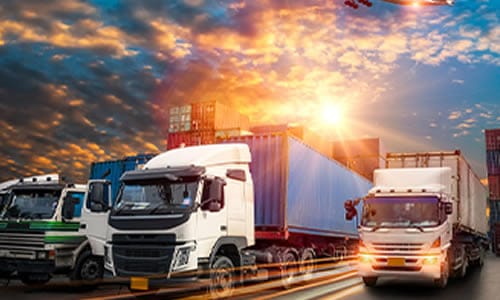
Full Container Load (FCL) services provide dedicated container space for large shipments. TJ Freight supervises loading in China, ensuring proper weight distribution, secure packing, and compliance with international standards. FCL is suitable for machinery, textiles, electronics, and consumer goods. Coordinated overland transport ensures smooth arrival in Mongolian warehouses or industrial zones.
Less than Container Load (LCL) allows multiple small consignments to share a container efficiently. TJ Freight handles consolidation, palletizing, labeling, and customs clearance, with real-time tracking throughout transit.
Supplier pickup in China and secure delivery across Ulaanbaatar, Darkhan, and other key locations.
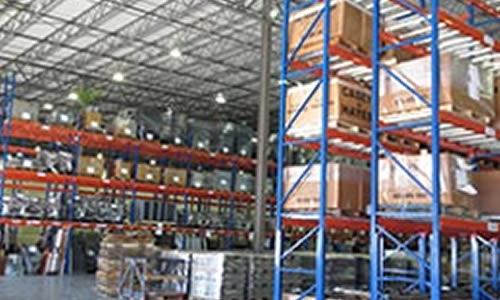
Temporary storage and consolidation for efficient distribution.
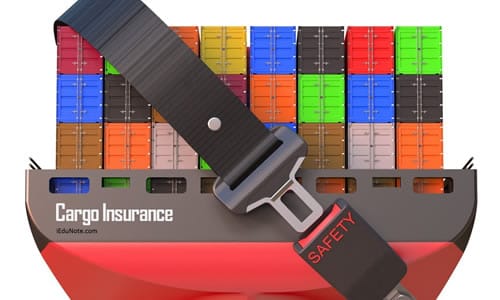
Coverage for multimodal transport including overland and air.

Complete documentation and regulatory support for Mongolian customs.
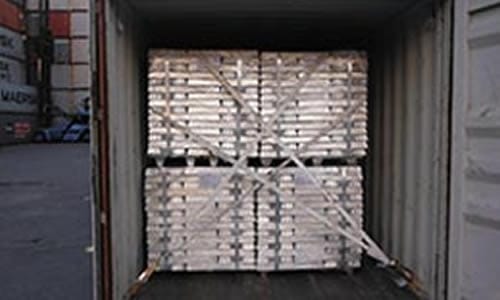
Supervised packaging and container management to protect cargo.
Shipping from China to Mongolia can face challenges such as harsh weather conditions, complex customs procedures, and potential transportation delays. Ensuring proper documentation, using robust packaging, and partnering with experienced freight forwarders can help mitigate these issues.
When choosing a freight forwarder for shipping to Mongolia, consider their experience, customer reviews, compliance with regulations, and safety protocols. A reputable forwarder will provide reliable services and have a track record of successful shipments to Mongolia.
For fragile items, use bubble wrap, foam padding, and sturdy boxes to prevent damage during transit. Ensure that items are well-secured within the packaging and consider using double-boxing for extra protection.
Real-time tracking technology allows you to monitor the progress of your shipments, providing updates on location and status. This helps in promptly addressing any issues that may arise and ensures better communication with all parties involved.
For high-value shipments, comprehensive insurance policies are available that cover risks such as loss, theft, and damage. It is important to review the coverage details and consider additional insurance for items that require special protection.
Key regulations include compliance with customs procedures, safety standards, and environmental regulations. Accurate and complete documentation is essential to avoid delays, fines, and other penalties during the shipping process.
To ensure the security of shipments, use sealed containers, secure storage facilities, and implement monitoring during loading and unloading. Additionally, work with freight forwarders who have strong security protocols in place.
Risk assessment helps identify potential hazards during transit, allowing for the development of contingency plans. This proactive approach minimizes the impact of adverse conditions or delays and ensures smoother shipping operations.
Personnel handling hazardous materials should receive training on safety procedures, proper handling techniques, and emergency response protocols. This ensures compliance with regulations and reduces the risk of accidents during transit.
Continuous improvement practices involve regularly evaluating and updating safety protocols based on feedback and industry developments. This leads to increased efficiency, reduced risks, and enhanced reliability in shipping operations.
Operations deal with the way the vehicles are operated, and the procedures set for this purpose, and policies. In the transport industry, operat ions and ownership of infrastructure can be either country.