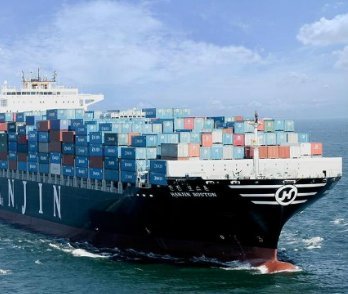
Shipping goods from China to Nepal demands meticulous planning across multiple transport modes, careful border clearance, and efficient integration with the Himalayan inland logistics network. Partnering with TJ Freight, businesses receive a tailored logistics plan that ensures secure cargo handling, timely transit, and full visibility from China’s production hubs to final delivery points. From supplier pickup in China to customs processing at Kakarbhitta, Birgunj, and onward delivery to Kathmandu, Pokhara, and other key commercial areas, each shipment is executed with precision and professionalism.
Nepal is landlocked; sea freight is combined with overland transport via Indian ports such as Kolkata and Haldia. TJ Freight handles FCL and LCL container loading, export documentation, and sailing schedules, ensuring cost-effective and reliable delivery into Nepal.
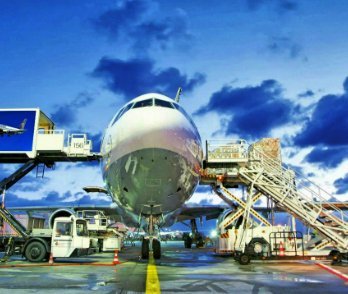
For urgent or high-value shipments, air freight into Tribhuvan International Airport in Kathmandu provides fast and secure delivery. TJ Freight manages export compliance, routing, and cargo handling for time-sensitive shipments.
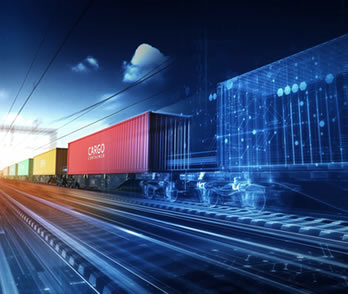
TJ Freight offers full door-to-door shipping from China to Nepal, covering supplier pickup, export clearance, international transport, and final delivery. Sea, air, and overland transport are coordinated to ensure secure cargo handling, on-time delivery, and complete shipment visibility.
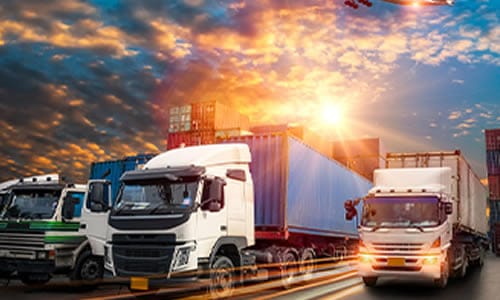
Our FCL service provides dedicated container space for large shipments. TJ Freight supervises container loading in China, ensuring proper fastening, weight balance, and compliance with international standards. Cargo transits via Indian ports before overland delivery into Nepal. Structured documentation and milestone tracking support industries including machinery, electronics, textiles, consumer goods, and construction materials.
For smaller or multi-supplier shipments, LCL offers flexibility and cost efficiency. TJ Freight manages consolidation, palletizing, labeling, and structured separation. We coordinate ocean schedules, customs procedures, and final delivery into Nepal’s distribution network. Real-time tracking ensures smooth inventory flow for wholesalers, retailers, and e-commerce operators.
Organized supplier pickup in China with reliable delivery throughout Nepal.
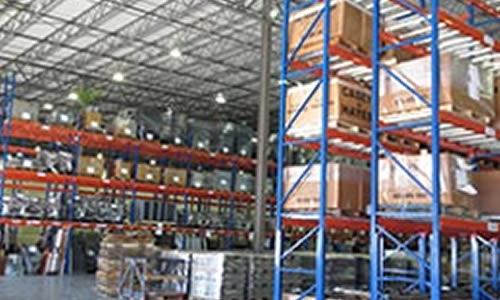
Secure staging and consolidation services for smooth transshipment.
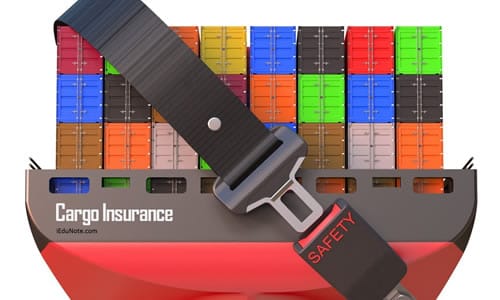
Coverage suitable for long-distance, multimodal, and high-value shipments.

Accurate export documentation and full Nepal customs support.
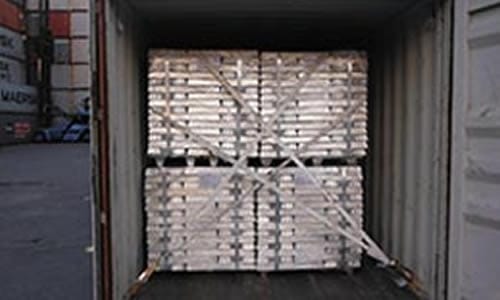
Professional supervision ensuring proper packaging, labeling, and container safety.
Major airlines include Nepal Airlines, China Eastern Airlines, and Sichuan Airlines. Nepal Airlines offers direct flights from Kathmandu to Beijing and Guangzhou. China Eastern Airlines and Sichuan Airlines connect Chengdu with Kathmandu, providing convenient air links.
No, there are no direct trains between China and Nepal. However, travelers can take a train to Lhasa from major Chinese cities, and then continue their journey to Nepal by road.
The main road route is from Lhasa, Tibet, to Kathmandu. This route traverses the Tibetan Plateau and crosses the border at the Kyirong port. It’s a scenic but challenging route, especially during winter.
Yes, travelers from China need a visa to enter Nepal. They can obtain a visa on arrival at Kathmandu’s Tribhuvan International Airport or apply in advance through the Nepalese embassy in China.
Import regulations require travelers to declare any goods exceeding the duty-free allowance. There are restrictions on items like narcotics and restricted goods. It’s advisable to check with Nepalese customs for specific rules.
Choose a freight forwarder with a proven track record of safety and reliability. Research their safety protocols, compliance records, and customer reviews to ensure they meet high standards.
Common risks include adverse weather conditions, transportation delays, theft, and damage during transit. Conducting risk assessments and having contingency plans can mitigate these risks.
Compliance with customs regulations is crucial to avoid delays, fines, and potential legal issues. Ensuring all documentation is accurate and complete is essential for smooth shipping.
High-value shipments should be protected with sealed containers, secure storage, and monitoring during loading and unloading. Additional security measures may include GPS tracking and escorts.
Continuous improvement helps in identifying and rectifying any inefficiencies in the shipping process. Regularly reviewing and updating safety practices can minimize risks and ensure the secure delivery of goods.
Operations deal with the way the vehicles are operated, and the procedures set for this purpose, and policies. In the transport industry, operat ions and ownership of infrastructure can be either country.