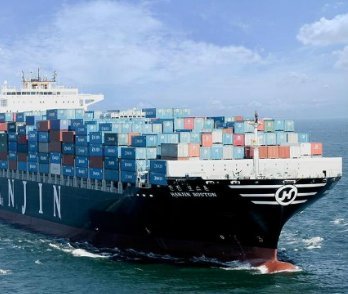
TJ Freight specializes in overland transport through border points like Torghundi and Serhetabat. FCL and LCL shipments are fully supervised, including container loading, export documentation, and inland distribution.
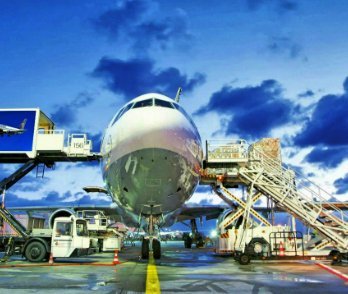
For urgent or high-value goods, air freight into Ashgabat International Airport ensures quick and secure delivery. TJ Freight manages flight routing, customs compliance, and cargo handling for sensitive cargo.

TJ Freight’s door-to-door service covers supplier pickup in China, export clearance, and delivery to any location within Turkmenistan. Sea, air, and overland transport modes are seamlessly coordinated.

Full Container Load (FCL) services are designed for bulk shipments that require dedicated container space. TJ Freight supervises container loading in China, ensures proper weight distribution, secures cargo, and oversees compliance with international shipping standards. FCL shipments are ideal for machinery, electronics, textiles, and consumer goods. Port operations and overland delivery in Turkmenistan are fully coordinated.
Less than Container Load (LCL) services provide cost-efficient solutions for smaller consignments. TJ Freight consolidates multiple shipments, palletizes, labels, and coordinates customs clearance and inland delivery. Real-time tracking ensures complete visibility of cargo from China to Turkmenistan.
Organized supplier pickup in China with secure delivery across Ashgabat, Turkmenbashi, and other cities.
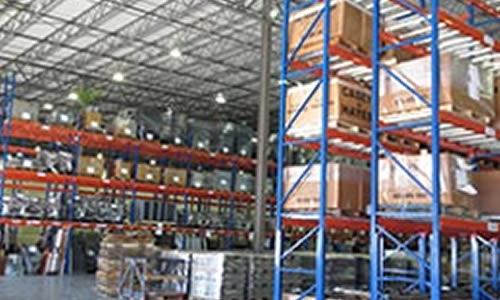
Temporary storage and consolidation for smoother transit and handling.
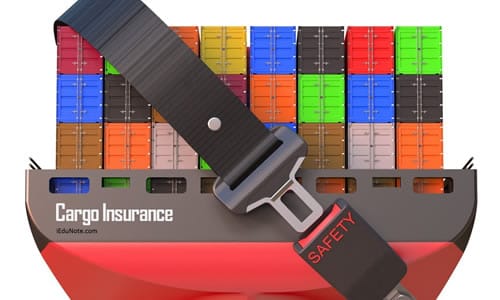
Coverage for multimodal transport including overland and air freight.

Full documentation and support for Turkmenistan’s customs.
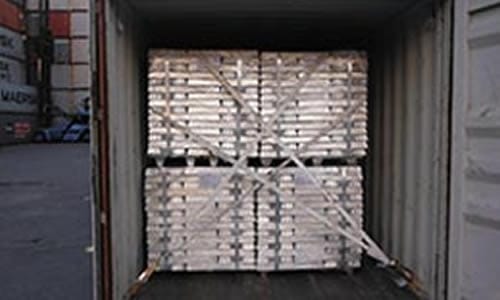
Supervised packaging and container loading for maximum safety.
Shipping from China to Turkmenistan can be done via air freight or sea freight. Air freight is quicker and suitable for urgent deliveries, taking about 5 to 7 days. Sea freight, while slower, is more cost-effective, generally taking 20 to 30 days. Each method has its own advantages depending on the urgency and budget.
Shipping costs from China to Turkmenistan vary based on the method and size of the shipment. Air freight costs more but provides faster delivery, while sea freight is more budget-friendly but takes longer. Additional costs may include customs duties, insurance, and handling fees. For an accurate estimate, consult with freight forwarders.
Required documents include a commercial invoice, packing list, bill of lading or air waybill, and a certificate of origin. Customs declarations and any required permits or licenses depending on the nature of the goods are also necessary. Proper documentation ensures smooth processing and avoids delays.
Yes, shipments to Turkmenistan must comply with local customs regulations. This includes accurate declaration of goods, payment of applicable duties and taxes, and adherence to import restrictions. Customs inspections may also apply, so ensuring proper documentation and compliance is crucial to avoid delays.
You can track your shipment using the tracking number provided by your freight forwarder or carrier. Most forwarders offer online tracking systems that allow you to monitor the shipment’s status in real-time. This helps you stay informed about delivery progress and any potential issues.
To ensure safe delivery, choose a reliable freight forwarder with a good track record. Use appropriate packaging to protect goods, obtain insurance coverage, and adhere to all customs regulations. Regularly track the shipment and communicate with all parties involved to address any issues promptly.
To reduce costs, consider using sea freight instead of air freight for non-urgent shipments. Consolidating shipments, negotiating rates with forwarders, and optimizing packaging can also help. Ensure that all documentation is accurate to prevent delays and additional fees.
If a shipment is delayed, first check the tracking information for updates. Contact your freight forwarder or carrier to inquire about the cause and estimated delivery time. Reviewing and addressing any issues with documentation, customs, or logistics can also help resolve delays.
Common challenges include navigating complex customs regulations, potential delays due to long transit times, and ensuring proper packaging to prevent damage. Working with experienced freight forwarders can help manage these challenges effectively and ensure smooth shipping.
When selecting a freight forwarder, consider their experience, reputation, and the range of services they offer. Check their track record for reliability and safety, their understanding of Turkmenistan’s regulations, and their ability to provide tracking and support throughout the shipping process.
Operations deal with the way the vehicles are operated, and the procedures set for this purpose, and policies. In the transport industry, operat ions and ownership of infrastructure can be either country.