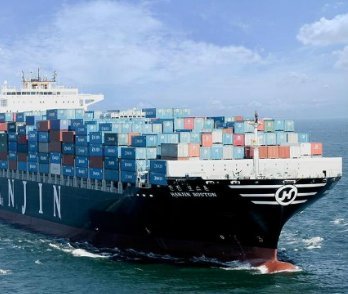
TJ Freight provides reliable FCL and LCL sea freight connections entering Suriname primarily through the Port of Paramaribo and regional Caribbean gateways. We manage container loading, export documentation, route planning, and vessel scheduling to maintain stable and efficient ocean transit.
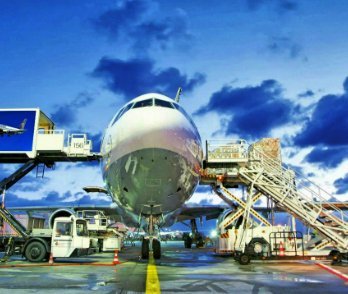
For urgent or high-value shipments, our air freight service provides fast, controlled movement into Paramaribo’s Johan Adolf Pengel International Airport. TJ Freight handles export compliance, routing, and secure cargo handling to ensure timely delivery.

Our door-to-door service integrates pickup, export formalities, international transit, customs advisory, and final inland delivery. With DDP and DDU options available, TJ Freight simplifies the logistics chain for businesses shipping into all regions of Suriname.

Our FCL service is built for medium to large shipments that require dedicated container space, secure handling, and predictable routing across the China–Caribbean corridor. TJ Freight oversees loading at origin, ensuring proper securing, balanced weight distribution, and full compliance with international standards. We evaluate transshipment ports, sailing cycles, and Paramaribo’s port operations to align with your delivery timeline. With milestone tracking, structured documentation control, and responsive communication, our FCL solution supports reliable supply chain performance for Suriname’s retail, construction, mining, and manufacturing sectors.
For multi-supplier consolidation or small-volume imports, our LCL service delivers cost-efficient transport with strict handling oversight. TJ Freight manages receiving, inspection, palletizing, labeling, and organized separation at consolidation hubs. We coordinate sailing frequencies, transshipment connections, and documentation accuracy to minimize delays through Caribbean ports. With real-time updates and controlled processes, our LCL offering supports consistent inventory flow for wholesalers, distributors, and businesses expanding across Suriname.
Coordinated origin pickup with structured inland delivery across Suriname.
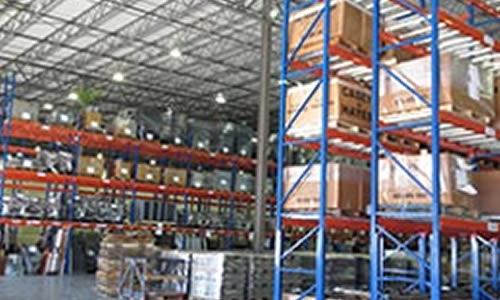
Secure storage and consolidation for multi-supplier and mixed cargo.
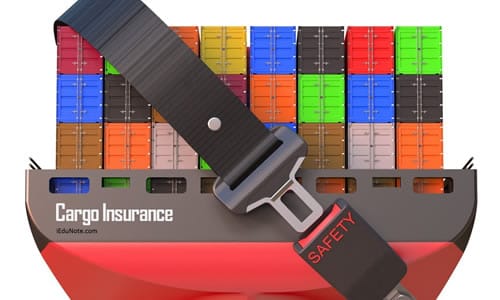
Coverage designed for long-distance and transshipment-based routing.

Accurate export documentation and support for Suriname’s import regulations.
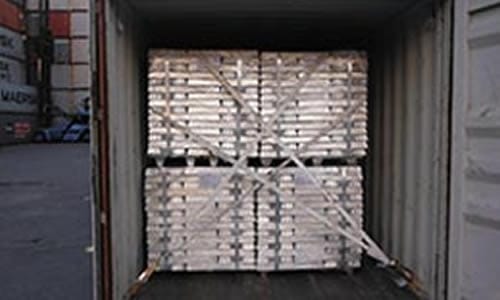
Verification of packaging quality, labeling accuracy, and container safety.
Several factors affect the shipping time, including the mode of transport (air freight, sea freight, or courier), customs clearance, the efficiency of the shipping company, seasonal demand, and the current global logistics situation. Typically, air freight is the fastest, taking around 7-14 days, while sea freight can take 30-45 days.
Air freight is the fastest shipping method, usually taking about 7 to 14 days. This time frame includes packing, pickup, transit, and customs clearance. However, it can vary based on the specific airline, routing, and any delays in customs processing or peak season congestion.
Sea freight generally takes longer than air freight, with an average transit time of 30 to 45 days. This period includes the time spent at sea, port handling, customs clearance, and final delivery to the destination. Weather conditions and port congestion can also impact this time frame.
The efficiency and reliability of the shipping company play a crucial role in delivery times. Reputable companies with established logistics networks can often provide faster and more reliable service, ensuring timely pickup, transit, and delivery, as well as efficient handling of customs and documentation.
Yes, the shipping route significantly impacts the transit time. Direct routes with fewer stops or transshipments are generally faster. Indirect routes with multiple stops or transfers can add several days or even weeks to the overall shipping time due to additional handling and potential delays at intermediary ports.
Customs clearance is a critical step in the shipping process. Delays in customs can significantly extend the overall shipping time. Efficient documentation, accurate declarations, and prompt payment of duties and taxes can help expedite this process and reduce delays.
Seasonal factors such as peak shopping seasons (e.g., Chinese New Year, Christmas) can lead to increased shipping volumes and potential delays. During these periods, both air and sea freight services may experience congestion, resulting in longer transit and processing times.
Global logistics issues such as port congestion, labor strikes, pandemics, and geopolitical tensions can all disrupt normal shipping operations. These issues can lead to delays, increased shipping times, and higher costs due to rerouting, additional handling, and supply chain interruptions.
The choice between air freight and sea freight involves a trade-off between cost and time. Air freight is faster but more expensive, making it suitable for urgent or high-value shipments. Sea freight is more cost-effective for larger, non-urgent shipments, though it takes longer.
To ensure faster shipping, choose a reputable shipping company with a reliable track record, opt for direct shipping routes, prepare all necessary documentation accurately, and consider using expedited services for urgent shipments. Additionally, staying informed about potential delays and planning shipments during off-peak times can help mitigate delays.
Operations deal with the way the vehicles are operated, and the procedures set for this purpose, and policies. In the transport industry, operat ions and ownership of infrastructure can be either country.