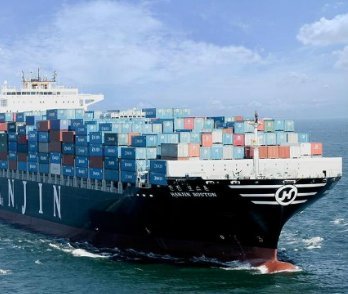
Although landlocked, Belarus connects efficiently to maritime gateways such as Klaipeda, Gdansk, and Riga. TJ Freight manages FCL and LCL ocean freight routing, export documentation, and inland trucking or rail, providing stable and cost-effective transport from China to Belarus.
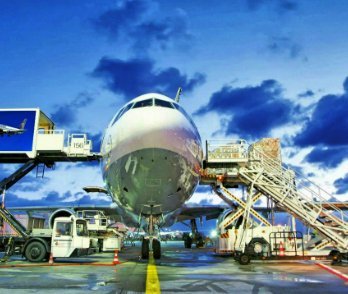
For high-value or urgent goods, our air freight service offers fast delivery via Minsk National Airport and nearby EU air hubs. TJ Freight handles documentation, routing, and secure cargo handling to support time-sensitive supply chains.

Belarus is a major transit point along China–Europe rail corridors, making rail an efficient and competitive option. TJ Freight arranges rail booking, customs preparation, and final delivery across Belarus. Regular departures and strong intermodal links make rail ideal for steady mid-speed shipments.

Our FCL service supports medium to large shipments requiring stable and secure long-distance transport. TJ Freight supervises container loading in China, ensuring proper fastening, weight balance, and international compliance. With diversified routing via Baltic ports and inland rail corridors, we maintain predictable delivery for Belarusian industries including machinery, chemicals, electronics, and consumer goods.
For smaller or mixed shipments, LCL offers flexibility and cost efficiency. TJ Freight manages consolidation, palletizing, labeling, and controlled separation at major hubs. We coordinate ocean entry into Baltic ports, EU customs procedures, and inland delivery into Belarus. With real-time visibility and consistent schedules, our LCL service supports wholesalers, distributors, and retailers across the country.
Coordinated supplier pickup in China with structured inland delivery across Belarus.
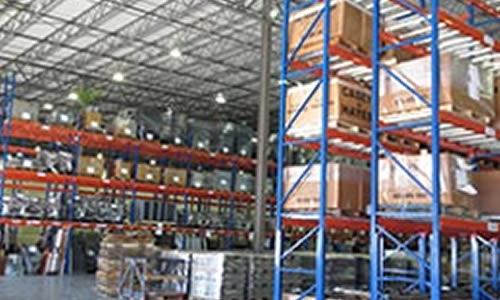
Secure EU-standard warehousing for consolidation and storage.
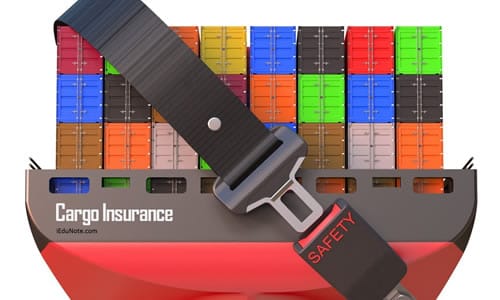
Coverage suitable for long-distance, high-value, or sensitive cargo.

Accurate export documentation with complete customs guidance.
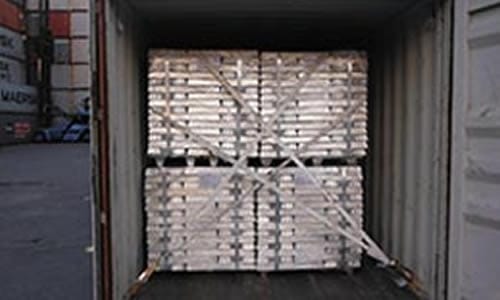
Verification of packaging integrity and container readiness.

Yes, importing goods from China to Belarus may involve customs duties and taxes. The amount depends on the type of goods and their declared value. Familiarize yourself with Belarusian customs regulations and tariff codes to estimate potential costs and ensure compliance.
Common challenges in shipping from China to Belarus include dealing with customs delays, managing transit times, and ensuring the safety of goods during transportation. Issues such as documentation errors and unexpected port congestion can also impact shipping efficiency.
For real-time updates, use our tracking platform or carrier apps like DB Schenker for rail/road shipments. Monitor progress from China’s ports to Belarusian cities like Minsk, Gomel, or Brest. Key milestones include customs clearance in Klaipėda (Lithuania) and final-mile delivery. Contact us for assistance interpreting tracking data!
If your shipment is delayed, first check the customs status via Belarusian Customs Committee portals. Common causes include EAC certification issues or winter weather affecting rail routes. Next, contact China Top Forwarder—our agents resolve documentation errors and negotiate carrier compensation for port congestion delays.
A freight forwarder offers expertise in managing logistics, including arranging transport, handling documentation, and navigating customs procedures. Their services can simplify the shipping process, reduce the risk of errors, and potentially save on costs through established networks and negotiated rates.
To protect your goods during shipping from China to Belarus, use high-quality packaging materials tailored to the type of cargo. Secure items properly to prevent movement and damage. Additionally, consider obtaining insurance coverage to safeguard against loss, theft, or damage during transit.
Operations deal with the way the vehicles are operated, and the procedures set for this purpose, and policies. In the transport industry, operat ions and ownership of infrastructure can be either country.