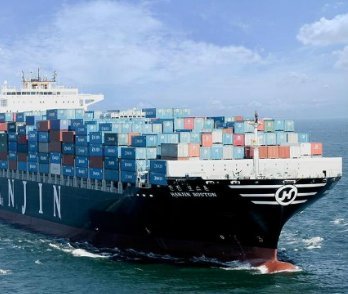
Liechtenstein is landlocked, yet sea freight via EU ports such as Hamburg, Rotterdam, and Genoa provides a reliable option. TJ Freight handles FCL and LCL loading, export documentation, maritime scheduling, and inland transport to Liechtenstein, ensuring cost-effective and consistent deliveries.
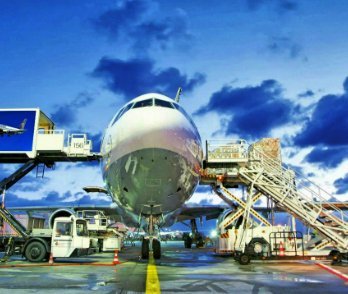
For urgent or high-value shipments, air freight into Zurich or Munich airports provides fast and secure delivery. TJ Freight manages export compliance, routing, and cargo handling to meet time-sensitive requirements for Liechtenstein’s business and industrial sectors.

TJ Freight offers complete door-to-door shipping from China to Liechtenstein, covering supplier pickup, export clearance, international transport, and final delivery. We coordinate sea, air, and intermodal options to ensure secure handling, on-time delivery, and full shipment visibility.
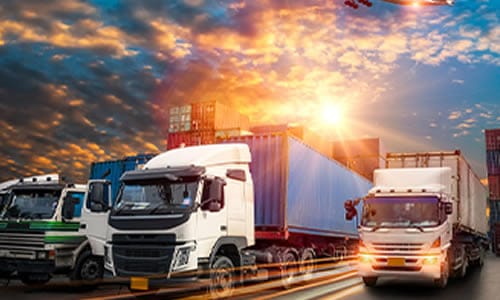
Our FCL service provides secure, dedicated container space for large shipments. TJ Freight supervises loading in China, ensuring proper fastening, weight distribution, and international compliance. Cargo enters via EU ports before inland delivery into Liechtenstein. Structured documentation and milestone tracking support industries including machinery, electronics, precision equipment, and luxury goods.
For smaller or multi-supplier shipments, LCL offers flexible and cost-efficient transport. TJ Freight handles consolidation, palletizing, labeling, and structured cargo separation. We coordinate maritime schedules, EU customs procedures, and last-mile delivery into Liechtenstein. Real-time tracking ensures smooth inventory management for wholesalers, retailers, and e-commerce operations.
Organized pickup in China with reliable delivery into Liechtenstein.
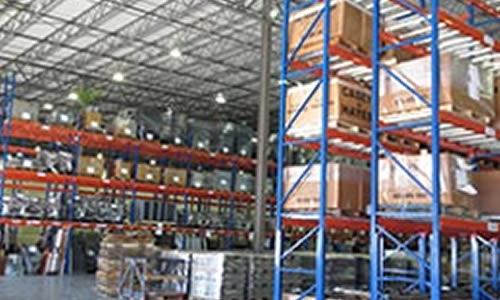
Secure EU-standard warehousing for staging, consolidation, and storage.
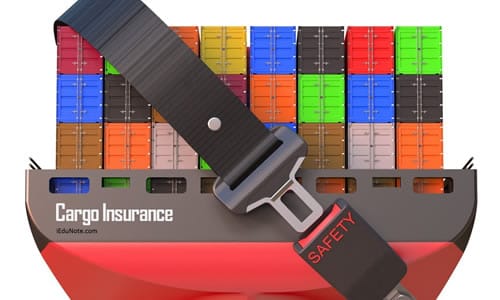
Coverage tailored for long-distance, high-value, and multimodal shipments.
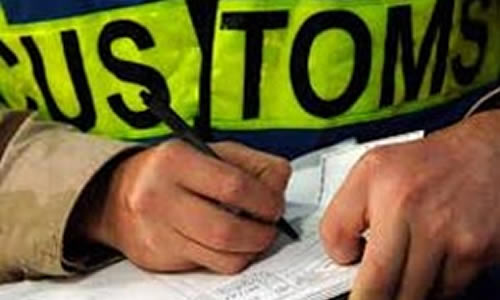
Accurate export documentation and EU customs compliance support.
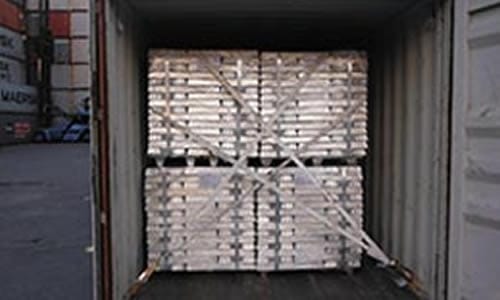
On-site supervision ensuring proper packaging, labeling, and container safety.
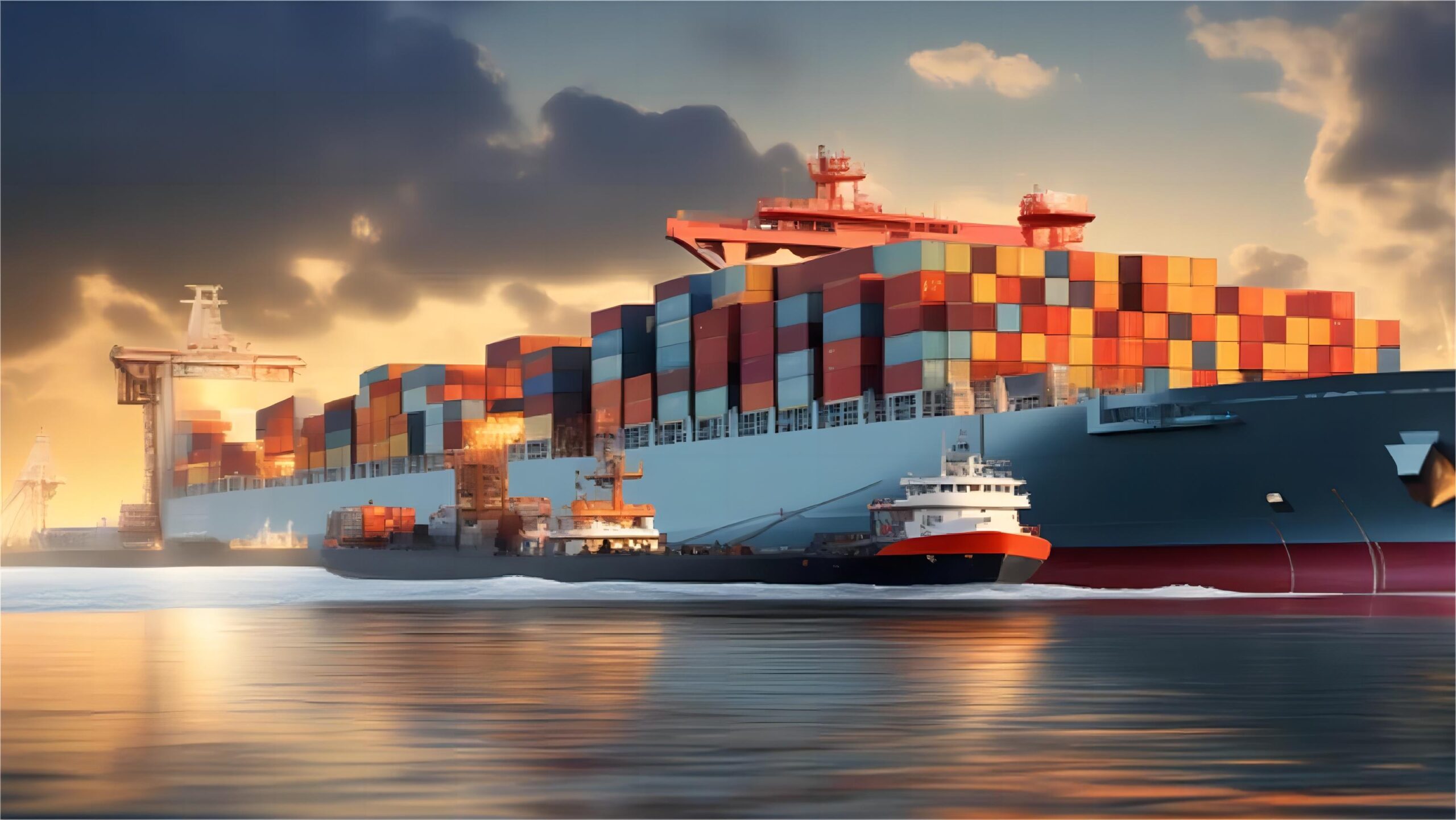
Several factors influence the shipping time from China to Liechtenstein, including the shipping method (air, sea, or land), customs clearance procedures, weather conditions, and the efficiency of the freight forwarder. On average, sea freight may take 30-45 days, while air freight can take 7-10 days. Delays can occur due to regulatory checks or unforeseen events.
Real-time tracking allows for constant monitoring of shipments, providing updates on the location and status of goods. This helps in promptly addressing any issues that arise, improving communication with customers, and enhancing overall supply chain transparency. It also aids in planning and managing logistics more efficiently, reducing the risk of delays.
Common challenges include navigating complex customs regulations, managing shipping costs, and ensuring timely delivery. Weather conditions can also impact transit times. Additionally, coordinating between different carriers and handling unexpected delays or damage to goods can pose significant challenges that require efficient logistics management.
Comprehensive insurance coverage protects against financial losses due to theft, damage, or loss of goods during transit. It ensures that the value of the shipment is compensated, providing peace of mind and financial security. This coverage is especially crucial for high-value or sensitive items, mitigating risks associated with international shipping.
Compliance with international shipping regulations ensures smooth transit and avoids legal issues or fines. It involves adhering to customs requirements, safety standards, and environmental regulations. Proper compliance minimizes the risk of delays at borders, ensures the safe handling of goods, and maintains the reputation of the shipping company.
Effective communication ensures all parties involved in the shipping process are well-informed and coordinated. It helps in providing clear instructions, sharing real-time updates, and addressing any concerns promptly. This improves efficiency, reduces misunderstandings, and ensures smooth operations, leading to timely and accurate delivery of goods.
Strategies to mitigate risks include conducting thorough risk assessments, using secure packaging, obtaining comprehensive insurance, and implementing tracking and monitoring systems. Additionally, having contingency plans for unforeseen events, such as weather disruptions or delays, and ensuring proper training for personnel can further reduce risks.
Training personnel in safety and compliance procedures ensures they are equipped to handle goods properly and respond to emergencies effectively. It reduces the risk of accidents, ensures adherence to regulations, and improves the overall handling and transportation of goods. Well-trained staff contribute to a safer, more efficient shipping process.
When shipping goods from China to Liechtenstein, you typically need the following documents:
Commercial Invoice: This document provides details about the goods being shipped, including their description, quantity, value, and intended use. It is used by customs authorities in both China and Liechtenstein to assess duties and taxes.
Packing List: A packing list itemizes the contents of the shipment, including the quantity, weight, and dimensions of each item. It helps customs officials verify the contents of the shipment and ensure compliance with import regulations.
Bill of Lading (B/L): The bill of lading is a legal document issued by the carrier or freight forwarder that serves as a receipt for the goods being shipped and as evidence of the contract of carriage. It includes details such as the names and addresses of the shipper and consignee, the origin and destination of the shipment, and the terms of delivery.
Certificate of Origin: This document certifies the country of origin of the goods being shipped and may be required to qualify for preferential tariff treatment under trade agreements between China and Liechtenstein.
Customs Declaration: Depending on the nature of the goods and any specific regulatory requirements, additional customs declarations or permits may be necessary for certain types of products, such as controlled substances or agricultural goods.
Insurance Certificate (Optional): If you have purchased cargo insurance to protect against loss or damage during transit, you may need to provide an insurance certificate or policy document as proof of coverage.
It's essential to ensure that all required documents are accurately completed and included with your shipment to facilitate smooth customs clearance and delivery to Liechtenstein. You may also want to consult with your freight forwarder or shipping provider to confirm any additional documentation requirements specific to your shipment.
Operations deal with the way the vehicles are operated, and the procedures set for this purpose, and policies. In the transport industry, operat ions and ownership of infrastructure can be either country.