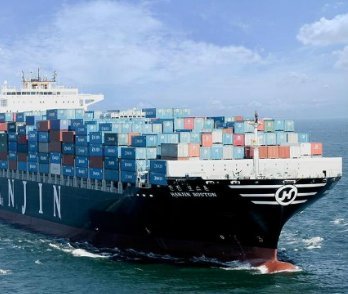
TJ Freight provides stable FCL and LCL sea freight options connecting major Chinese ports with Costa Rica. Our team manages container loading, evaluates sailing schedules, and ensures accurate documentation, delivering predictable long-distance ocean transport for various cargo types.
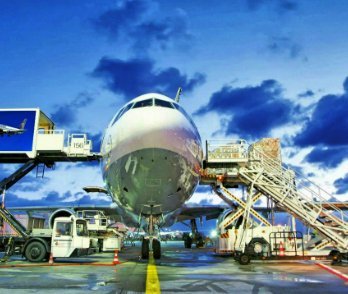
For shipments requiring quick delivery, our air freight service offers fast, controlled transit supported by efficient routing and streamlined export procedures. TJ Freight ensures safe handling and timely arrival into Costa Rican airports for urgent or high-value cargo.

Our door-to-door solutions simplify the logistics process, covering pickup, export clearance, freight movement, customs guidance, and final delivery. With both DDP and DDU options available, TJ Freight reduces operational complexity and ensures smooth, coordinated shipment flow.

Our FCL service is ideal for larger shipments requiring dedicated container space and secure handling. TJ Freight supervises loading to ensure proper securing and weight distribution, selects suitable carriers, and monitors each milestone to maintain accurate and dependable delivery timelines.
For smaller or multi-supplier shipments, our LCL service offers flexible consolidation and cost-effective transport. We manage receiving, palletizing, labeling, and separation to keep goods organized and protected throughout the consolidation and shipping cycle.
Coordinated pickup from China’s major industrial zones.
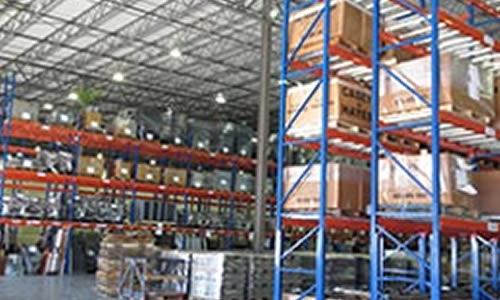
Secure warehousing and consolidation support for multi-supplier cargo.
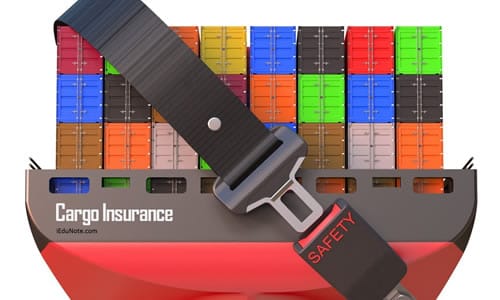
Insurance solutions designed to protect goods during long-distance transit.

Accurate export documentation and customs compliance assistance.
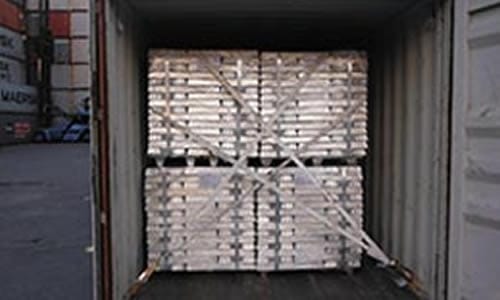
Verification of packaging quality and container safety before dispatch.
Air freight is significantly faster than sea freight. Generally, air freight takes about 7 to 14 days from China to Costa Rica, while sea freight can range from 25 to 40 days. Air freight is ideal for urgent shipments, whereas sea freight is more cost-effective for non-urgent deliveries, albeit slower.
Factors affecting shipping duration include the chosen shipping method (air or sea), customs clearance time, weather conditions, and potential delays in ports. Additionally, the specific origin and destination points within China and Costa Rica can impact the overall transit time.
Yes, you can expedite shipping by opting for express air freight services, such as those provided by DHL, FedEx, or UPS. These services can significantly reduce delivery times, often delivering within 5 to 10 days, though they are more expensive compared to standard air freight.
Customs requirements typically include a detailed invoice, a packing list, and potentially a certificate of origin. You must ensure compliance with Costa Rican import regulations, including paying applicable duties and taxes, to avoid delays during customs processing.
Yes, shipping insurance is recommended for valuable or high-risk items. Insurance can protect against loss, theft, or damage during transit. It's available through freight forwarders or shipping companies, providing peace of mind for international shipments.
Common shipping companies include major logistics providers like Maersk, COSCO, and Evergreen for sea freight, and DHL, FedEx, and UPS for air freight. These companies offer various services and can handle different types of cargo.
Yes, most shipping companies offer tracking services. You can track your shipment using the tracking number provided by the shipping company, which allows you to monitor the progress of your package in real-time from departure to arrival.
Air freight is generally more expensive than sea freight due to the faster transit time. Costs can vary widely based on the weight and volume of the shipment, with air freight being suitable for smaller, high-value items, while sea freight is more cost-effective for larger shipments.
Choosing air freight typically results in higher costs due to speed and efficiency, whereas sea freight offers lower costs but with longer transit times. The decision often depends on the urgency of the shipment and the budget available.
Yes, Costa Rica has specific import regulations, including restrictions on certain products and requirements for import permits or certifications. Ensure compliance with local regulations, including safety standards and labeling requirements, to avoid issues during customs clearance.
Operations deal with the way the vehicles are operated, and the procedures set for this purpose, and policies. In the transport industry, operat ions and ownership of infrastructure can be either country.