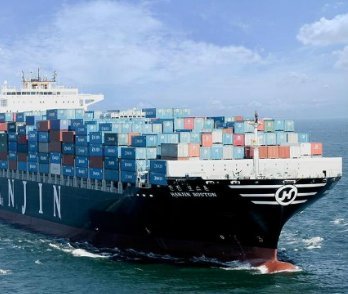
Shipping from China to the Bahamas requires dependable logistics planning, secure handling, and a partner who understands regional delivery challenges. With support from TJ Freight, businesses gain access to structured sea and air freight solutions built for consistency, transparency, and on-time performance. From coordinating supplier pickup to managing export formalities and final delivery across the islands, our team ensures your shipments move smoothly with full operational confidence.
TJ Freight offers steady and cost-efficient sea freight services designed for shipments of all sizes. Whether you require FCL for high-volume cargo or LCL for smaller loads, we provide stable sailings, careful container handling, and clear coordination from China’s major ports to the Bahamas’ key gateways, including Nassau and Freeport.
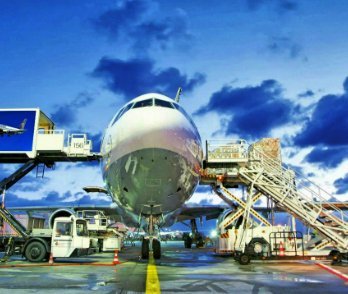
For urgent, sensitive, or high-value cargo, our air freight solutions ensure fast transit and professional oversight. TJ Freight selects suitable flight routes, manages export documentation, and ensures your goods are processed securely and delivered within your required timeframe.

TJ Freight simplifies your logistics flow with seamless door-to-door delivery. We manage pickup, export customs, international transport, import coordination, and final drop-off. With DDP/DDU options available, your supply chain becomes more efficient and worry-free from start to finish.

Our FCL service provides dedicated container space, stronger cargo protection, and consistent transit performance—ideal for medium to large shipments. TJ Freight supervises loading at the origin, ensures weight balance and proper securing, and optimizes routing based on real sailing schedules. Throughout the journey, clients benefit from reliable tracking, proactive coordination, and stable arrival times to the Bahamas.
Efficient, well-coordinated pickup across all major Chinese manufacturing zones.
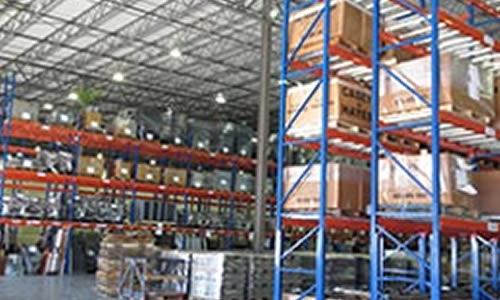
Secure storage and consolidation solutions tailored to multi-supplier shipments.
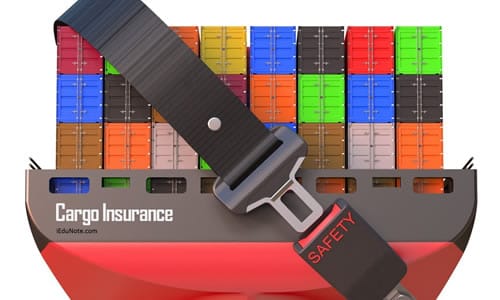
Comprehensive insurance coverage protecting your cargo throughout the China–Bahamas route.

Smooth export clearance handled by experienced professionals to prevent delays.
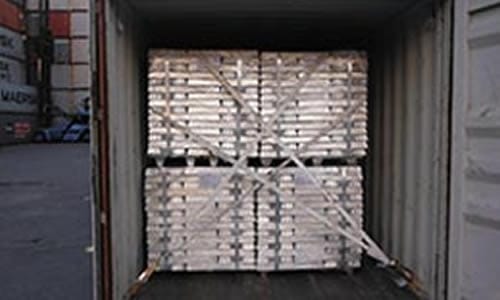
On-site inspection ensuring proper packaging, labeling, and safe container loading.
The shipping duration depends on the chosen method. Air freight typically takes 7-10 days, while sea freight usually requires 25-35 days. Factors such as weather conditions, holidays, and customs processing can affect these times. Air freight is faster but more expensive, while sea freight is more economical but slower.
The main shipping methods are air freight and sea freight. Air freight is quicker but more costly, making it suitable for urgent or high-value items. Sea freight is slower but more cost-effective, ideal for larger shipments. Choosing the right method depends on the type of goods, urgency, and budget.
Sea freight duration can be influenced by factors such as the chosen shipping route, vessel schedules, port congestion, weather conditions, and customs clearance. Ports might be busier during holidays, causing delays. Planning ahead and selecting a reliable logistics provider can help minimize delays.
Packages must go through both export and import customs procedures. Export customs involve verifying the legality and compliance of the goods. Import customs require declaring the type and value of the goods and paying applicable duties and taxes. Different goods might need specific documents and permits, so understanding the regulations in advance is crucial.
When selecting a logistics provider, consider their experience, reputation, pricing, and service offerings. Reviewing customer feedback and case studies can help assess their service quality. Choosing a provider with international shipping experience ensures they are familiar with cross-border procedures and potential issues, offering more professional support.
Air freight is generally much more expensive than sea freight, especially for large shipments. Air freight costs are typically based on weight and volume, while sea freight is charged based on container size and total shipment volume. While air freight is faster, sea freight is more budget-friendly for non-urgent shipments.
Shipping costs are influenced by various factors, including the weight and volume of the goods, transportation distance, chosen shipping method, insurance, customs fees, and seasonal fluctuations. Planning and comparing quotes from different logistics companies can help find the most cost-effective shipping option.
International shipping insurance is highly recommended as it protects against loss, damage, or other issues during transit. Insurance can provide financial compensation in case of mishaps, reducing the risk of significant losses. Choosing the right coverage ensures that goods are protected throughout the entire shipping process.
During holidays, shipping times can be extended due to reduced operating hours at ports, airports, and customs offices. Increased volume of shipments and possible staff shortages can also contribute to delays. Planning shipments around holiday periods and allowing extra time can help manage these potential delays.
Customs duties and taxes are assessed based on the value and type of goods being imported. The Bahamas may have specific regulations and rates that apply to different categories of products. Ensuring accurate documentation and understanding the applicable duties and taxes can help prevent unexpected costs and delays.
Operations deal with the way the vehicles are operated, and the procedures set for this purpose, and policies. In the transport industry, operat ions and ownership of infrastructure can be either country.