TJ Freight offers dependable FCL and LCL sea freight options suited for Cuba-bound shipments. We manage container loading, routing plans, export documentation, and sailing schedules to maintain predictable transit performance and safe container transport.
For urgent shipments, our air freight services deliver speed, controlled handling, and clean documentation flow. TJ Freight secures reliable flight connections, manages export compliance, and ensures fast processing through Cuba’s entry points.
Our door-to-door service offers an end-to-end logistics experience, including pickup, export clearance, transport, customs guidance, and final delivery. With DDP/DDU options available, TJ Freight simplifies complex shipping procedures for businesses operating in Cuba.

Our FCL service provides dedicated container space, enhanced cargo protection, and stable long-distance transit. TJ Freight supervises loading, verifies cargo securing, ensures proper weight distribution, and selects reliable ocean carriers suited to Cuba’s port schedules and customs processes.
For smaller or mixed shipments, our LCL service offers cost efficiency and flexible consolidation. TJ Freight manages receiving, sorting, palletizing, labeling, and safe cargo separation to keep shipments organized throughout the entire consolidation and delivery cycle.
Coordinated pickup across China’s manufacturing hubs.
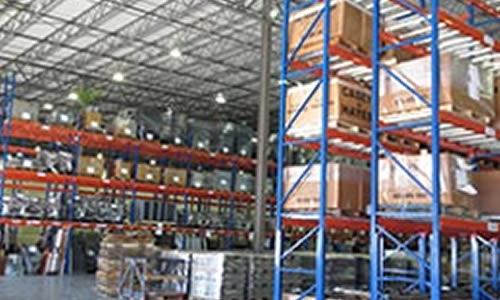
ecure warehousing for short-term storage and consolidation.
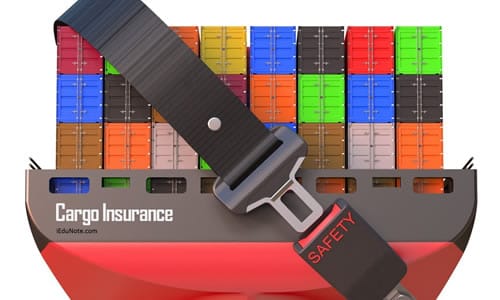
Coverage protecting goods during the China–Cuba transit.

Accurate export documentation and compliance support.
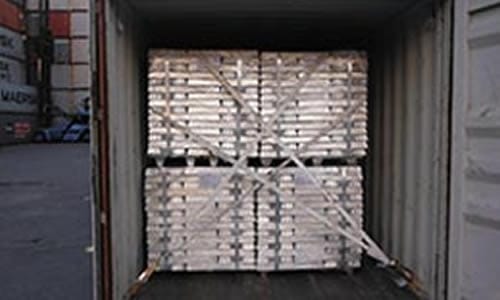
On-site verification of cargo packing and container condition.
Sea freight from China to Cuba typically takes 30–45 days. The exact duration depends on departure/arrival ports, shipping routes, and carrier schedules. WeAir freight from China to Cuba takes 7–15 days, offering faster delivery at higher costs. Transit times vary based on airlines, flight schedules, and air traffic.ather, delays, and customs processing can also affect delivery times.
Air freight from China to Cuba takes 7–15 days, offering faster delivery at higher costs. Transit times vary based on airlines, flight schedules, and air traffic.
Factors like transport mode (sea/air), cargo weight/volume, distance, and add-ons (insurance, customs fees) determine costs. Sea freight is generally cheaper, while air freight is pricier.
Sea shipments need a commercial invoice, packing list, bill of lading, and customs declaration forms. Accurate documentation prevents customs delays.
Yes. Air freight demands robust packaging to protect goods. Depending on cargo type, you may need shockproof materials or special labeling.
Cuba enforces strict import rules, including duties, taxes, and restrictions on certain goods. Importers must comply to avoid delays and fees.
Ensure complete documentation, choose a reliable forwarder, track shipments regularly, and account for potential customs waits. Proactive planning and communication help.
In China, primary ports include Shanghai, Shenzhen, and Ningbo. Cuba’s main ports are Havana and Santiago de Cuba. Port choice impacts costs and transit times.
Yes. Most providers offer real-time tracking for sea and air freight, allowing you to monitor shipment status and delivery updates.
Cuban regulations may restrict or prohibit items like pharmaceuticals, electronics, or certain food products. Verify restrictions with Chinese and Cuban authorities before shipping.
Operations deal with the way the vehicles are operated, and the procedures set for this purpose, and policies. In the transport industry, operat ions and ownership of infrastructure can be either country.