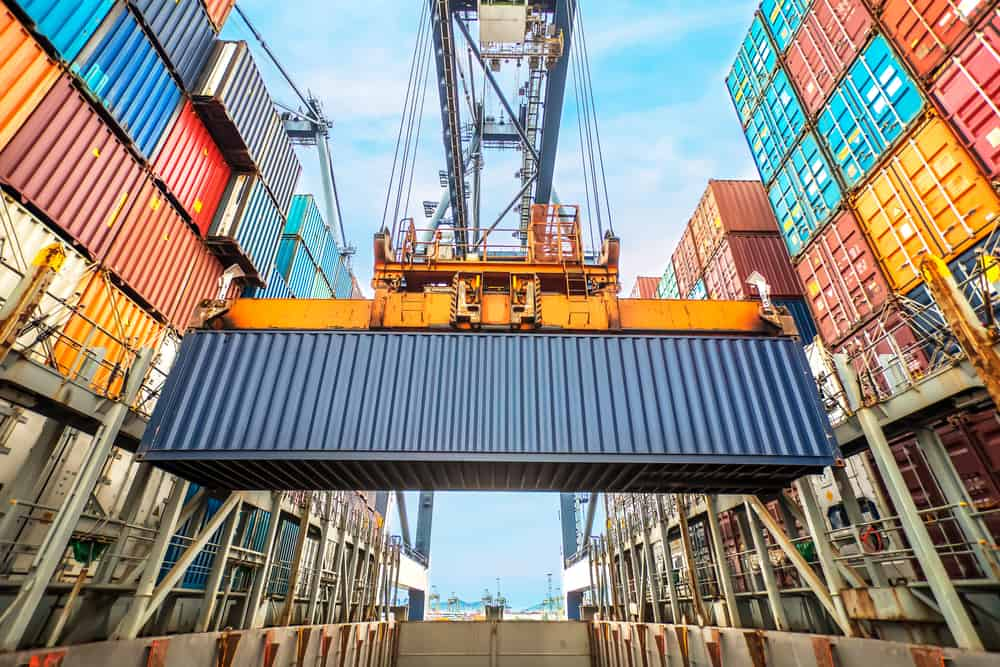
Shipping from China to Haiti requires a logistics partner capable of managing complex routes, varied cargo types, and time-sensitive coordination. Through the support of TJ Freight, businesses benefit from dependable sea and air freight solutions designed for stable transit and secure delivery. From supplier pickup and export procedures to customs documentation and final distribution within Haiti, our team ensures each shipment moves efficiently and with complete accuracy.
TJ Freight provides reliable FCL and LCL sea freight services tailored to the Haitian market. With strong carrier connections and structured routing, we ensure steady sailings, safe container handling, and transparent communication from departure to arrival.
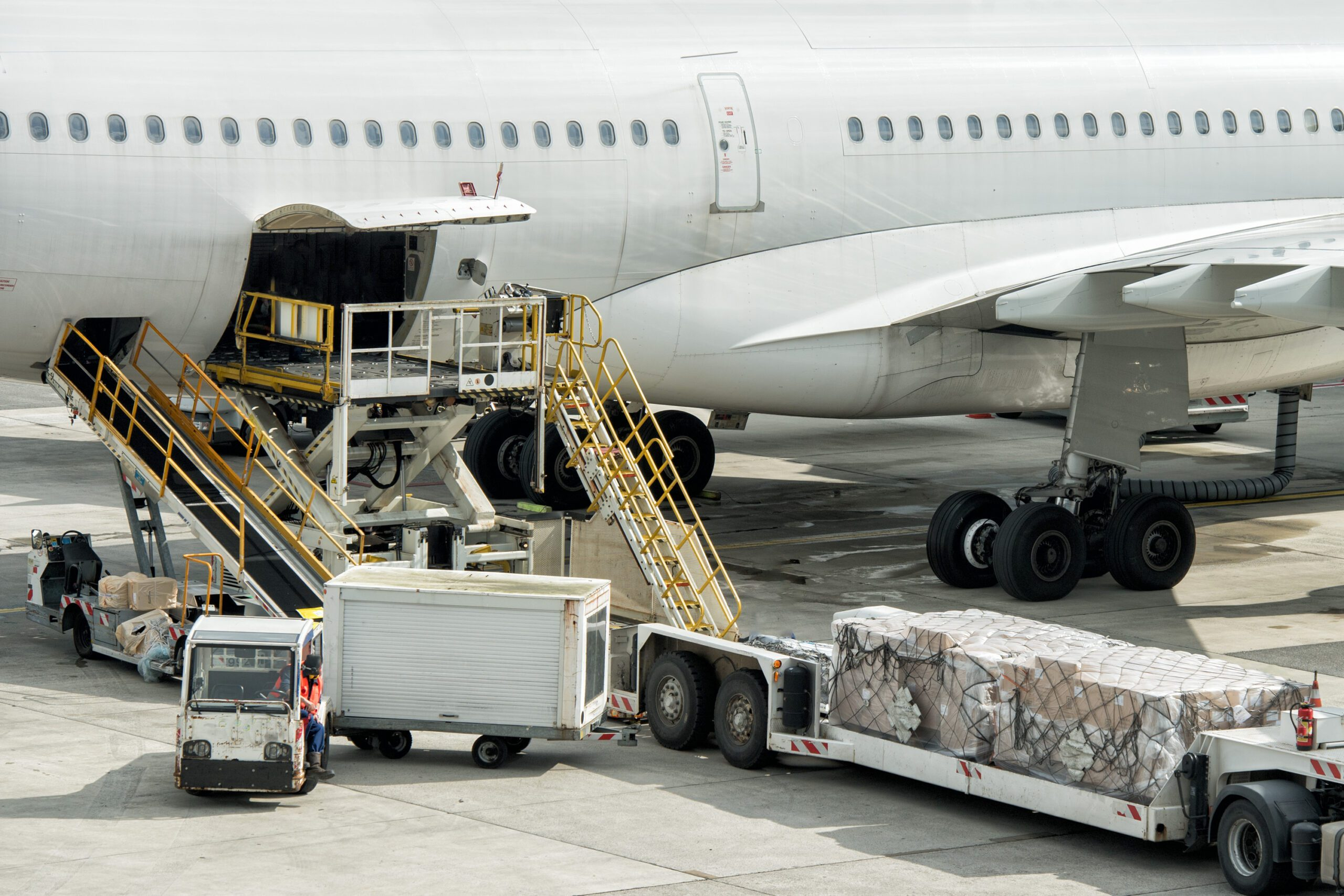
For urgent or sensitive shipments, our air freight services offer fast, secure transportation supported by professional packaging, streamlined documentation, and efficient route selection. We ensure timely arrival to Haiti with consistent handling quality.
TJ Freight delivers straightforward, coordinated door-to-door services covering pickup, export clearance, freight movement, customs assistance, and final drop-off. With DDP/DDU options available, businesses enjoy a flexible, simplified logistics experience.
Our FCL service offers dedicated space, strong cargo protection, and predictable transit performance—ideal for medium to large shipments. TJ Freight supervises loading at origin, ensures weight balance and securing, and selects optimal sailing schedules for timely arrival to Haiti. Throughout the journey, clients receive clear tracking updates and proactive communication.
Coordinated domestic pickup across China to ensure smooth entry into international transport.
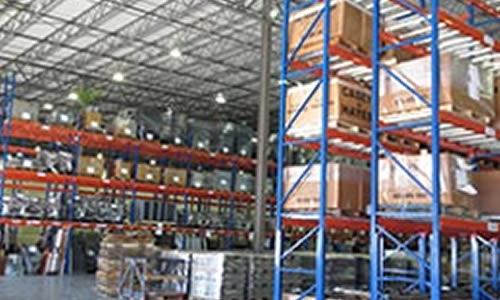
Secure warehousing for storage, cargo organization, and multi-supplier consolidation.
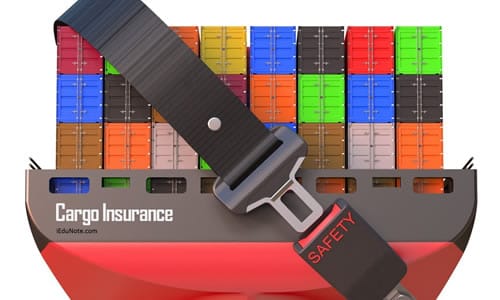
Comprehensive insurance options protecting shipments during their China–Haiti journey.

Professional customs processing to avoid delays and ensure compliant export documentation.
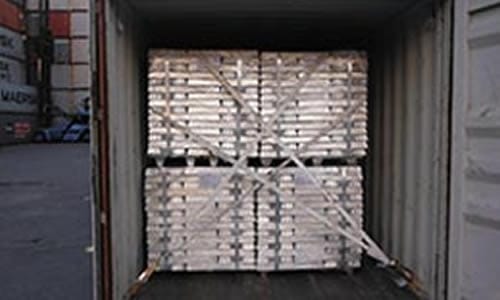
On-site inspection verifying packaging quality, item accuracy, and safe container loading.
The most cost-effective option is sea freight, especially for bulk or non-urgent items. Full Container Load (FCL) and Less-than-Container Load (LCL) services are available, with prices starting at around $105 for a 20-foot container from Shenzhen to Port-au-Prince. Transit times range from 25–48 days. Air freight is faster (3–7 days) but pricier, averaging $2.28–$10.50 per kilogram.
Sea freight typically takes 25–48 days, depending on the port and carrier. Air freight ensures faster delivery in 3–7 days, while express couriers like DHL/UPS take 3–5 days for small packages.
Key documents include a commercial invoice, packing list, Bill of Lading (B/L) or Air Waybill (AWB), and a Certificate of Origin (e.g., Form E). Electronics or medical goods may need additional certifications like FDA or CE.
Duties vary by product (0–30% based on HS code) and are calculated on the CIF value (cost + insurance + freight). A 12% VAT is added. For example, electronics face 0–15% duties, while textiles may incur 5–20%.
Services cover pickup in China, international transport, Haiti customs clearance (including VAT/duties), and local delivery to homes/offices in Port-au-Prince or other cities. Some providers offer DDP (Delivered Duty Paid) for hassle-free logistics.
Yes! LCL (Less-than-Container Load) services allow you to consolidate goods from different suppliers, reducing costs. Rates start at $890 per cubic meter for sea freight.
While not mandatory, it’s highly recommended. Insurance costs 0.3–1% of the goods’ value and protects against damage or loss. Reputable forwarders can help arrange coverage.
Ports: Port-au-Prince (primary), Cap-Haitien, and Saint-Marc.
Airports: Toussaint Louverture International Airport (Port-au-Prince) handles most air freight.
Look for companies with local agents in Haiti, transparent pricing, and 24/7 support. Check reviews, certifications (e.g., IATA for air freight), and ensure they handle customs compliance and specialized cargo (e.g., medical, hazardous goods).
Operations deal with the way the vehicles are operated, and the procedures set for this purpose, and policies. In the transport industry, operat ions and ownership of infrastructure can be either country.