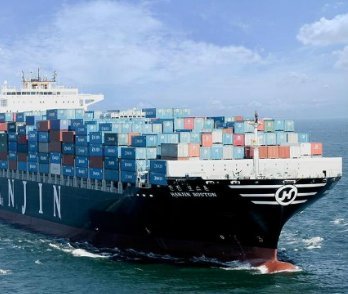
We coordinate stable sea freight services into key ports such as Luanda, Lobito, and Namibe. Our team manages container booking, routing, documentation, and transshipment to maintain consistent shipping schedules from China to Angola.
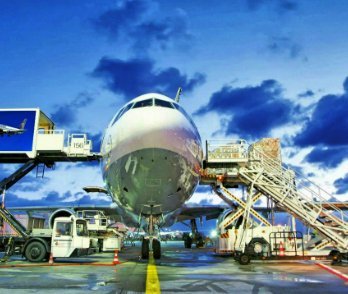
For urgent shipments, our air freight services offer fast and secure delivery into Luanda Quatro de Fevereiro Airport. We arrange dependable airline capacity and priority handling for time-sensitive goods.

Our door-to-door solution includes supplier pickup anywhere in China, export documentation, freight movement, customs processing, and final delivery across Angola’s commercial and industrial regions.

For smaller shipments or those sourced from multiple suppliers, our LCL service provides a flexible and cost-efficient solution. We consolidate cargo at major China hubs, maintain organized storage, and coordinate scheduled departures to Angola. Upon arrival, we manage deconsolidation and prepare goods for pickup or inland transportation. This approach offers importers consistent transit times, improved cost control, and professional handling throughout the logistics chain.
Efficient supplier pickup across China with well-coordinated inland trucking.
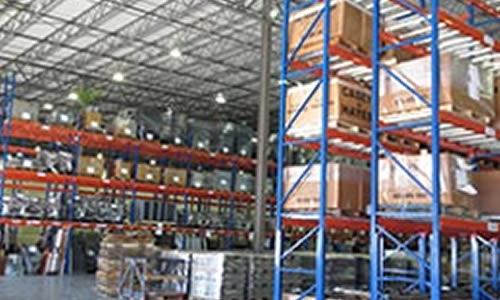
Secure, flexible warehousing to support consolidation and staging before shipment.
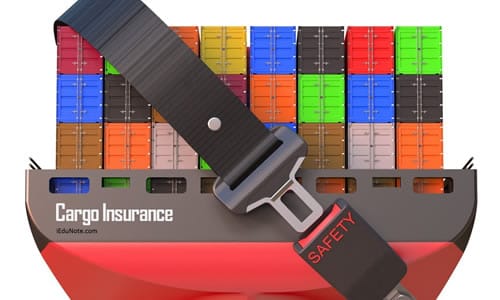
Comprehensive insurance protection safeguarding goods throughout international transit.

Expert assistance with China export formalities and Angola import procedures.
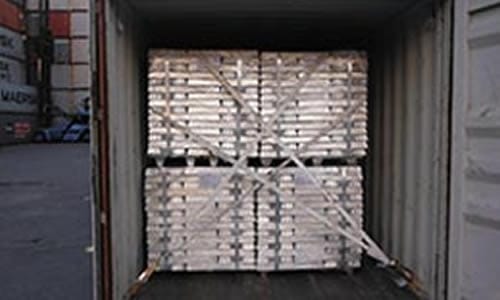
Detailed supervision during container loading to ensure safe packing and cargo integrity.
Sea freight from China to Angola typically takes between 30 to 45 days. The duration can vary depending on the shipping route, weather conditions, and whether there are any transshipment stops. Sea freight is cost-effective but slower compared to other methods.
Air freight from China to Angola usually takes about 7 to 10 days. This method is much faster than sea freight but comes with higher costs, making it suitable for urgent shipments.
The major ports in Angola include the Port of Lobito and the Port of Luanda. The Port of Lobito is crucial for trade, while the Port of Luanda, being the capital city port, handles a significant volume of import and export goods.
Currently, there is no direct railway route from China to Angola. Although China’s rail network is extensive, goods are typically transported to other ports and then shipped by sea to Angola.
Angola primarily imports consumer goods, machinery, and raw materials. Its main exports include oil, diamonds, timber, and other mineral resources, which are key to its economy.
Goods from China to Angola often pass through transshipment ports such as Singapore, Dubai, or South Africa. These ports serve as crucial hubs to optimize shipping routes and reduce costs.
Sea freight costs from China to Angola vary depending on the shipping company, type of cargo, and volume. Generally, costs range from $200 to $500 per ton. For exact rates, consulting with logistics providers is recommended.
Angola imposes customs duties on imported goods, with rates varying by product category. Duties generally range from 10% to 30%, and there may also be VAT and other taxes.
Required documents for importing goods into Angola typically include a commercial invoice, packing list, bill of lading, certificate of origin, and possibly an import license. Specific requirements may vary by product type and destination.
Common challenges include underdeveloped infrastructure, slow customs processes, and high logistics costs. Limited road and port facilities can impact delivery speed, so thorough planning is essential for smooth logistics.
Operations deal with the way the vehicles are operated, and the procedures set for this purpose, and policies. In the transport industry, operat ions and ownership of infrastructure can be either country.