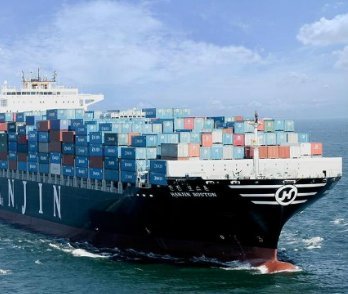
Shipping from China to Australia

Shipping cargo from China to Australia requires strategic planning across long-distance sea routes and air corridors, coupled with efficient customs management. Partnering with TJ Freight, businesses benefit from tailored logistics solutions that ensure secure cargo handling, real-time tracking, and timely delivery from China’s manufacturing hubs to Sydney, Melbourne, Brisbane, Perth, and other major commercial centers. Every shipment is carefully structured to optimize transit time, cost, and compliance with Australian import regulations.
Services

What we do

Services

img

Sea Freight From China To Australia

TJ Freight coordinates FCL and LCL ocean freight to key Australian ports including Sydney, Melbourne, and Fremantle. We manage container loading, export documentation, and inland delivery to warehouses and industrial zones.Our sea freight solutions are reliable, cost-effective, and tailored to handle both large-scale and smaller shipments.
img

Air Freight From China To Australia

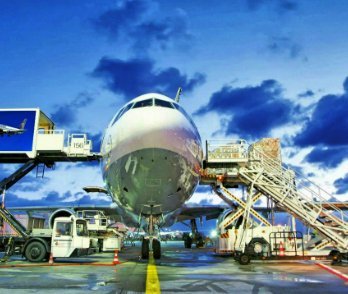
Air freight into Sydney, Melbourne, or Brisbane airports ensures fast and secure delivery for urgent or high-value cargo. TJ Freight handles flight coordination, customs compliance, and secure cargo management.Air freight is ideal for perishable goods, electronics, or priority shipments that demand quick turnaround.

img

DOOR TO DOOR SHIPPING from China To Australia

TJ Freight’s door-to-door service integrates supplier pickup in China, export clearance, and final delivery anywhere in Australia. Sea and air transport are coordinated for seamless transit.Clients enjoy end-to-end logistics solutions with predictable schedules and minimal administrative effort.

FCL Shipping from China To Australia

Full Container Load (FCL) provides dedicated container space for large shipments. TJ Freight ensures secure loading, proper weight distribution, and compliance with international shipping standards. FCL is suitable for machinery, electronics, textiles, and consumer goods. Port handling and inland delivery are coordinated for timely arrival across Australia.FCL guarantees safe and reliable delivery for high-volume shipments.


LCL Shipping from China To Australia

Less than Container Load (LCL) allows smaller consignments to share a container efficiently. TJ Freight manages consolidation, palletizing, labeling, and customs clearance with real-time tracking.LCL provides flexible, cost-effective solutions for small batches, mixed cargo, or high-value items requiring careful handling.
Features

More Services Shipping from China To Australia

img

Pickup and Delivery

Supplier pickup in China with secure delivery to Sydney, Melbourne, Brisbane, Perth, and other cities.
img

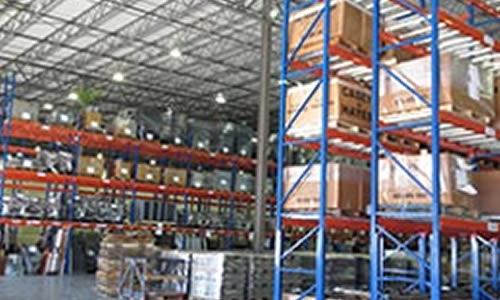
Warehousing

Flexible storage and consolidation to optimize transit and handling.
img

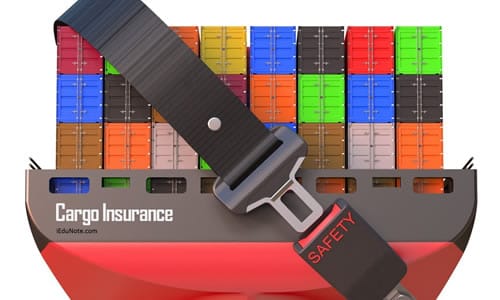
Cargo Insurance

Comprehensive coverage for sea, air, and inland transport.

img

Custom Clearance

Documentation and regulatory support for Australian customs.
img

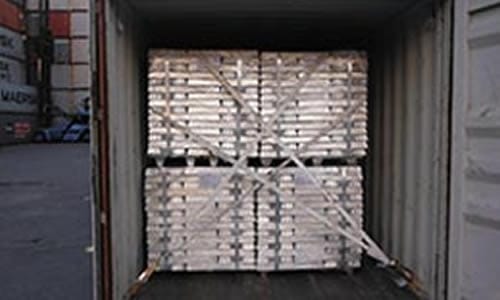
Loading Inspection

Supervised packaging and container handling to prevent damage.

Here We Are

GET ANYTYPE QUOTE FROM HERE.

Your Best Freight Forwarder from China to Australia

  • Reliable ocean freight via Sydney, Melbourne, and Fremantle ports, with integrated inland transport.
  • Fast air freight into Sydney, Melbourne, and Brisbane airports for urgent shipments.
  • Professional management of China export-clearance and Australian customs.
  • Tailored warehousing and cargo staging for machinery, electronics, textiles, and consumer goods.
  • Supervised container loading to maintain cargo integrity.
  • Coordinated supplier pickup from China’s main production hubs.
  • 24/7 professional support with real-time tracking and proactive updates.
What customers also want to know

Professional Shipping from China to Australia: The Ultimate FAQ Guide

Shipping time from China to Australia varies based on transport modeport efficiency, and logistics provider expertise. Sea freight takes 30–40 days (cost-effective for bulk goods), while air freight delivers in 5–7 days (ideal for urgent/high-value items). Customs delays, biosecurity checks, and seasonal weather can further impact transit times.
To reduce delays:
  1. Choose air freight for urgent shipments (e.g., medical supplies, electronics).
  2. Opt for express services with pre-cleared customs documentation.
  3. Partner with a logistics provider offering priority handling and real-time tracking.
  4. Ensure compliance with Australian biosecurity regulations to avoid quarantine holds.
  • Air freight is 3–5x pricier but guarantees speed and security.
  • Sea freight is budget-friendly for large/heavy items (e.g., machinery, furniture).
  • Pro Tip: Use air freight for small high-value goods (e.g., jewelry, tech) and sea freight for bulk orders.

Customs regulations can impact shipping times due to inspections, documentation requirements, and compliance checks. Specifically, incomplete or incorrect paperwork often causes delays. To prevent such issues, ensuring accurate documentation and compliance with Australian import regulations minimizes hold-ups at customs.

Challenges include navigating customs regulations, managing transit delays, dealing with packaging and handling issues, and fluctuating shipping costs. Additionally, weather conditions and geopolitical factors can affect delivery times. Proper planning, choosing reliable shipping partners, and understanding the regulations can help mitigate these challenges.

Tracking technology allows for real-time monitoring of shipments, providing updates on location, status, and estimated delivery times. This transparency helps in managing expectations, addressing issues promptly, and improving overall shipping efficiency. It also facilitates better communication between shippers and recipients.

Freight forwarders offer expertise in logistics, helping clients navigate complex customs regulations and providing access to global carrier networks. Moreover, they optimize shipping routes, handle documentation, and offer consolidated options to reduce costs. By leveraging their experience, they ensure smoother, more efficient processes from origin to destination.

Seasonal factors like peak holidays or monsoon seasons often disrupt shipping schedules. For instance, increased demand during peak seasons may extend processing times and cause port congestion. Additionally, extreme weather—such as storms or heavy rains—can halt maritime/air operations. To mitigate these risks, plan shipments during off-peak periods and monitor weather forecasts to avoid delays.

To ensure safe delivery, use durable packaging materials appropriate for the type of goods being shipped. Fragile items should be well-padded, and heavy or bulky items should be securely packed to prevent damage. Proper labeling and adherence to international shipping standards also help in smooth handling and delivery.

The shipping route significantly impacts delivery time, primarily due to distance and logistical efficiency. For instance, direct routes bypass intermediate stops, reducing transit times compared to multi-port routes. To optimize delivery speed, choose routes with fewer transshipments and avoid congested ports like Sydney or Buenos Aires, where delays are common.

Don’t Take Our Words for it

Listen to What Our Clients Say about Our Freight Forwarding Service

Features Availability

Operations deal with the way the vehicles are operated, and the procedures set for this purpose, and policies. In the transport industry, operat ions and ownership of infrastructure can be either country.

Warleman Joliues
Co-Founder Carion ltd

Code Quality

Operations deal with the way the vehicles are operated, and the procedures set for this purpose, and policies. In the transport industry, operat ions and ownership of infrastructure can be either country.

Sakira K. Lilliam
Ceo of Axone

Design Quality

Operations deal with the way the vehicles are operated, and the procedures set for this purpose, and policies. In the transport industry, operat ions and ownership of infrastructure can be either country.


Jon D. William
Founder of Mixbix