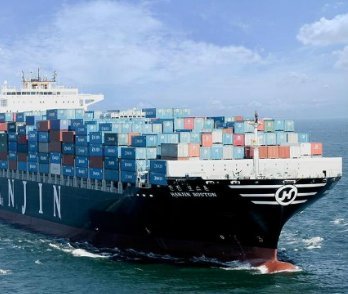
TJ Freight provides dependable FCL and LCL ocean freight via major EU ports such as Hamburg, Rotterdam, and Genoa, with onward inland trucking into Austria. We manage container loading, export documentation, sailing schedules, and overland transport to ensure cost-effective and consistent maritime delivery.
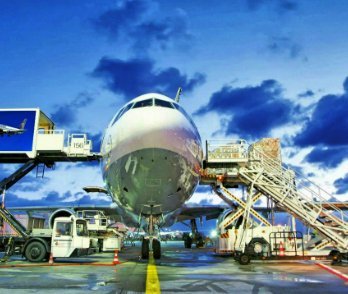
For urgent or high-value shipments, air freight into Vienna, Salzburg, or Linz airports provides fast and secure delivery. TJ Freight manages export compliance, routing, and cargo handling to meet time-sensitive requirements.

TJ Freight offers full door-to-door shipping from China to Austria, covering supplier pickup, export clearance, international transport, and final delivery. Sea, air, and inland transport options are coordinated to ensure secure cargo handling, on-time delivery, and full visibility throughout the supply chain.
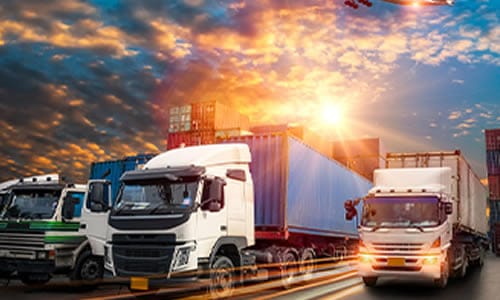
Our FCL service provides dedicated container space for large shipments. TJ Freight supervises container loading in China, ensuring proper fastening, weight balance, and compliance with international standards. Cargo enters via EU ports before inland delivery into Austria. With milestone tracking and structured documentation, FCL shipping supports industries including electronics, machinery, consumer goods, textiles, and construction materials.
For smaller or multi-supplier shipments, LCL offers flexibility and cost efficiency. TJ Freight manages consolidation, palletizing, labeling, and structured separation. We coordinate ocean schedules, customs procedures, and final delivery into Austria’s distribution network. Real-time tracking ensures smooth inventory flow for wholesalers, retailers, and e-commerce operators.
Organized supplier pickup in China with reliable delivery throughout Austria.
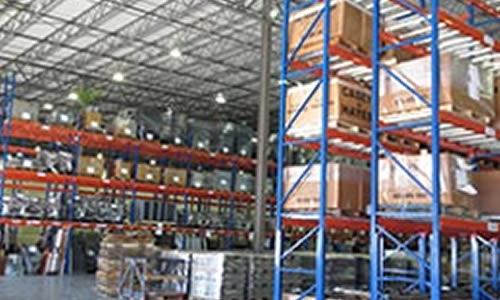
Secure EU-standard warehousing for staging, consolidation, and storage.
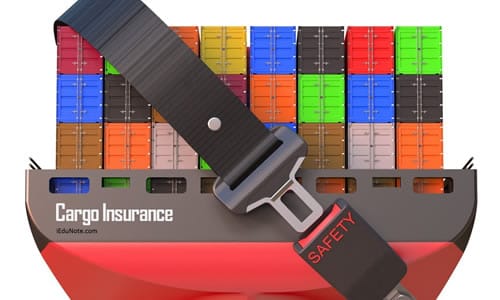
Coverage suitable for long-distance, multimodal, and high-value shipments.

Accurate export documentation and full EU customs support.
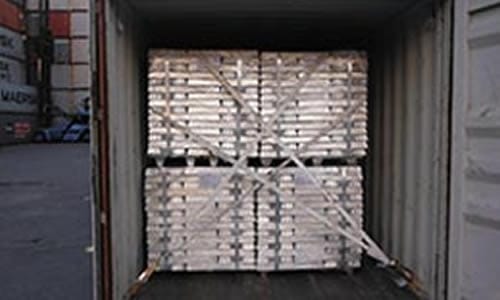
Professional supervision ensuring proper packaging, labeling, and container safety.
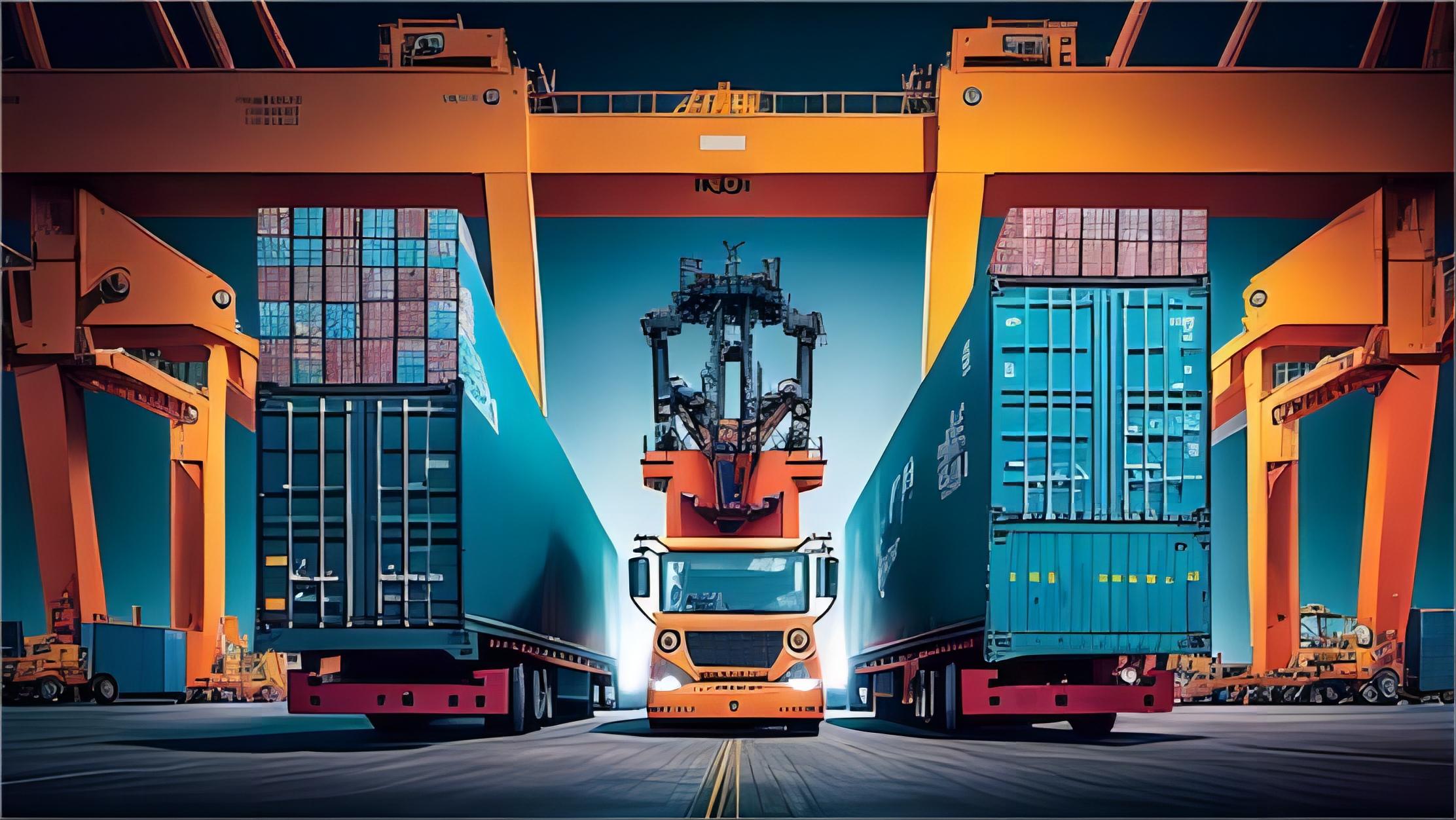
Several factors impact shipping times, including the chosen transportation mode (air, sea, rail), the route taken, customs processing times, and any delays at ports. The urgency of the shipment and weather conditions can also affect delivery schedules. Accurate shipping time estimates can be provided by freight forwarders, who will consider these factors when planning your shipment.
To track a shipment, use the tracking number provided by your freight forwarder or carrier. Most companies offer online tracking tools that allow you to monitor the shipment’s progress in real-time. Tracking systems provide updates on the location and estimated delivery time, helping you stay informed about your shipment’s status.
Customs requirements include proper documentation such as invoices, packing lists, and certificates of origin. Compliance with Austria's import regulations and tariffs is crucial. Ensure all documents are accurate and complete to avoid delays. Consulting with a customs broker can help navigate complex regulations and ensure smooth customs clearance.
Shipping costs depend on various factors including the size and weight of the shipment, the chosen shipping method, and the distance between the origin and destination. Air freight is generally more expensive than sea freight. Additional costs might include customs fees, insurance, and handling charges. Request quotes from different freight forwarders to compare costs.
Sea freight is generally more cost-effective for large or heavy shipments compared to air freight. It can accommodate bulkier loads and is suitable for non-urgent deliveries. While slower, sea freight provides a more economical option for businesses looking to reduce shipping expenses.
Ensure protection by using robust packaging materials and securing the goods properly. Consider insurance coverage for high-value items. Collaborate with reputable freight forwarders who have established safety protocols. Implement security measures such as seals and tracking systems to monitor the shipment throughout its journey.
Essential documents include a commercial invoice, packing list, bill of lading or air waybill, and certificate of origin. Depending on the nature of the goods, additional certificates or permits may be required. Accurate and complete documentation ensures smooth customs processing and avoids delays.
Adverse weather conditions such as storms, heavy rain, or snow can delay both air and sea transport. These conditions can impact port operations, flight schedules, and transit times. It’s advisable to account for potential weather-related delays when planning your shipment and consult with your freight forwarder for updates.
Risks include damage, loss, or theft of goods. To mitigate these, use high-quality packaging, secure adequate insurance coverage, and choose reliable freight forwarders. Implementing tracking systems and regular communication with your freight provider also helps in managing and mitigating risks effectively.
A reliable freight forwarder enhances shipping efficiency by managing logistics, ensuring compliance with regulations, and providing accurate tracking information. They can offer insights into the best shipping methods, optimize routes, and handle customs procedures, leading to smoother and more timely deliveries.
Operations deal with the way the vehicles are operated, and the procedures set for this purpose, and policies. In the transport industry, operat ions and ownership of infrastructure can be either country.