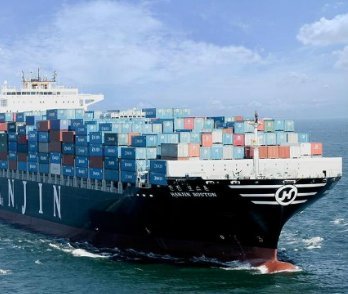
TJ Freight provides reliable FCL and LCL ocean freight via Chittagong and Mongla ports. Container loading, export documentation, sailing schedules, and inland trucking are fully managed to ensure cost-effective, dependable delivery.

For urgent or high-value shipments, air freight into Dhaka or Chittagong airports ensures fast and secure delivery. TJ Freight handles routing, export compliance, and cargo management for time-sensitive shipments.

TJ Freight offers full door-to-door shipping from China to Bangladesh, covering supplier pickup, export clearance, international transport, and final delivery. Sea, air, and inland transport are coordinated to guarantee secure handling and on-time delivery.

Flexible and cost-efficient for smaller shipments. TJ Freight manages consolidation, palletizing, labeling, and separation. Real-time tracking ensures smooth inventory flow for wholesalers, retailers, and e-commerce operators.
Organized supplier pickup in China with reliable delivery across Bangladesh.
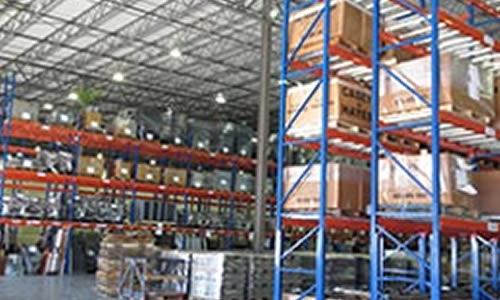
Secure staging and consolidation services for smooth transshipment.
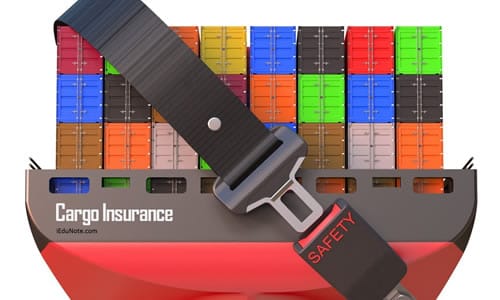
Coverage suitable for long-distance, multimodal, and high-value shipments.

Accurate documentation and full support for Bangladesh customs.
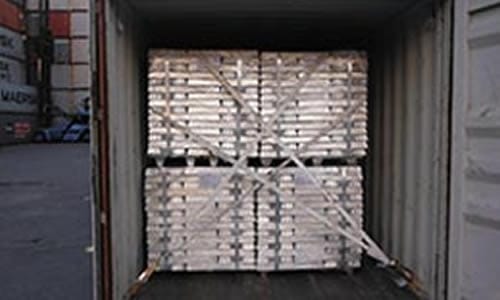
Professional supervision to ensure proper packaging, labeling, and container safety.
Shipping time from China to Bangladesh depends on transport mode, port efficiency, and customs processing. For instance, air freight takes 7–10 days to Dhaka’s Hazrat Shahjalal Airport, while sea freight to Chittagong/Mongla ports spans 15–20 days. Additionally, weather delays or documentation issues can impact transit times for both modes.
While air freight guarantees speed (7–10 days), it’s pricier for textiles or electronics. Sea freight, however, offers cost-effective solutions for bulk goods like machinery or furniture, though transit times are longer (15–20 days). Choose based on your budget and urgency—request a quote for tailored rates!
Common issues include incomplete paperwork, incorrect declared values, or non-compliance with Bangladeshi regulations (e.g., VAT, import duties). To prevent delays, ensure accurate commercial invoices, packing lists, and certificates of origin. Partner with China Top Forwarder—our local agents handle customs clearance to streamline the process.
To expedite shipments, opt for direct routes to Chittagong/Mongla ports and use our express sea freight service. Additionally, ensure all documentation is pre-approved, and partner with a reliable forwarder for priority handling. By planning ahead and selecting efficient logistics, you can reduce transit times by 3–5 days.
Once your cargo departs China, receive a tracking number via email. Monitor progress through our secure online portal or carrier platforms like COSCO/HMM for sea freight or Cathay Pacific for air freight. Real-time updates include customs status in Chittagong or Dhaka and estimated delivery to your address. Contact us for assistance with tracking!
For instance, monsoon rains in Bangladesh’s coastal regions (e.g., Chittagong) often delay sea freight, while cyclones disrupt air freight schedules to Dhaka. These conditions can disrupt port operations and extend transit times by 3–5 days. To mitigate such risks, choose carriers with weather contingency plans and partner with a forwarder for alternative route options.
For perishable goods like pharmaceuticals or fresh produce, use thermal packaging and prioritize air freight via Dhaka’s Hazrat Shahjalal Airport (3–5 days transit). Additionally, ensure compliance with Bangladesh’s Food Safety Authority regulations and work with a forwarder for temperature-controlled handling. Furthermore, real-time monitoring and customs pre-clearance minimize spoilage risks during transit.
Operations deal with the way the vehicles are operated, and the procedures set for this purpose, and policies. In the transport industry, operat ions and ownership of infrastructure can be either country.