
As Bhutan is landlocked, sea freight is combined with overland transport through Indian ports such as Kolkata and Haldia. TJ Freight manages FCL and LCL container loading, export documentation, sailing schedules, and inland transport to ensure cost-efficient and reliable delivery.

For urgent or high-value shipments, air freight into Paro International Airport provides fast and secure delivery. TJ Freight handles export compliance, flight routing, and cargo handling to meet time-sensitive requirements.

TJ Freight offers full door-to-door shipping from China to Bhutan, covering supplier pickup, export clearance, international transport, and final delivery. Sea, air, and overland transport are coordinated to ensure secure cargo handling, on-time delivery, and complete visibility.

Our FCL service provides dedicated container space for large shipments. TJ Freight supervises container loading in China, ensuring proper fastening, weight balance, and compliance with international standards. Cargo transits via Indian ports and inland trucking into Bhutan. Structured documentation and milestone tracking support industries including machinery, electronics, textiles, and consumer goods.
For smaller or multi-supplier shipments, LCL offers flexibility and cost efficiency. TJ Freight manages consolidation, palletizing, labeling, and structured separation. We coordinate ocean schedules, customs procedures, and inland delivery into Bhutan’s distribution network. Real-time tracking ensures smooth inventory flow for wholesalers, retailers, and e-commerce operators.
Organized supplier pickup in China with reliable delivery throughout Bhutan.
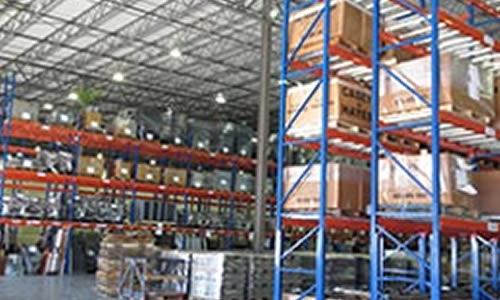
Secure staging and consolidation services for smooth transshipment.
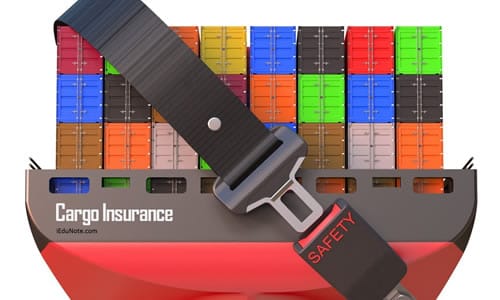
Coverage suitable for long-distance, multimodal, and high-value shipments.

Accurate export documentation and full compliance support with Bhutanese import procedures.
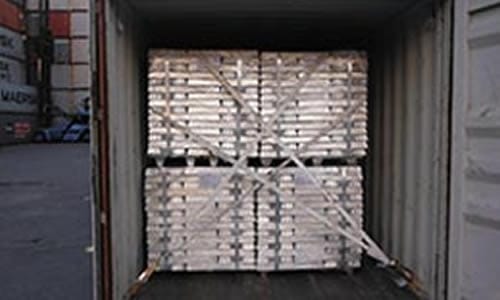
On-site supervision ensuring proper packaging, labeling, and container security.
Choosing a reliable freight forwarder involves checking their safety records, customer reviews, compliance with regulations, and overall reputation. Investigating their operational protocols and past performance can ensure that they meet high standards for safe and timely delivery.
Secure packaging involves using appropriate materials and methods to shield items from damage. Fragile items should be well-padded, and heavy cargo needs durable containers to prevent harm. This minimizes the risk of damage during the shipping process.
Insurance coverage is crucial as it protects against potential risks such as loss, theft, or damage during transportation. Having adequate insurance ensures that any financial losses are covered, providing peace of mind and financial security for valuable shipments.
Shipping goods requires compliance with both international and local regulations, including customs, safety, and environmental standards. Ensuring accurate and complete documentation prevents delays, fines, and legal issues, facilitating a smooth shipping process.
Tracking technology provides real-time monitoring of shipments, allowing for oversight of progress and prompt resolution of any issues. This transparency helps maintain control over the shipping process and ensures timely delivery of goods.
Security measures such as sealed containers, secure storage facilities, and monitoring during loading and unloading protect shipments from theft and unauthorized access. These steps are crucial in maintaining the integrity and safety of the cargo.
Conducting risk assessments helps identify potential hazards during transit. Developing contingency plans for adverse weather, transportation delays, and other risks ensures preparedness and mitigates potential disruptions, ensuring safe delivery.
Personnel should be trained in safety procedures, compliance requirements, and emergency response protocols. This includes handling hazardous materials and ensuring that all staff understand their roles in maintaining shipment safety.
Open communication with freight partners, suppliers, and recipients ensures that all parties are informed and any concerns are promptly addressed. Clear instructions and updates facilitate a smooth operation and help resolve issues quickly.
Regularly evaluating and improving safety practices based on feedback, incidents, and industry updates ensures that shipping processes remain efficient and secure. This proactive approach reduces risks and optimizes the safety and reliability of freight services.
Operations deal with the way the vehicles are operated, and the procedures set for this purpose, and policies. In the transport industry, operat ions and ownership of infrastructure can be either country.