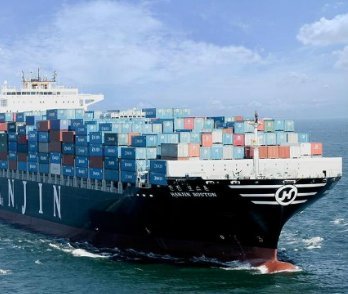
Shipping from China to Bosnia and Herzegovina requires coordinated multimodal logistics, EU-compliant customs handling, and smooth inland distribution across the Balkan region. With support from TJ Freight, businesses gain structured freight solutions that provide predictable transit times, secure cargo handling, and full visibility from origin to final delivery. From export preparation in China to customs clearance and delivery across Sarajevo, Banja Luka, Mostar, and other key commercial and industrial areas, we ensure stable and professional logistics performance.
TJ Freight provides reliable FCL and LCL ocean freight solutions via major EU ports such as Rijeka, Koper, and Trieste, with coordinated inland transport into Bosnia and Herzegovina. We manage container loading, export documentation, maritime schedules, and overland trucking to ensure cost-effective and consistent ocean delivery.
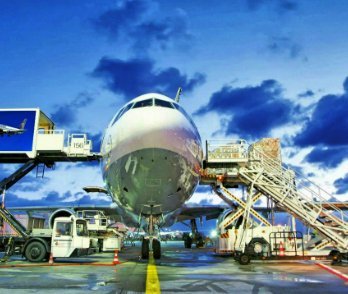
For urgent or high-value shipments, air freight into Sarajevo International Airport or nearby EU airports provides fast and secure delivery. TJ Freight handles export compliance, routing, and secure cargo handling to ensure timely arrivals for time-sensitive goods.

TJ Freight offers end-to-end door-to-door shipping from China to Bosnia and Herzegovina, covering pickup at your supplier, export clearance, international transport, and final delivery. We combine sea, air, and overland transport to ensure secure cargo handling, on-time delivery, and full visibility throughout the supply chain.
Our FCL service provides dedicated container space for large or high-volume shipments. TJ Freight supervises container loading in China, ensuring proper fastening, weight balance, and compliance with international standards. Cargo enters EU ports before overland transport into Bosnia and Herzegovina. With milestone tracking and precise documentation, FCL shipping supports industries such as machinery, electronics, construction materials, textiles, and retail goods.
For smaller or multi-supplier shipments, LCL offers flexibility and cost efficiency. TJ Freight handles consolidation, palletizing, labeling, and structured separation at major hubs. We coordinate ocean schedules, customs procedures, and final delivery into Bosnia and Herzegovina’s distribution network. Real-time tracking ensures smooth inventory flow for wholesalers, retailers, and e-commerce operators.
Organized supplier pickup in China with reliable delivery throughout Bosnia and Herzegovina.
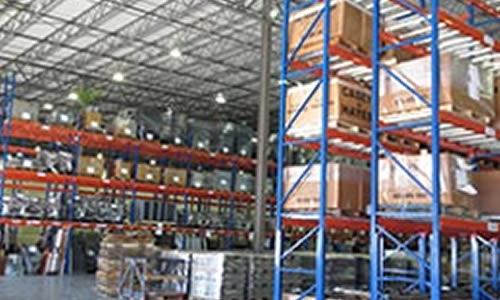
Secure EU-standard warehousing for staging, consolidation, and temporary storage.
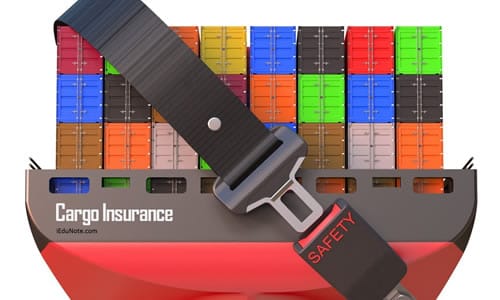
Coverage suitable for long-distance, multimodal, and high-value shipments.

Accurate export documentation with full EU-compliant import guidance.
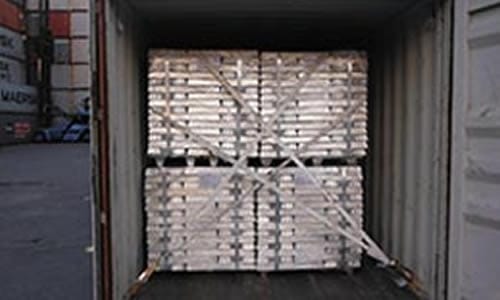
Professional supervision ensuring proper packaging, labeling, and container security.
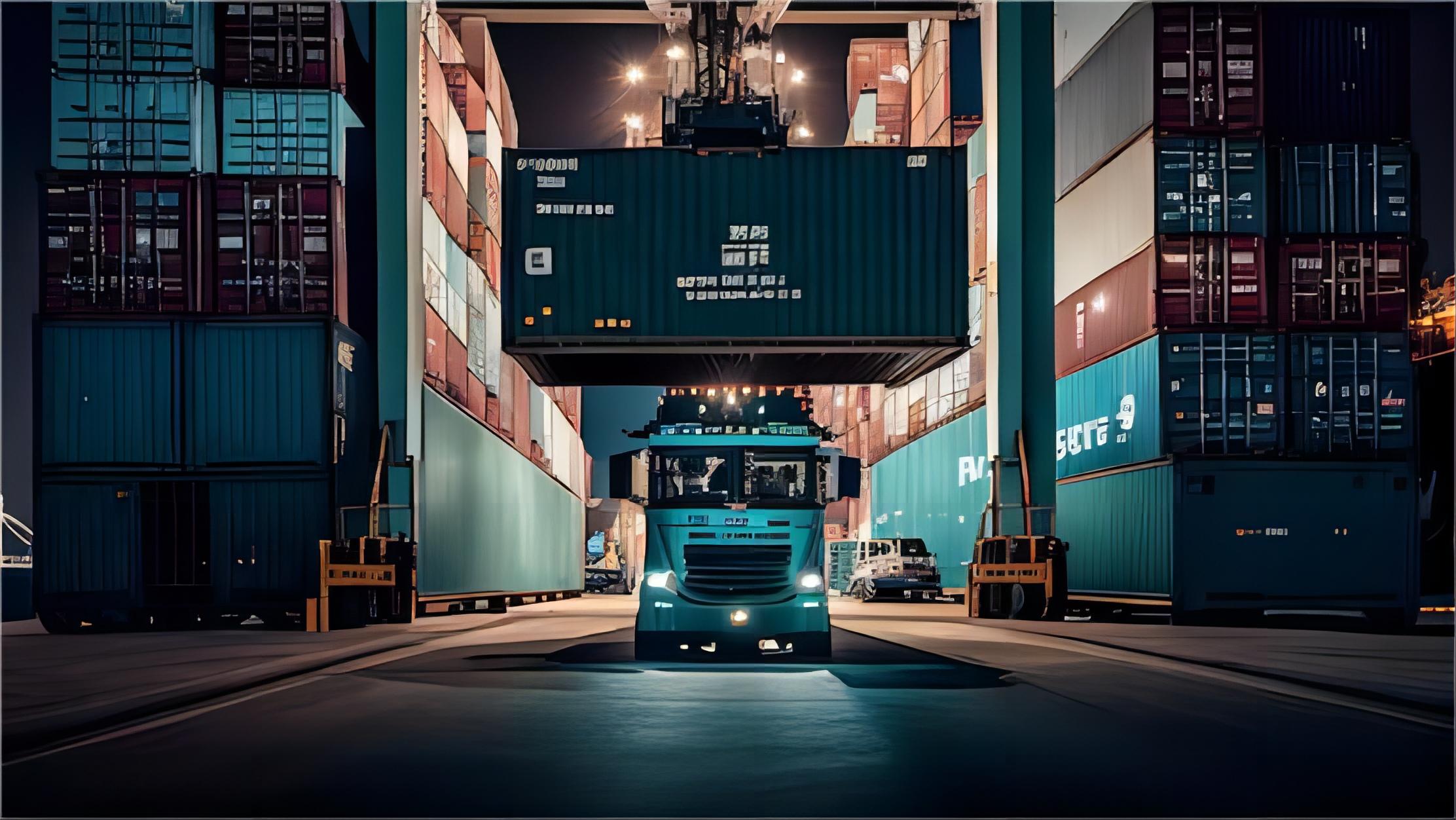
Common shipping methods from China to Herzegovina include sea freight, air freight, and rail transport. Sea freight is cost-effective for large volumes but slower, typically taking 30 to 45 days. Air freight is faster, around 7 to 14 days, ideal for urgent shipments. Rail transport is a middle ground, often used for bulk cargo with transit times varying depending on the route.
To track your shipment, use the tracking number provided by your freight forwarder or carrier. Most companies offer online tracking services on their websites or through mobile apps. This allows you to monitor the progress of your shipment in real-time, view estimated delivery times, and receive notifications about any delays or issues.
Essential customs documents for shipping to Herzegovina include the commercial invoice, packing list, bill of lading or air waybill, and certificate of origin. Ensure all documents are accurately completed and comply with local regulations to prevent delays. Additional documents may be required based on the nature of the goods and their value.
Proper packaging is crucial to protect goods during transit. Use durable, high-quality materials suited to the type of product being shipped. For fragile items, include ample cushioning. Ensure packaging is compliant with international shipping standards and labeled clearly to facilitate smooth customs clearance and handling.
Yes, Herzegovina has specific import restrictions and regulations. Prohibited items may include certain chemicals, hazardous materials, and agricultural products. It is essential to verify with local authorities or your freight forwarder to ensure compliance with all restrictions and avoid any issues during customs clearance.
Select a freight forwarder based on their experience, reliability, and reputation. Check their track record for handling shipments to Herzegovina and their ability to provide comprehensive services, including customs clearance and cargo insurance. Read customer reviews and ask for recommendations to ensure you choose a trustworthy provider.
Shipping costs depend on several factors, including the shipping method, weight and volume of the cargo, and the route taken. Additional costs may include customs duties, insurance, and handling fees. Obtain quotes from multiple freight forwarders to compare costs and choose the most cost-effective solution for your needs.
To minimize delays, ensure accurate and complete documentation, choose a reliable freight forwarder, and select the most suitable shipping method based on your urgency. Track your shipment regularly and communicate promptly with your forwarder to address any issues that may arise during transit.
If your shipment is delayed, first check the tracking information for updates. Contact your freight forwarder for an explanation and estimated resolution time. If necessary, file a claim with the carrier or insurance provider, and work with your forwarder to resolve any issues affecting the delivery.
Air freight offers several advantages over sea freight, including faster delivery times, reduced risk of damage, and lower inventory holding costs. It is ideal for high-value or time-sensitive shipments. However, it is typically more expensive than sea freight, so weigh the benefits against your budget and urgency.
Operations deal with the way the vehicles are operated, and the procedures set for this purpose, and policies. In the transport industry, operat ions and ownership of infrastructure can be either country.