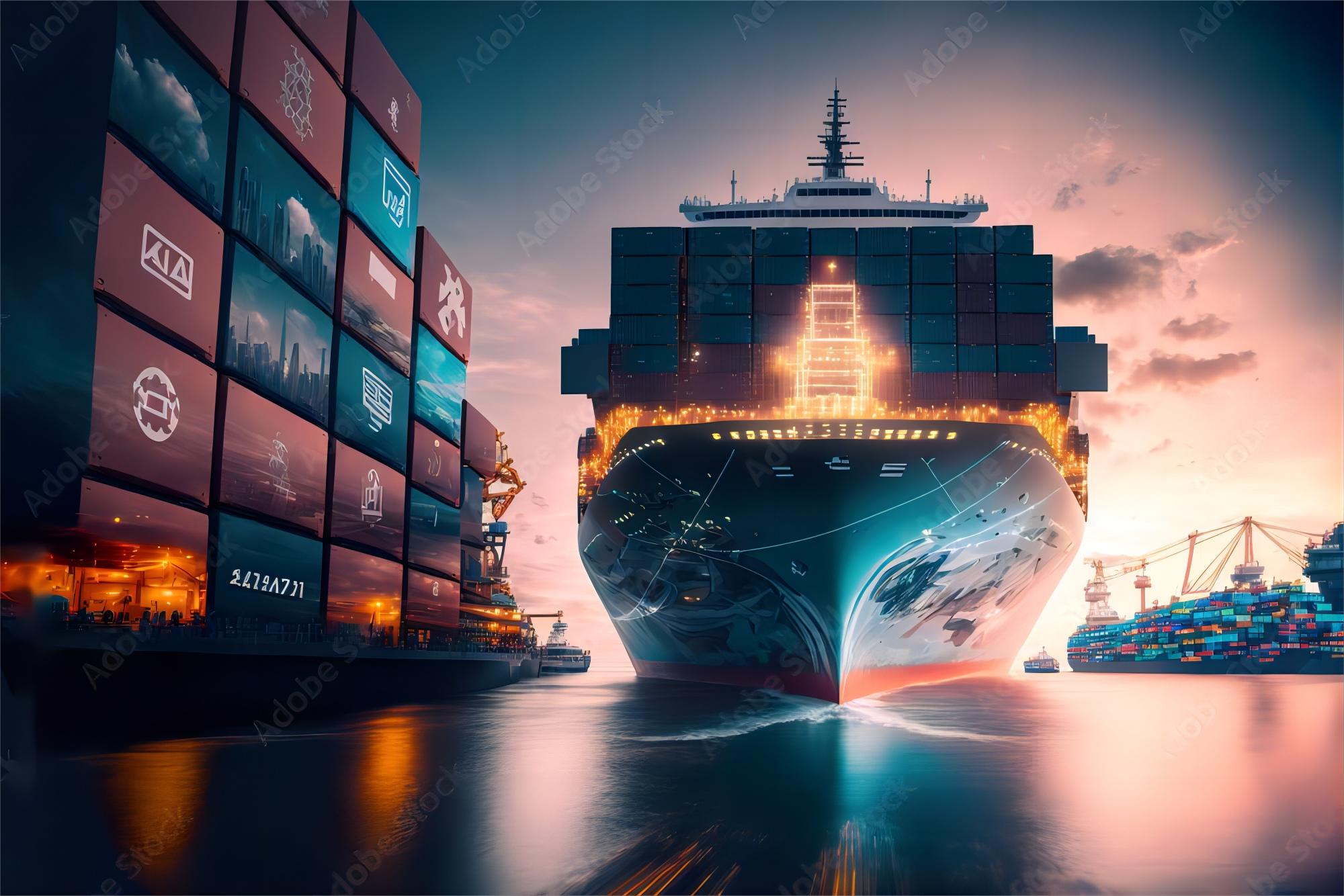
Shipping from China to Brazil requires strong coordination, efficient carrier selection, and careful handling across one of South America’s most complex import networks. With support from TJ Freight, businesses gain structured freight solutions designed for predictable delivery, secure cargo handling, and consistent performance across long Pacific and Atlantic routes. From supplier pickup and export preparation to customs documentation and nationwide distribution covering São Paulo, Rio de Janeiro, Manaus, Salvador, and inland hubs, we ensure every shipment moves with clarity, accuracy, and dependable oversight.
TJ Freight provides reliable FCL and LCL sea freight services entering Brazil through major ports such as Santos, Rio de Janeiro, Paranaguá, and Itajaí. We manage container loading, export compliance, route planning, and milestone monitoring to support consistent long-distance transit. Our team evaluates port capacity, sailing schedules, and vessel reliability to maintain stable delivery windows for Brazil-bound shipments.
For time-critical cargo, our air freight solutions ensure fast, controlled, and secure movement into major Brazilian airports, including São Paulo (GRU) and Rio de Janeiro (GIG). TJ Freight oversees export documentation, flight coordination, and cargo handling to maintain smooth processing for urgent shipments.
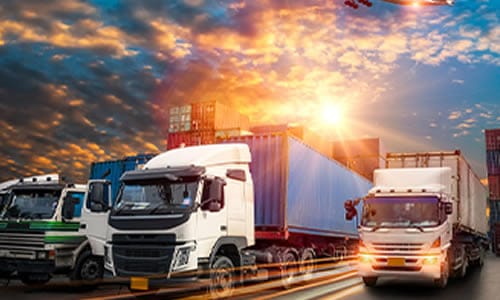
Our door-to-door service covers pickup, export preparation, freight transport, customs advisory, and final delivery. With DDP and DDU options, TJ Freight simplifies end-to-end logistics, minimizing administrative workload for companies shipping directly into Brazil’s urban and industrial centers.
Our FCL service is built for medium to large shipments requiring container exclusivity, strong cargo protection, and steady routing across long-haul intercontinental lanes. TJ Freight supervises container loading at origin, ensuring secure fastening, proper weight balance, and compliance with international standards. We evaluate voyage duration, transshipment options, carrier performance, and port congestion trends in Santos and other hubs to protect overall transit reliability. With clear milestone tracking, documentation control, and responsive communication, our FCL solution provides predictable supply chain performance for Brazil’s extensive commercial, industrial, and consumer markets.
For multi-supplier sourcing or small-volume imports, our LCL consolidation service offers flexibility, cost efficiency, and strong handling standards. TJ Freight manages receiving, verification, palletizing, labeling, and structured cargo separation in our consolidation hubs. We coordinate sailing frequency, transshipment paths, and schedule integrity to minimize delays during the China–Brazil journey. With transparent documentation and steady status updates, our LCL solution supports regular replenishment cycles for retailers, distributors, and companies managing diversified sourcing channels.
Coordinated origin pickup and structured delivery across Brazil’s major regions.
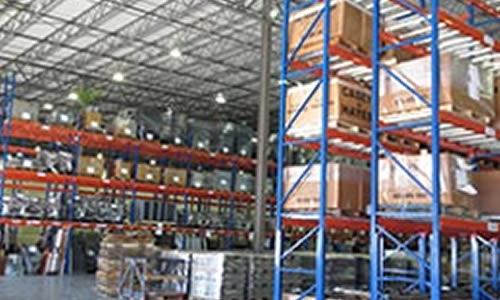
Secure storage, consolidation, and dispatch planning for mixed shipments.
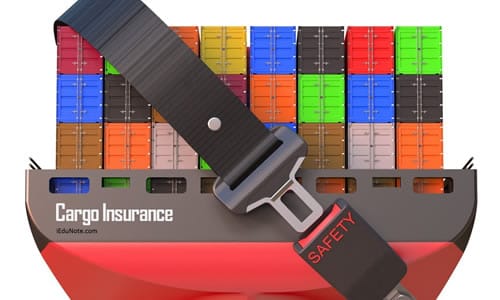
Coverage designed for long-distance, high-value, or sensitive cargo.

Support for documentation accuracy and Brazil’s detailed customs procedures.
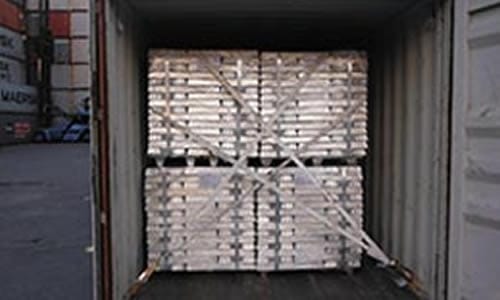
Verification of packing quality, container readiness, and labeling compliance.
Air freight from China to Brazil usually takes between 7 and 15 days. This includes the time required for customs clearance, flight duration, and transportation to the final destination. Air freight is significantly faster than sea freight, which can be beneficial for time-sensitive shipments.
Sea freight from China to Brazil typically takes around 30 to 45 days. This time frame accounts for the entire journey, including loading and unloading, and potential delays. Sea freight is more economical but slower compared to air freight.
Opt for LCL (Less-than-Container Load) sea freight for small batches, leverage freight forwarders’ bulk discounts, and avoid peak seasons (November–December).
Yes, shipping times can be expedited using express air freight services. These services prioritize speed, potentially reducing delivery times to as little as 7 to 10 days, but they come at a higher cost compared to standard shipping options.
Necessary documents include commercial invoice, packing list, bill of lading, Certificate of Origin (Form E), import license (RNE), and ANATEL certification for electronics.
Major ports in China for shipping to Brazil include Shanghai, Shenzhen, and Ningbo. In Brazil, key ports include Santos, Rio de Janeiro, and Itajaí. The choice of port can impact the overall shipping time and cost.
Taxes depend on HS code (average 10–35%). Check rates via SECEX’s official website before shipping.
When deciding between air and sea freight, consider factors such as urgency, cost, and shipment size. Air freight is faster but more expensive, while sea freight is more economical but slower. Your decision will depend on your specific shipping needs.
Ensure accurate NCM codes, use DDP (Delivered Duty Paid) shipping (freight forwarder handles taxes), and choose forwarders experienced in Brazil’s complex clearance process.
Track your cargo using your freight forwarder’s online portal, B/L (Bill of Lading) number, or blockchain tracking tools for real-time updates. Most providers offer 24/7 visibility from factory pickup to delivery in Brazil.
Operations deal with the way the vehicles are operated, and the procedures set for this purpose, and policies. In the transport industry, operat ions and ownership of infrastructure can be either country.