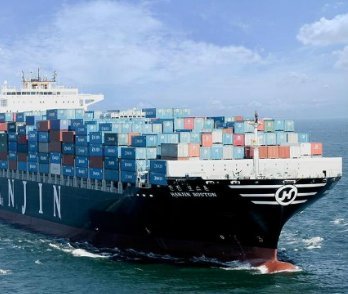
TJ Freight provides reliable FCL and LCL ocean freight via Cambodia’s main ports, including Sihanoukville and Phnom Penh. We manage container loading, export documentation, sailing schedules, and inland transport to ensure cost-effective and consistent maritime logistics.
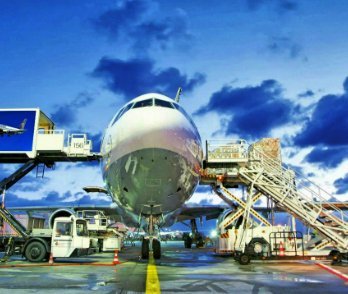
For urgent or high-value shipments, air freight into Phnom Penh International Airport or Siem Reap International Airport ensures fast and secure delivery. TJ Freight handles export compliance, flight routing, and cargo handling for time-sensitive shipments.

TJ Freight offers complete door-to-door shipping from China to Cambodia, covering supplier pickup, export clearance, international transport, and final delivery. Sea, air, and inland transport are coordinated to ensure secure cargo handling, on-time delivery, and full shipment visibility.
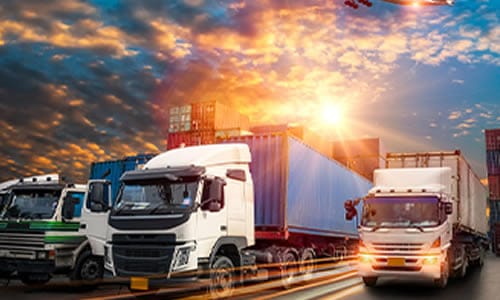
Our FCL service provides dedicated container space for large shipments. TJ Freight supervises container loading in China, ensuring proper fastening, weight balance, and compliance with international standards. Cargo enters Cambodian ports before inland delivery. Structured documentation and milestone tracking support industries including electronics, machinery, textiles, consumer goods, and construction materials.
For smaller or multi-supplier shipments, LCL offers flexibility and cost efficiency. TJ Freight manages consolidation, palletizing, labeling, and structured separation. We coordinate ocean schedules, customs procedures, and final delivery into Cambodia’s distribution network. Real-time tracking ensures smooth inventory flow for wholesalers, retailers, and e-commerce operators.
Organized supplier pickup in China with reliable delivery throughout Cambodia.
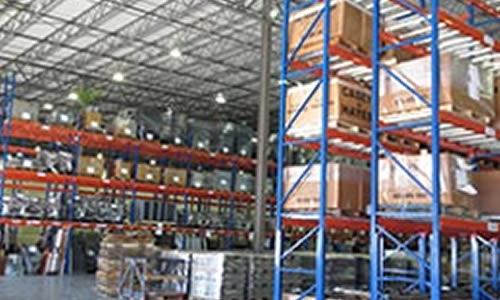
Secure staging and consolidation services for smooth transshipment.
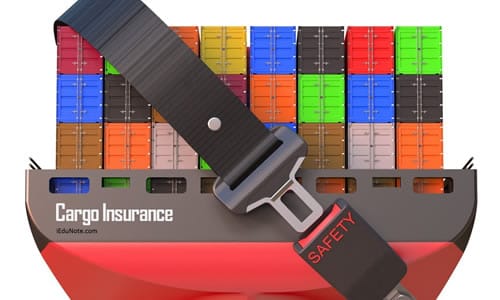
Coverage suitable for long-distance, multimodal, and high-value shipments.

Accurate export documentation and full Cambodia customs support.
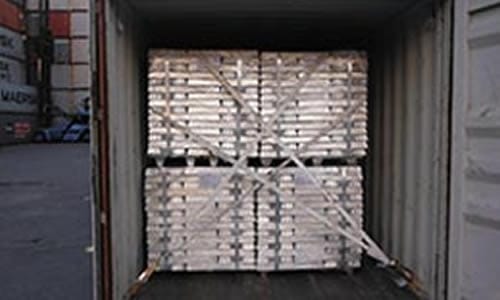
Professional supervision ensuring proper packaging, labeling, and container safety.
Express air freight usually delivers within 1 to 3 days. Major carriers such as DHL, FedEx, and UPS offer expedited services that ensure quick transit times for urgent shipments.
Regular air freight is significantly faster than sea freight, typically taking 4 to 7 days for delivery. Sea freight can take several weeks, making air freight the preferred choice for quicker deliveries.
International courier services provide rapid delivery, door-to-door service, and real-time tracking. They are ideal for small parcels and documents, offering transit times of 1 to 4 days depending on the service level.
Charter flights should be considered for highly urgent shipments or high-volume cargo. They offer the fastest delivery times and can be scheduled to meet specific timing requirements, though they are often more expensive.
Express rail freight is a faster rail shipping option that delivers goods in approximately 7 to 10 days. It is used for time-sensitive shipments where air freight may not be feasible, offering a balance between speed and cost.
Shipping costs are influenced by factors such as shipment size, weight, delivery speed, and chosen method (air, sea, or rail). Additional costs may include customs fees, insurance, and fuel surcharges.
Most shipping services offer tracking options through their websites or apps. By entering the tracking number provided at shipment, you can monitor the progress and receive updates on your shipment’s status.
Customs requirements include providing accurate documentation, such as invoices and packing lists. Ensure compliance with Cambodian import regulations, including tariffs, taxes, and product-specific restrictions.
Yes, some shipping solutions offer combined air and sea freight services. These options, known as “air-sea” or “sea-air” freight, balance speed and cost by using air freight for part of the journey and sea freight for the rest.
Consider factors such as delivery speed, cost, shipment size, and urgency. For fast delivery, express air freight is ideal, while sea freight is more economical for non-urgent shipments. Ensure the chosen method meets your specific needs.
Operations deal with the way the vehicles are operated, and the procedures set for this purpose, and policies. In the transport industry, operat ions and ownership of infrastructure can be either country.