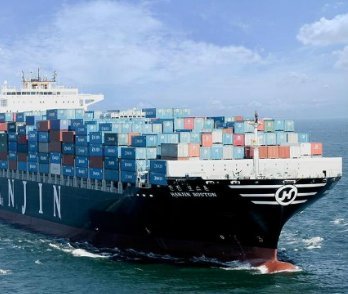
Although landlocked, CAR relies on seaports in Cameroon and Congo for imports. TJ Freight coordinates FCL and LCL shipments to these ports and manages inland transport into Bangui and other regions, ensuring seamless transit.
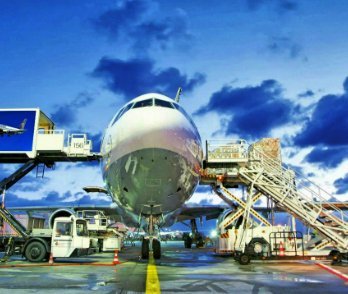
For urgent or high-value cargo, air freight into Bangui M’Poko International Airport provides fast and secure delivery. TJ Freight handles flight scheduling, customs compliance, and cargo supervision.

Our door-to-door service integrates supplier pickup in China, export processing, and final delivery anywhere in CAR. Sea and air transport are fully coordinated for a seamless, fully managed logistics experience.
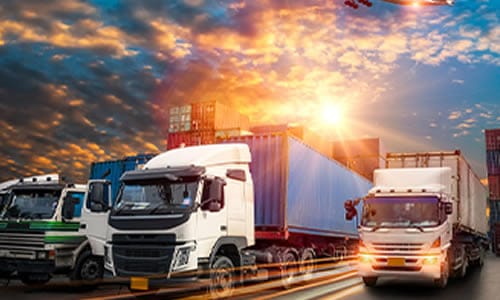
Full Container Load (FCL) provides dedicated container space for large-volume shipments. TJ Freight ensures secure packing, proper weight distribution, and international compliance. FCL is ideal for machinery, electronics, textiles, and consumer goods, with coordinated delivery to warehouses or distribution hubs across CAR.
Less than Container Load (LCL) allows multiple small consignments to share container space efficiently. TJ Freight manages consolidation, palletizing, labeling, and customs clearance with real-time tracking. LCL is suitable for small batches, mixed cargo, or high-value items requiring careful handling.
Supplier collection in China with secure transport via neighboring ports to Bangui, Berbérati, and surrounding regions.
Temporary storage and consolidation for streamlined logistics.
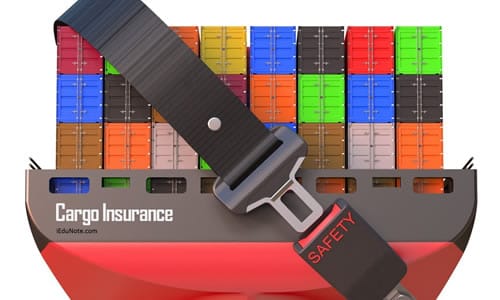
Full coverage for sea, air, and multimodal shipments.

Full documentation and regulatory support for CAR authorities.
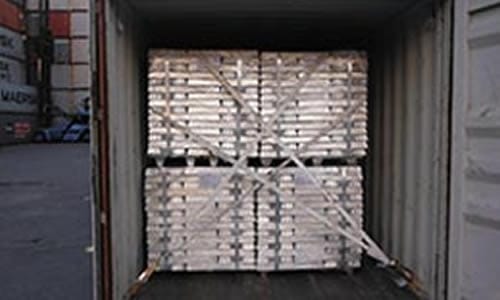
Professional oversight to protect cargo integrity.
Sea freight is generally less expensive than air freight due to its larger capacity and longer transit time, making it suitable for bulk shipments. Air freight costs more but is faster, making it ideal for urgent or smaller shipments.
The Central African Republic is a landlocked country and does not have seaports. The nearest major ports are Douala in Cameroon and Libreville in Gabon. Shipments typically need to be transported overland or by rail from these ports.
Yes, there are logistics companies in the Central African Republic that handle domestic transportation. International shipments are usually managed through third-party logistics providers.
Yes, it is advisable to purchase transport insurance to protect against potential damage or loss during transit, especially for high-value or fragile goods.
Most international logistics companies offer tracking services. You can track your shipment's status through their websites or customer service, which provides updates on the shipment's location and estimated delivery time.
The Central African Republic's main imports include machinery, fertilizers, and consumer goods. Its primary exports are timber, minerals, and agricultural products.
The customs clearance process involves providing documents such as invoices, packing lists, and shipping contracts. Once the goods arrive in the Central African Republic, customs duties and VAT must be paid, and necessary inspections and certifications completed.
The road infrastructure in the Central African Republic is relatively underdeveloped, with many areas having poor road conditions, especially during the rainy season, which can affect transport times and safety.
Major logistics hubs near the Central African Republic include the ports in Douala, Cameroon, and Libreville, Gabon. These hubs serve as key points for the transfer of goods into and out of the landlocked country.
Common goods shipped from China to the Central African Republic include electronics, machinery, textiles, and construction materials. These goods are often required for infrastructure projects and local industries.
Yes, we provide door-to-door services, including pickup, transportation, customs clearance, and final delivery to your address in Central African Republic.
Yes, we provide real-time tracking for all shipments, allowing you to monitor your cargo from pickup in China to delivery in Central African Republic.
Operations deal with the way the vehicles are operated, and the procedures set for this purpose, and policies. In the transport industry, operat ions and ownership of infrastructure can be either country.