TJ Freight offers reliable FCL and LCL sea freight services connecting China with Colombia’s Caribbean and Pacific port gateways, including Cartagena, Barranquilla, Buenaventura, and Santa Marta. We manage container loading, export documentation, route planning, and schedule monitoring to ensure consistent transit and smooth port handling.
For urgent shipments, our air freight solutions provide fast and controlled transport into major Colombian airports such as Bogotá (BOG) and Medellín (MDE). TJ Freight coordinates export procedures, flight routing, and safe cargo handling to support time-sensitive or high-value movement.
Our door-to-door service includes pickup, export preparation, international freight movement, customs assistance, and final delivery. With DDP and DDU options, TJ Freight simplifies end-to-end operations for companies shipping directly into Colombia’s major cities and industrial centers.
Our FCL service is suited for medium to large shipments requiring dedicated container space, strong cargo safety, and stable long-distance routing. TJ Freight manages container loading at origin, verifying securing, weight distribution, and compliance with global freight standards. We analyze voyage duration, potential transshipment points, and port efficiency at Cartagena and Buenaventura to maintain consistent schedules. With milestone tracking, accurate documentation handling, and responsive communication, our FCL service supports predictable supply chain performance for Colombia’s expanding retail, manufacturing, mining, and tech industries.
For smaller or multi-supplier orders, our LCL service delivers flexibility and cost efficiency without compromising handling quality. TJ Freight manages receiving, inspection, palletizing, labeling, and systematic cargo separation within consolidation hubs. We coordinate sailing frequencies, transshipment timing, and documentation accuracy to reduce delays along the China–Colombia corridor. With real-time updates and structured oversight, our LCL solution supports consistent replenishment and inventory planning for distributors and retailers across Colombia.
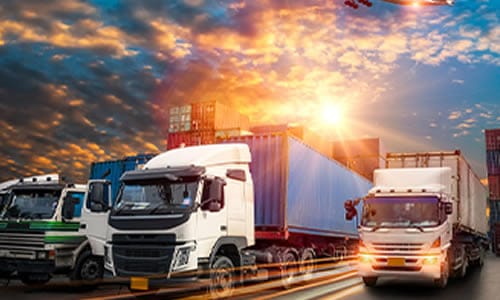
Pickup throughout China with structured delivery across Colombia.
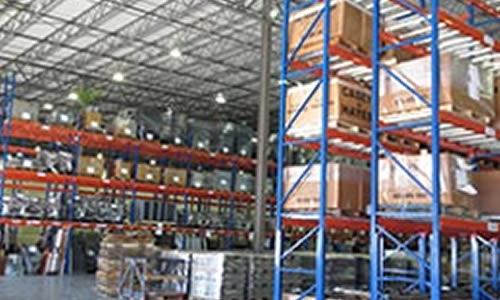
Secure storage and consolidation to support multi-supplier shipments.
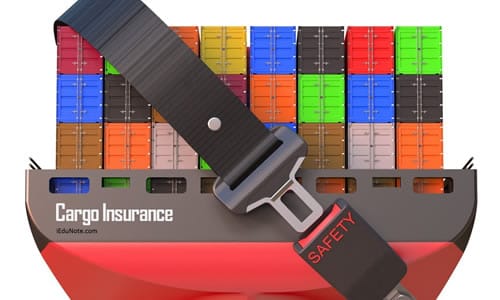
Coverage designed for long-distance and regional logistics risks.
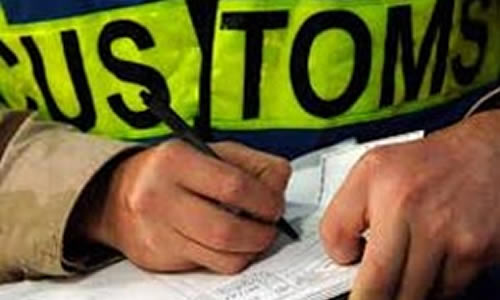
Export accuracy and guidance for Colombian customs requirements.
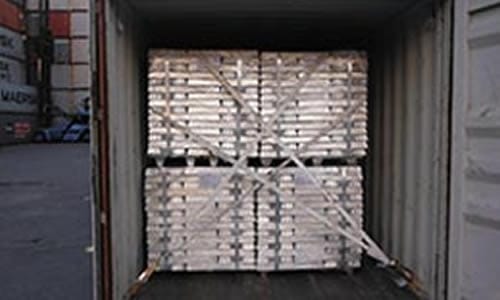
Verification of packaging quality, labeling, and container condition.
For big or non-urgent items, sea freight is your best bet. Prices start lower than air freight, and transit times are around 25–35 days. Air freight is faster (5–7 days to Bogotá) but pricier.
Sea: 25–35 days to ports like Cartagena/Buenaventura. Air: 5–7 days to Bogotá. DHL/UPS couriers take 3–5 days for small packages.
You’ll need an invoice, packing list, B/L, and Certificate of Origin (Form E). Electronics need CE certification, and food/medicine needs INVIMA approval.
Use a freight forwarder who knows Colombia’s rules. Double-check HS codes and declare everything honestly. Partner with someone who handles pre-clearance.
Duties vary by product (0–35%), plus 19% VAT on the total cost (including shipping). Luxury items might get hit harder.
Yes! LCL (shared container) lets you mix goods from multiple suppliers. It’s cost-effective for Mercado Libre sellers.
Choose a door-to-door service. They’ll handle pickup in China, delivery in Bogotá/Medellín, and even customs/taxes (DDP option available).
Most forwarders use real-time GPS or blockchain tracking. For air freight, check IATA’s Cargo 2000 system for updates.
Yes! Look for forwarders with temperature-controlled logistics for food/pharma and IATA-certified handling for lithium batteries. Some even offer white-glove delivery for high-end goods.
Find one with Spanish-speaking agents in Bogotá, experience with CE/INVIMA certifications, and good reviews. Check if they handle free zones like Barranquilla and offer bulk discounts.
Operations deal with the way the vehicles are operated, and the procedures set for this purpose, and policies. In the transport industry, operat ions and ownership of infrastructure can be either country.