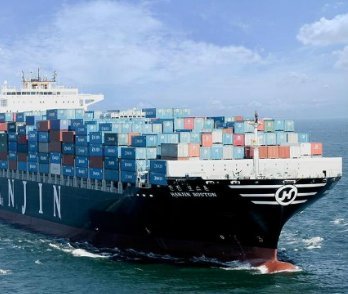
Shipping from China to Croatia requires coordinated multimodal routing, accurate EU customs procedures, and reliable access to ports and inland transit corridors across the region. With support from TJ Freight, businesses benefit from structured freight solutions offering predictable transit, secure cargo handling, and clear visibility throughout the shipment journey. From export preparation in China to customs clearance and delivery across Zagreb, Rijeka, Split, and industrial zones nationwide, we ensure smooth and dependable logistics operations.
TJ Freight provides dependable FCL and LCL ocean freight services entering Croatia primarily through the Port of Rijeka or via major EU gateways such as Koper and Trieste. We manage container loading, documentation processing, carrier coordination, and inland delivery to ensure stable and cost-effective ocean shipping.
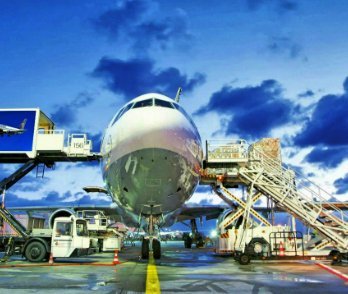
For urgent shipments, our air freight service enables fast and secure transport into Zagreb Airport or other nearby European air hubs. TJ Freight handles export paperwork, routing, and careful cargo handling to meet time-sensitive shipping requirements.

Our rail freight service offers an efficient middle-ground between sea and air transit. Shipments enter Europe through established China–Europe rail hubs, then connect to Croatia via Slovenia or Hungary. TJ Freight coordinates rail booking, customs preparation, and final domestic delivery, providing a reliable and cost-effective option for mid-priority cargo.
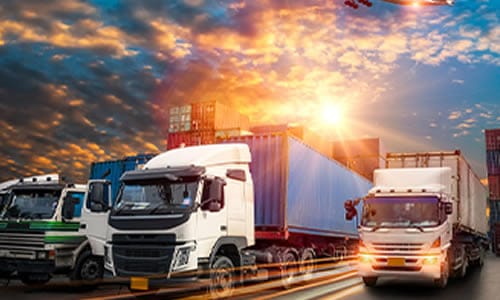
Our FCL service supports medium to large shipments that require secure, consistent long-distance transport. TJ Freight oversees container loading in China, ensuring proper fastening, weight balance, and compliance with international standards. We coordinate ocean arrival through Rijeka or EU ports, followed by efficient inland movement. With precise documentation control and milestone updates, our FCL solution supports key sectors including automotive components, machinery, consumer goods, and construction materials.
For smaller volumes or multi-supplier procurement, our LCL service offers affordable, flexible transport. TJ Freight manages consolidation, palletizing, labeling, and controlled cargo separation across major warehouses. We handle transshipment via EU ports, customs procedures, and delivery into Croatia’s distribution network. Real-time visibility and consistent schedules ensure a dependable flow of goods for wholesalers, retailers, and e-commerce importers.
Organized pickup across China with structured inland delivery throughout Croatia.
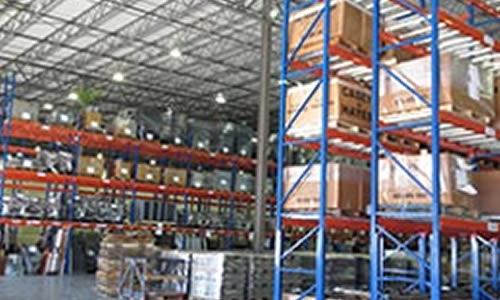
Secure EU-standard warehousing for short-term storage and consolidation.
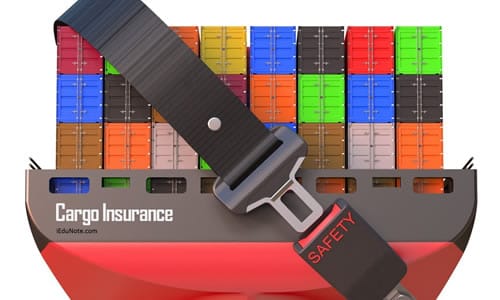
Suitable protection for high-value, long-distance, or sensitive cargo.

Professional export documentation and EU customs compliance.
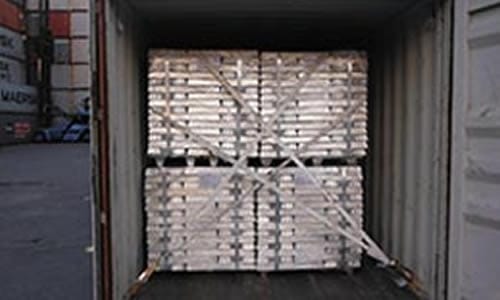
On-site verification of packaging, labeling accuracy, and container safety.
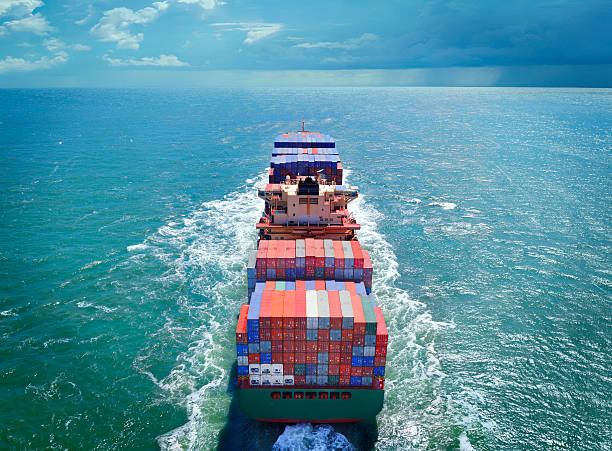
To ensure proper insurance coverage, obtain a detailed insurance policy from your freight forwarder. Verify that it covers all potential risks, including loss, theft, and damage. For high-value or fragile items, consider additional insurance. Review the policy’s terms and conditions to understand coverage limits and exclusions.
When selecting a freight forwarder, consider their track record, customer reviews, and service offerings. Verify their experience with international shipments, particularly to Croatia. Check for comprehensive insurance coverage, reliable tracking systems, and their ability to handle customs procedures effectively. Ensure they offer transparent pricing and are compliant with both Chinese and Croatian regulations.
Common customs regulations include declaring the value of goods accurately, providing necessary documentation like invoices and certificates of origin, and complying with Croatian import restrictions and duties. Ensure that all paperwork is complete and correct to avoid delays or fines. Familiarize yourself with any specific regulations related to your type of cargo.
Proper preparation includes using high-quality packaging materials suited for your goods. For fragile items, use bubble wrap or foam padding, and for heavy items, use strong, reinforced containers. Securely seal packages and label them clearly. Ensure that packaging meets both Chinese and Croatian transport standards to reduce the risk of damage.
If delayed, first check the tracking information for updates. Contact your freight forwarder to inquire about the delay and obtain estimated new delivery times. Review any potential issues that might have caused the delay, such as customs processing or logistical challenges. Keep in communication with your forwarder to address any concerns promptly.
During customs clearance, you can monitor the progress through the tracking portal of your freight forwarder if they offer this service. Additionally, stay in touch with your forwarder for updates on any customs issues or delays. Ensure that all required documentation is accurate and complete to facilitate smooth processing.
Third-party tracking tools aggregate data from various carriers, offering a unified view of your shipment’s status. They often provide enhanced features such as real-time updates, alerts for delays, and historical tracking information. These tools can simplify monitoring by consolidating information from multiple sources into a single interface.
Verify credentials by checking for industry certifications, such as those from international freight forwarding associations. Review customer testimonials and case studies. Contact their references and evaluate their experience with shipments to Croatia. Ensure they comply with local and international regulations and have a solid track record in the industry.
Typical costs include freight charges, fuel surcharges, insurance premiums, customs duties, and handling fees. Charges vary based on factors like shipment size, weight, and transport mode (air, sea, or land). Request detailed quotes from multiple forwarders to compare costs and understand the full scope of expenses.
The choice of transport mode significantly affects both shipping times and costs. Air freight is faster but more expensive, suitable for urgent or high-value shipments. Sea freight is more cost-effective for larger or bulkier shipments but takes longer. Evaluate your priorities regarding speed and budget to select the appropriate transport mode.
Operations deal with the way the vehicles are operated, and the procedures set for this purpose, and policies. In the transport industry, operat ions and ownership of infrastructure can be either country.