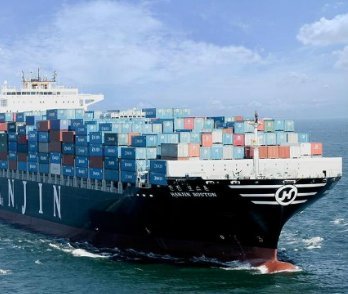
TJ Freight provides reliable FCL and LCL ocean freight services via the Port of Limassol and regional Mediterranean gateways. We handle container loading, export documentation, sailing schedules, and inland delivery, ensuring cost-effective and consistent maritime transport for shipments of all sizes.

For urgent or high-value shipments, air freight into Larnaca or Paphos Airport enables fast and secure delivery. TJ Freight manages export compliance, flight routing, and cargo handling to support time-sensitive supply chains.

TJ Freight offers full door-to-door shipping services from China to Cyprus, including supplier pickup, export clearance, international transport, and final delivery across the island. We integrate sea, air, and intermodal options to ensure secure cargo handling, on-time delivery, and full shipment visibility.

Our FCL service ensures dedicated container space for large shipments. TJ Freight supervises container loading in China, ensuring secure fastening, proper weight distribution, and compliance with international standards. Containers arrive via Limassol or neighboring Mediterranean ports before inland delivery. With structured documentation and milestone tracking, FCL shipping supports electronics, machinery, textiles, construction materials, and retail goods.
For smaller or multi-supplier shipments, LCL provides flexibility and cost-efficiency. TJ Freight manages consolidation, palletizing, labeling, and controlled cargo separation. We coordinate ocean schedules, customs clearance, and final delivery into Cyprus’ distribution network. Real-time tracking ensures stable inventory flow for retailers, wholesalers, and e-commerce operators.
Organized supplier pickup in China with smooth delivery across Cyprus.
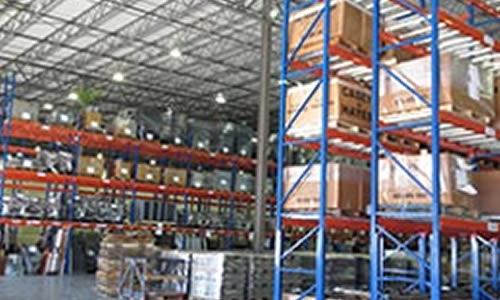
Secure EU-standard warehousing for staging, consolidation, and storage.
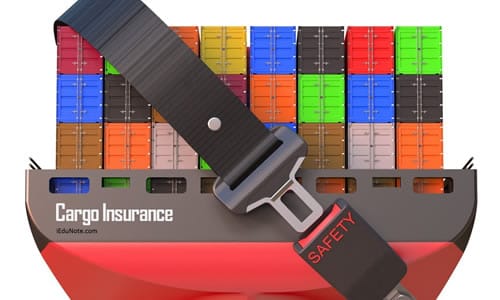
Coverage suitable for long-distance and high-value shipments.

Professional export documentation and full EU customs support.
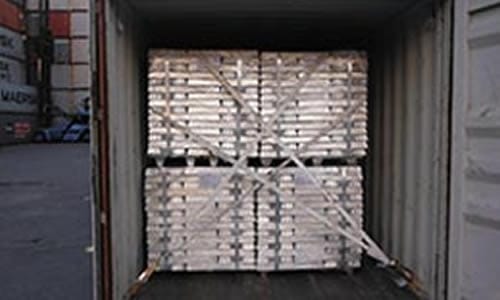
On-site supervision ensuring correct packaging, labeling, and container safety.

Shipping from China to Cyprus generally involves air freight and sea freight. Air freight is faster, taking about 7 to 10 days, but is more expensive. Sea freight, though slower, usually requires 30 to 40 days and is more cost-effective for larger shipments.
Several factors influence shipping time, including the type of freight service (air or sea), port efficiency, customs processing, and possible delays due to weather or logistical issues. Choosing expedited services or more direct routes can reduce transit time.
Customs clearance can impact shipping time by causing delays if documentation is incomplete or incorrect. Ensuring all paperwork, including invoices and certificates, is accurate and compliant with Cypriot regulations helps prevent these delays.
When selecting a freight forwarder, consider their experience with Cyprus-bound shipments, customer reviews, and their ability to handle customs clearance efficiently. Verify their reputation and track record for timely deliveries and reliable service.
Yes, Cyprus has specific regulations including import duties, VAT requirements, and product safety standards. Ensure compliance with these regulations to avoid penalties and delays. Consulting with a customs broker can help navigate these requirements.
Most freight forwarders and carriers offer tracking services that allow you to monitor your shipment’s progress in real-time. Utilize these tracking tools to get updates on your shipment’s location and estimated delivery time.
Air freight is generally more expensive than sea freight due to its speed and efficiency. Sea freight, while more affordable, involves longer transit times. The choice depends on your budget and how quickly you need the goods.
Yes, hazardous materials can be shipped but require special handling and documentation. You must comply with both international and local regulations for the safe transport of these goods. Consulting with your freight forwarder is essential for proper management.
Risks include potential delays due to customs issues, damage or loss of goods, and unexpected costs such as tariffs or handling fees. Choosing reputable shipping partners and obtaining insurance can help mitigate these risks.
To ensure safe delivery, use robust packaging, choose reliable freight services, and obtain adequate insurance coverage. Also, ensure all customs documentation is accurate and complete, and use tracking services to monitor your shipment.
Operations deal with the way the vehicles are operated, and the procedures set for this purpose, and policies. In the transport industry, operat ions and ownership of infrastructure can be either country.