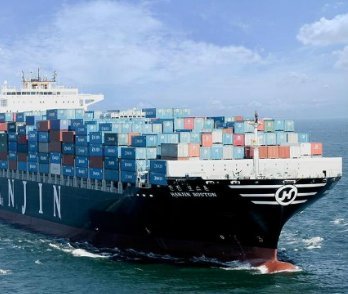
TJ Freight provides stable FCL and LCL sea freight services entering Finland through ports such as Helsinki, Kotka, and Hamina, as well as nearby Nordic gateways. We handle container loading, export documentation, maritime scheduling, and final inland transport to support cost-effective and consistent ocean shipping.
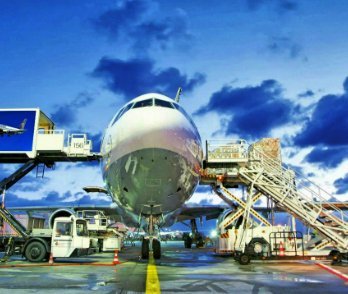
Air freight is a strong option for urgent or high-value cargo, with Helsinki Airport serving as Finland’s primary air logistics hub. TJ Freight manages export compliance, flight arrangements, and secure handling to ensure efficient transit for time-sensitive imports.

While historic China–Finland rail routes once passed directly through Russia, modern logistics now rely on entering the EU first—via Poland, Germany, or the Baltic region—before connecting onward to Finland. TJ Freight coordinates rail booking, customs documentation, and intermodal transfer, offering a balanced solution between speed and cost.
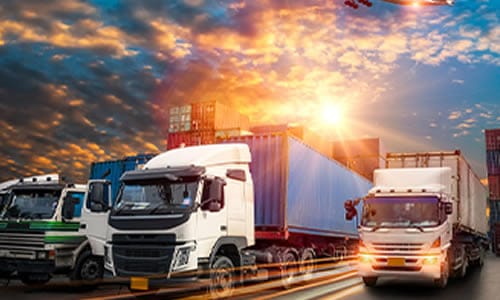
Our FCL service is ideal for large or continuous shipments requiring secure, dedicated container space. TJ Freight supervises loading at origin, ensuring proper securing, weight distribution, and compliance with international standards. Cargo enters through Nordic ports, then continues inland across Finland’s well-developed road and rail network. With structured documentation and milestone tracking, our FCL service supports industries such as electronics, machinery, forestry products, metal components, and consumer goods.
For smaller or multi-supplier imports, LCL offers flexibility and cost efficiency. TJ Freight manages consolidation, palletizing, labeling, and cargo separation at major hubs. We coordinate sailing schedules, customs procedures, and delivery into Finland’s distribution centers. Real-time visibility ensures consistent supply-chain performance for wholesalers, retailers, and e-commerce businesses.
Reliable supplier pickup across China with efficient delivery throughout Finland.
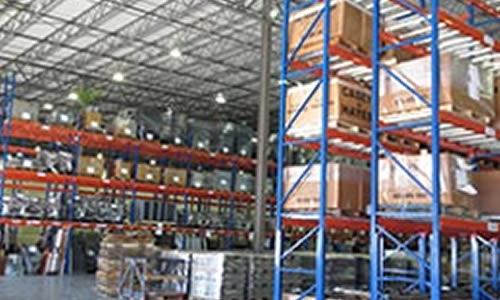
Secure EU-standard warehousing for staging, storage, and consolidation.
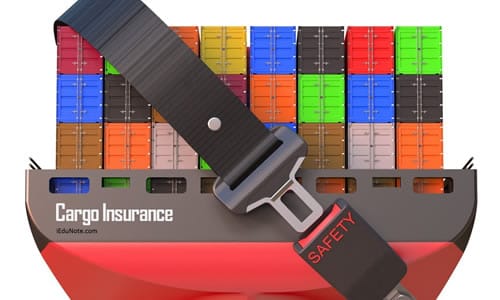
Coverage suitable for high-value, long-distance, or multimodal cargo.

Accurate export documentation and EU customs-compliant processes.
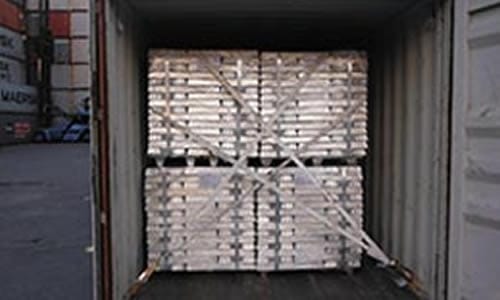
Professional on-site verification of packaging, labeling, and container readiness.
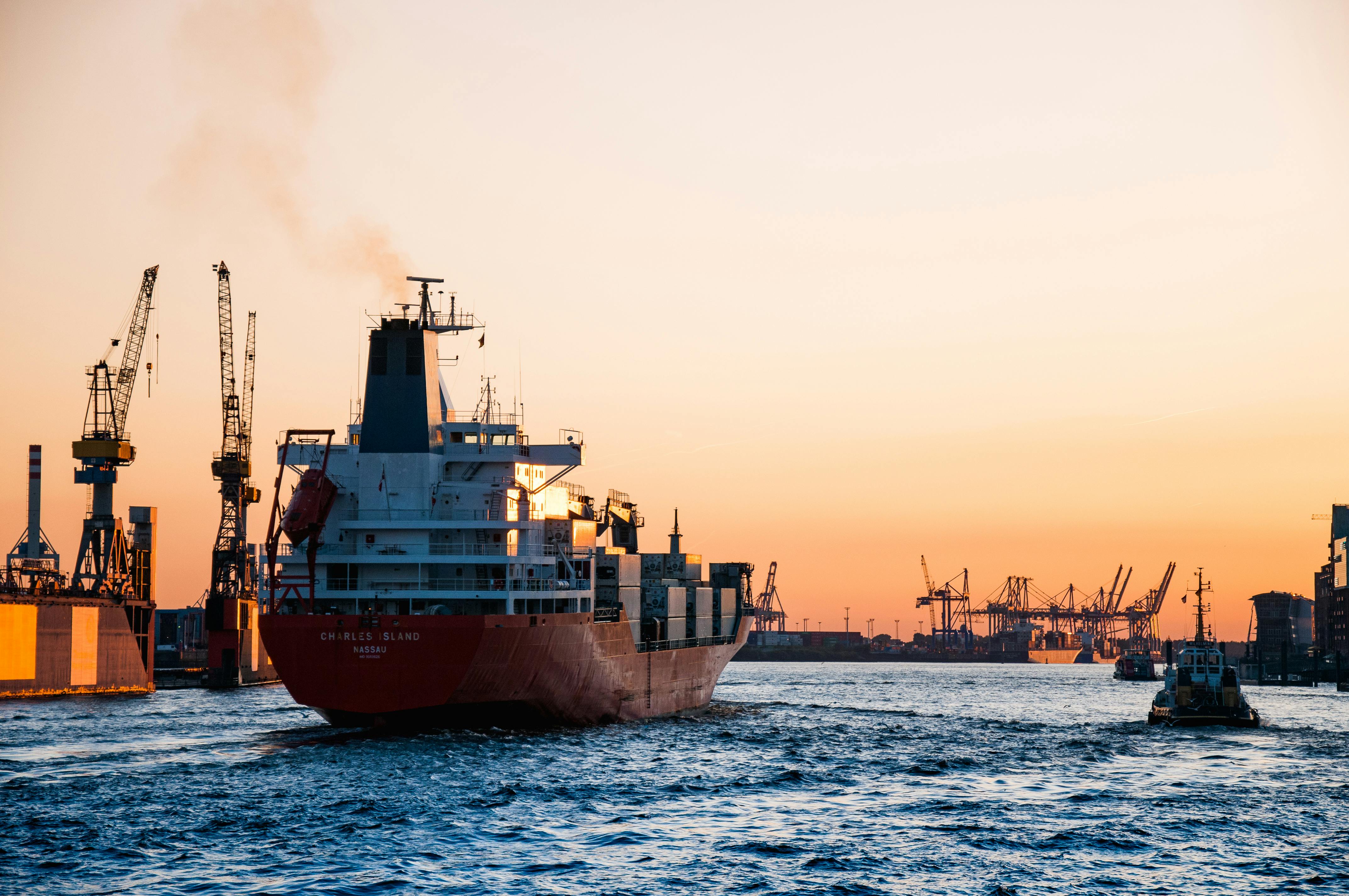
Sea freight generally takes 30 to 45 days due to long-distance travel, with potential delays caused by weather and port handling.
Air freight usually takes about 7 to 14 days, faster than sea freight but affected by flight schedules and possible transfers.
Express services such as DHL or FedEx typically deliver within 4 to 7 days, offering the fastest delivery but at a higher cost.
Sea freight is generally more cost-effective for large shipments, as air freight, while faster, is significantly more expensive.
Express companies usually offer tracking, insurance options, expedited customs clearance, and door-to-door delivery.
Yes, upgrading from sea freight to air freight or express shipping can significantly reduce delivery time, though it will increase costs.
Weather can cause delays in both sea and air transport by affecting transit times and potentially causing port or flight disruptions.
Yes, customs regulations must be adhered to, including proper documentation and potential tariffs or duties based on the type of goods being shipped.
Shipping costs are influenced by factors such as the weight and volume of the goods, the chosen shipping method, and any additional services like insurance or expedited delivery.
Tracking is usually available for air freight and express services, but not always for sea freight, depending on the shipping company and service level.
Operations deal with the way the vehicles are operated, and the procedures set for this purpose, and policies. In the transport industry, operat ions and ownership of infrastructure can be either country.