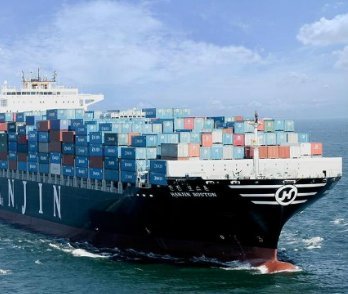
TJ Freight manages FCL and LCL ocean freight to main ports, coordinating container loading, documentation, and inter-island delivery. This ensures reliable transit even across the scattered archipelago.
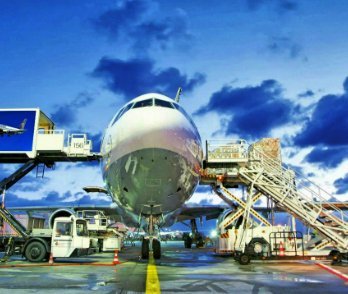
For urgent or sensitive cargo, air freight into Faa’a International Airport allows fast and secure delivery. TJ Freight handles flight scheduling, customs clearance, and cargo supervision.

Our end-to-end service includes supplier pickup in China, export processing, and delivery directly to any location in French Polynesia. Sea and air transport are integrated for a smooth shipping experience.

Full Container Load (FCL) provides exclusive container space for large shipments. TJ Freight ensures secure packing, weight balance, and compliance with international shipping standards. Ideal for machinery, textiles, electronics, and consumer goods, FCL shipments are coordinated for timely arrival at island warehouses or distribution centers.
Less than Container Load (LCL) allows multiple small consignments to share container space efficiently. TJ Freight handles consolidation, palletizing, labeling, and customs clearance, with real-time tracking. LCL is perfect for small batches, mixed cargo, or high-value items that require careful handling.
Supplier collection in China and secure transport to Papeete, Bora Bora, and other islands.
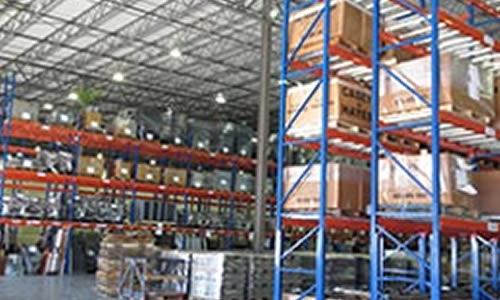
Temporary storage and cargo consolidation for streamlined operations.
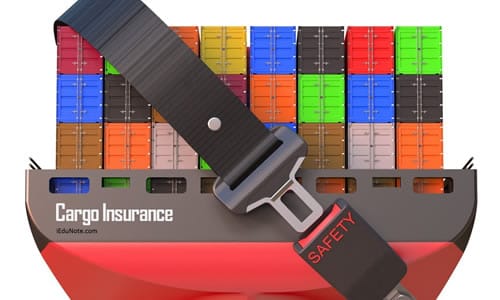
Protection for sea, air, and multimodal shipments.

Comprehensive documentation and compliance assistance for French Polynesian authorities.
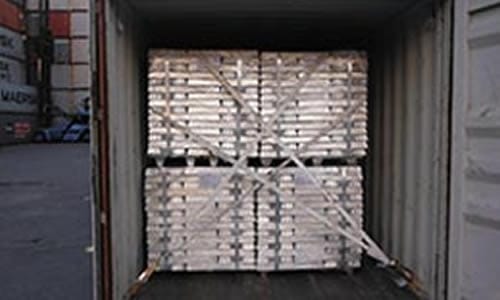
Professional oversight of packaging and container handling.
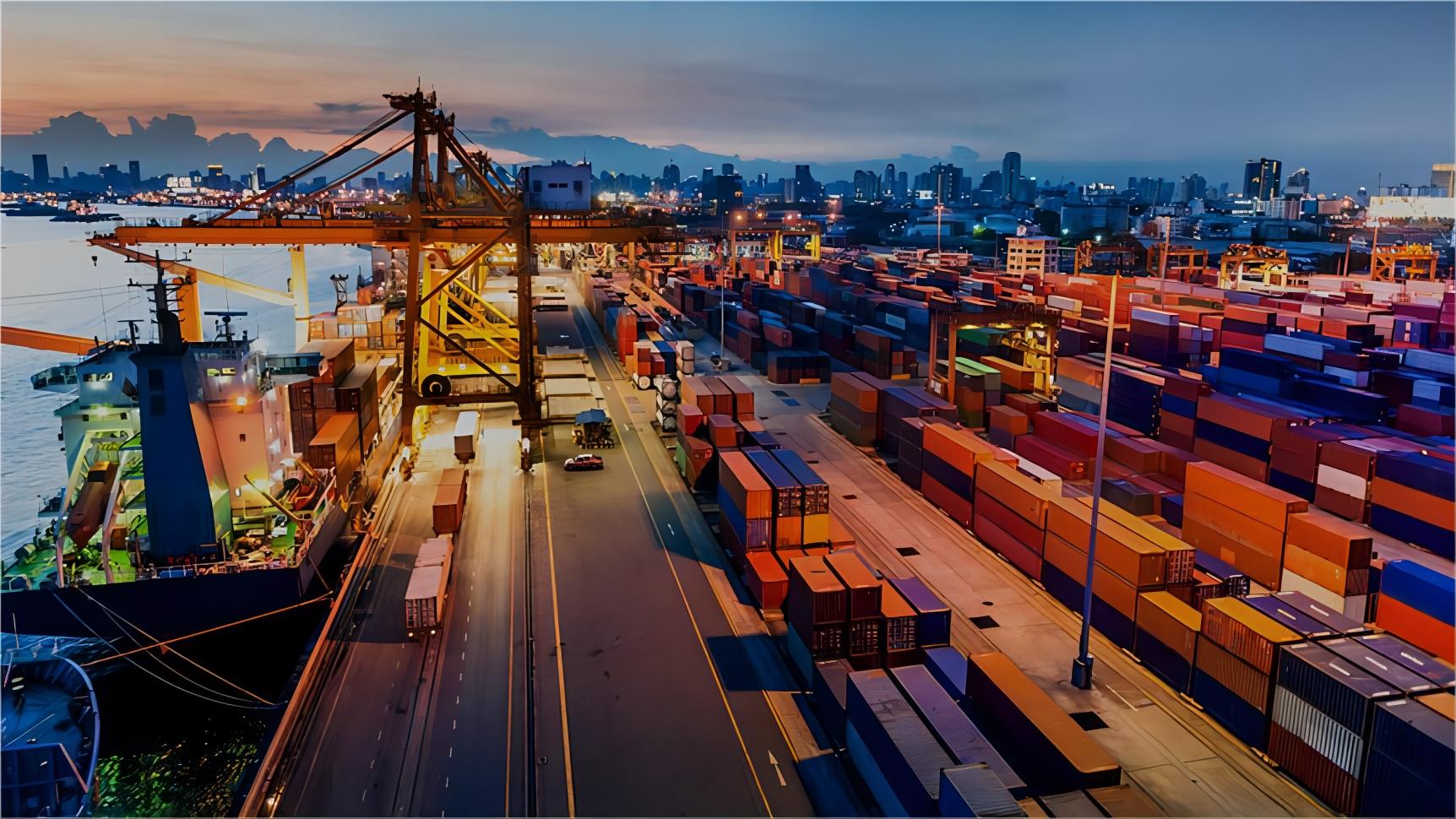
Factors include the mode of transport (sea or air), specific routes, customs processing, port congestion, and the efficiency of the chosen freight forwarder. Weather conditions and unforeseen delays can also impact shipping times.
You can track your shipment using tracking numbers provided by your freight forwarder or carrier. They typically offer online tracking tools that provide real-time updates on your shipment’s location and status.
Essential documents include a commercial invoice, packing list, bill of lading or air waybill, customs declaration forms, and any required certificates such as origin or health certificates for specific goods.
Yes, customs duties and taxes may apply. The rates depend on the type of goods, their value, and the applicable trade agreements. It’s crucial to check the latest customs regulations and tariffs for accurate cost estimates.
Use sturdy and weather-resistant materials. For fragile items, ensure proper cushioning and padding. Label packages clearly, and include handling instructions to prevent damage during transit.
Yes, expedited shipping options are available, typically via air freight. This service speeds up delivery times but may incur higher costs compared to standard shipping.
Risks include damage during transit, loss of goods, customs delays, and additional costs from unforeseen issues. Proper insurance and reliable packaging can help mitigate these risks.
Look for freight forwarders with a strong track record in handling shipments to French Polynesia. Consider their experience, customer reviews, range of services, and cost. Ensure they offer support for all necessary customs and documentation.
Be aware of regulations regarding prohibited or restricted items, import duties, and necessary documentation. Compliance with local laws and accurate declaration of goods is essential to avoid delays or fines.
Adverse weather conditions, such as storms or heavy rain, can delay shipping times, particularly for sea freight. Freight forwarders often account for such variables in their estimated delivery schedules.
Operations deal with the way the vehicles are operated, and the procedures set for this purpose, and policies. In the transport industry, operat ions and ownership of infrastructure can be either country.