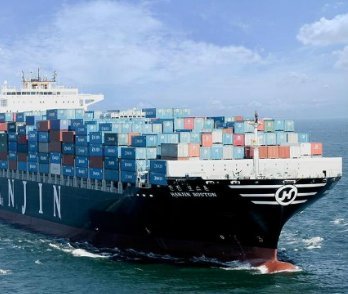
TJ Freight provides dependable FCL and LCL sea freight services entering Germany through leading ports such as Hamburg and Bremerhaven, as well as Rotterdam and Antwerp when beneficial. We manage container loading, export documentation, sailing schedules, and inland transport to deliver stable and cost-effective ocean shipping solutions.
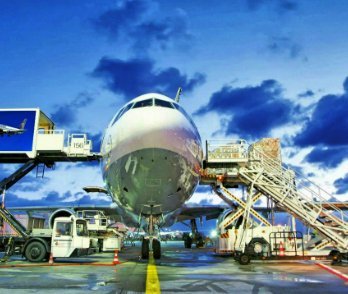
Germany’s major airports—including Frankfurt, Munich, and Leipzig—offer excellent air cargo connectivity. TJ Freight handles export compliance, routing, and secure handling procedures to support urgent, high-value, and time-critical shipments with fast and reliable delivery.
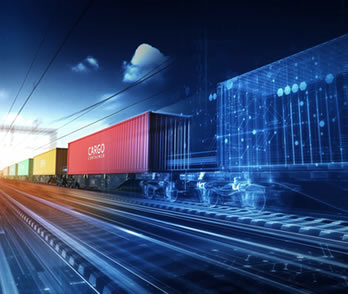
Germany is a central hub of the China–Europe rail network, with frequent departures and fast transit into cities such as Duisburg and Hamburg. TJ Freight arranges rail booking, customs preparation, and inland delivery, providing an efficient mid-speed solution that combines reliability with competitive cost.
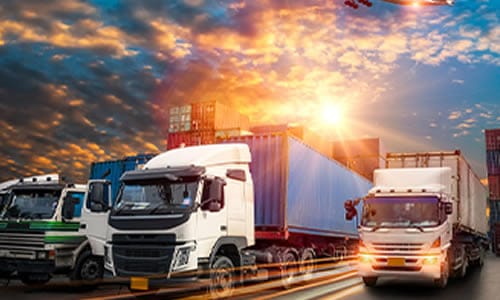
Our FCL service is ideal for large or continuous shipments requiring secure, dedicated container capacity. TJ Freight supervises container loading in China to ensure proper fastening, weight distribution, and international compliance. Cargo enters through Germany’s major ports or EU gateways before inland trucking or rail delivery. With milestone tracking and structured documentation, FCL shipping supports Germany’s key industries—including automotive, machinery, chemicals, electronics, and retail.
For smaller shipments or mixed sourcing, LCL offers flexibility and cost efficiency. TJ Freight manages consolidation, palletizing, labeling, and cargo separation at major hubs. We coordinate ocean schedules, EU customs procedures, and final delivery into Germany’s nationwide distribution networks. Real-time tracking ensures consistent and efficient inventory replenishment for wholesalers, e-commerce sellers, and distributors.
Reliable supplier pickup in China with structured delivery across Germany.
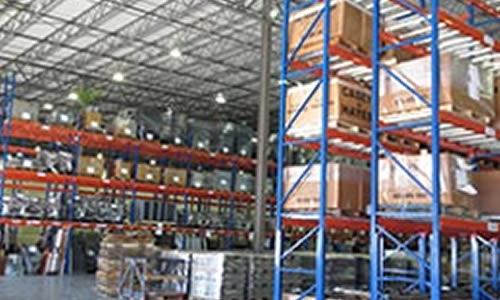
EU-standard warehousing for consolidation, staging, and temporary storage.
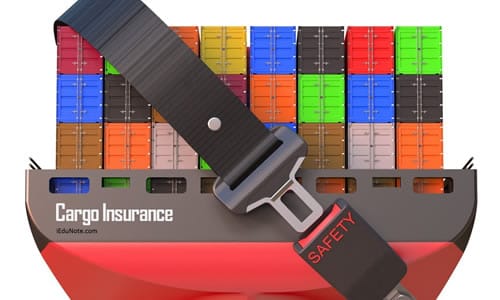
Protection tailored for long-distance and high-value industrial shipments.

Complete export-documentation support aligned with EU customs requirements.
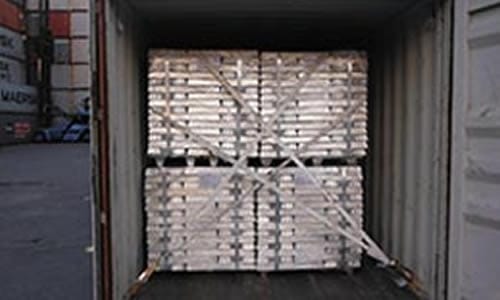
Professional supervision ensuring accurate packaging, labeling, and container securing.
Shipping time depends on the method: air freight takes 3-7 days, sea freight 25-35 days, and rail freight 15-20 days. Express shipping can deliver in 2-5 days.
Shipping costs vary based on method (air, sea, or rail), cargo type, and destination. For example, air freight is generally more expensive than sea freight. Contact us for a personalized quote tailored to your needs!
You’ll need a commercial invoice, packing list, bill of lading, and customs declaration. For certain goods, certificates of origin or permits may be required.
Door-to-door shipping means we handle everything—pickup, transportation, customs clearance, and delivery to your address in Germany. It’s hassle-free and convenient!
Yes, you can ship electronics, but ensure they meet EU safety standards (CE marking). Proper packaging and documentation are essential for customs clearance.
Hazardous materials require special handling and documentation, such as a Material Safety Data Sheet (MSDS). Work with a certified freight forwarder for safe and compliant shipping.
The best method depends on your needs: air freight for speed, sea freight for cost-effectiveness, and rail freight for a balance of both.
We offer direct shipping to Berlin via air, sea, or rail. Whether it’s a small package or a full container, we’ll ensure timely delivery to your location.
International shipping involves pickup, transportation, customs clearance, and delivery. A freight forwarder like us handles all steps for a seamless experience.
We provide a tracking number for your shipment. You can check real-time updates on our website or through the carrier’s platform.
Operations deal with the way the vehicles are operated, and the procedures set for this purpose, and policies. In the transport industry, operat ions and ownership of infrastructure can be either country.