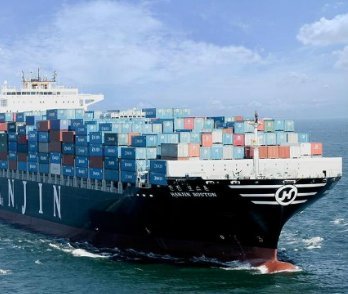
We arrange dependable sea freight into Tema and Takoradi, managing container booking, routing, and essential documentation to keep cargo flowing on schedule from China to Ghana.
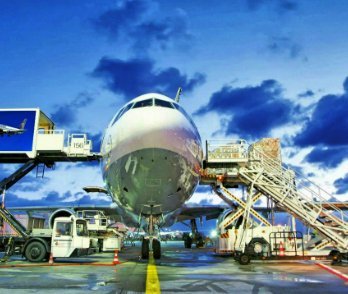
For urgent shipments, our air freight services provide rapid transport into Kotoka International Airport. We secure steady airline capacity and organize priority handling for fast-moving, high-value, or time-sensitive goods.

Our door-to-door service covers supplier pickup, export processing, ocean or air transport, customs coordination, and delivery to any commercial or industrial location across Ghana.

FCL shipping is recommended for businesses transporting large quantities or cargo requiring secure, exclusive container space. We negotiate competitive 20GP, 40GP, and 40HQ prices and supervise container loading to ensure safety, balance, and proper packing. TJ Freight coordinates vessel schedules, export compliance, and customs documentation to maintain predictable and reliable flows into Tema and Takoradi. This option supports long-term supply chain consistency while minimizing handling risks.
Our LCL consolidation service suits businesses shipping smaller loads or combining cargo from multiple Chinese suppliers. We manage secure warehousing, consolidation processes, and scheduled departures toward Ghana. Upon arrival, we coordinate smooth deconsolidation and prepare shipments for collection or onward transportation. This allows importers to reduce costs while maintaining stable transit times and efficient cargo handling.
Reliable pickup from any China supplier with coordinated inland transportation.
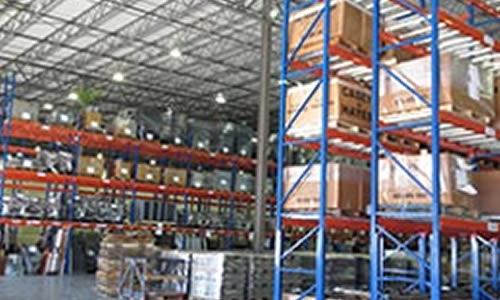
Flexible, secure warehousing supporting staging, consolidation, and pre-shipment needs.
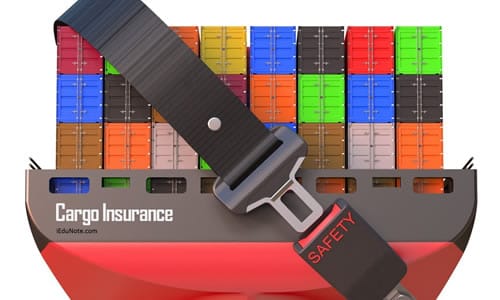
Comprehensive global insurance coverage for goods throughout transit.

Expert handling of China export procedures and Ghana import requirements.
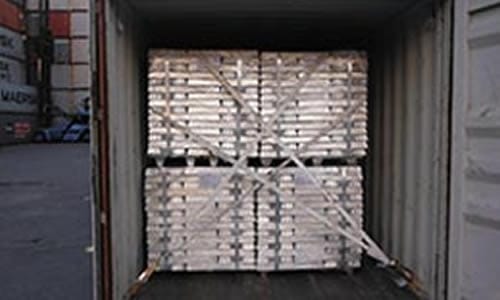
Professional supervision during container loading to ensure safe packing and cargo integrity.
The shipping duration from China to Ghana can be influenced by several factors. These include the mode of transport (sea freight or air freight), customs clearance times, the specific shipping route, and weather conditions. Sea freight usually takes longer, around 30 to 40 days, while air freight is quicker, taking approximately 7 to 15 days. Efficient customs processing can also impact the overall shipping time.
To reduce shipping time from China to Ghana, you can opt for air freight instead of sea freight, as it is significantly faster. Additionally, working with a reliable freight forwarder who can expedite customs clearance and streamline logistics can help minimize delays. Choosing express shipping services and ensuring all documentation is complete and accurate also contributes to a quicker delivery.
Air freight is considerably more expensive than sea freight due to its speed and efficiency. While air freight costs are higher, ranging from $5 to $10 per kilogram, sea freight is more economical, typically costing between $100 to $200 per cubic meter. The choice between air and sea freight should be based on your budget and urgency of the shipment.
Yes, there may be additional fees when shipping from China to Ghana. These can include customs duties, VAT, handling fees, and port charges. Additionally, if you opt for expedited shipping or require special handling, these services will incur extra costs. It is important to factor in these potential expenses when budgeting for your shipment.
Customs clearance can significantly impact shipping time from China to Ghana. Delays in customs can occur if documentation is incomplete or incorrect, or if there are issues with tariffs and duties. Ensuring all paperwork is accurately completed and promptly submitted can help avoid such delays. Working with a knowledgeable customs broker can also facilitate smoother clearance.
Shipping from China to Ghana typically requires several key documents, including a commercial invoice, packing list, bill of lading, and certificate of origin. Depending on the nature of the goods, additional documents such as import permits or certificates of conformity may also be needed. Ensuring all required documents are in order helps expedite the shipping and customs process.
Yes, tracking your shipment from China to Ghana is usually possible. Most freight forwarders and shipping companies provide tracking services through their websites or mobile apps. By entering your tracking number, you can monitor the status and location of your shipment throughout its journey, allowing you to stay informed about its progress.
Using a freight forwarder offers several benefits for shipping from China to Ghana. They provide expertise in logistics, handle complex documentation, and ensure compliance with international shipping regulations. Freight forwarders can also offer competitive shipping rates, manage customs clearance efficiently, and coordinate various transportation modes to streamline the process.
Shipping insurance is highly recommended for international shipments from China to Ghana. It protects your cargo against loss, damage, or theft during transit. Given the long distance and various potential risks involved, having insurance provides financial security and peace of mind, ensuring that you are covered in case of unforeseen incidents.
The best time to ship from China to Ghana for optimal cost is generally during off-peak seasons. Shipping rates tend to be lower when demand is lower, which is typically outside of major holidays and peak shipping periods. Planning your shipments during these times can help you secure better rates and avoid congestion-related delays.
Operations deal with the way the vehicles are operated, and the procedures set for this purpose, and policies. In the transport industry, operat ions and ownership of infrastructure can be either country.