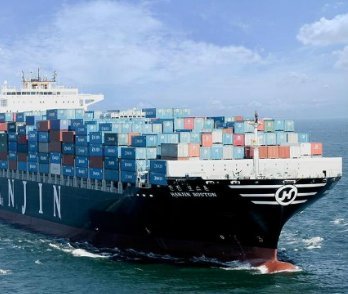
TJ Freight organizes FCL and LCL ocean freight to Honolulu Harbor and Hilo Port. Container loading, export documentation, and local inland delivery are professionally coordinated to ensure smooth transit.
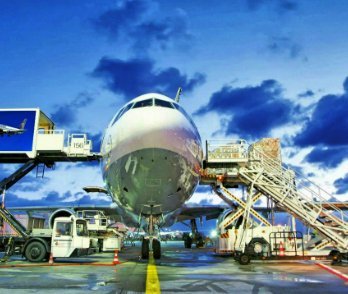
For urgent or high-value shipments, air freight into Daniel K. Inouye International Airport or Hilo International Airport provides rapid, secure delivery. TJ Freight manages scheduling, customs compliance, and cargo supervision.
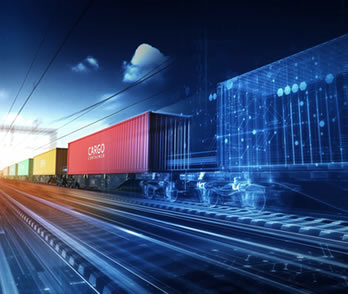
Our door-to-door service includes supplier pickup in China, export processing, and delivery anywhere in Hawaii. Sea and air transport are fully integrated for a seamless shipping experience.
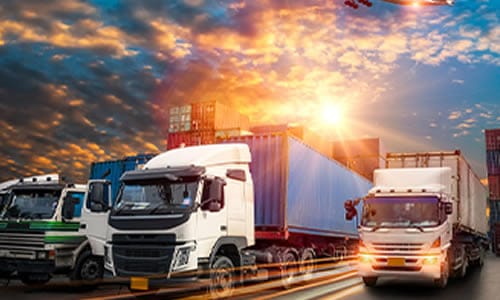
Full Container Load (FCL) provides dedicated container space for large shipments. TJ Freight ensures secure loading, proper weight distribution, and compliance with international shipping standards. FCL is ideal for machinery, electronics, textiles, and consumer goods, with coordinated port handling and inland delivery across Hawaii.
Less than Container Load (LCL) allows multiple small consignments to share container space efficiently. TJ Freight manages consolidation, palletizing, labeling, and customs clearance, with real-time tracking. LCL is perfect for small batches, mixed cargo, or high-value items requiring careful handling.
Supplier collection in China with secure delivery to Honolulu, Hilo, and other islands.
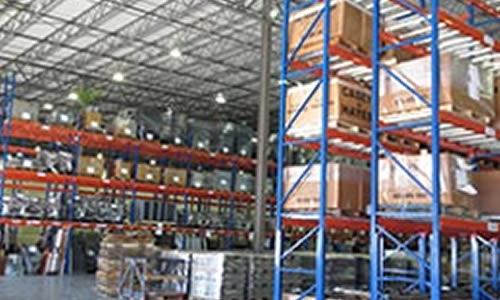
Temporary storage and consolidation for smoother operations.
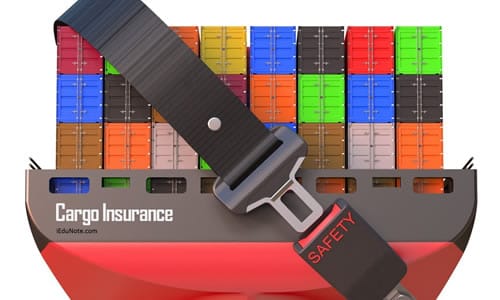
Comprehensive coverage for sea, air, and multimodal shipments.
Full documentation and regulatory assistance for Hawaiian authorities.
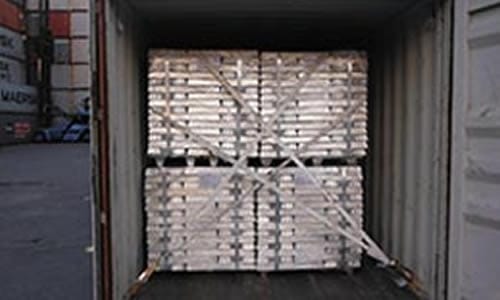
Professional oversight of packaging and container handling.
The most efficient methods for shipping from China to Hawaii are air freight and sea freight. Air freight, while more expensive, offers quicker transit times of approximately 7 to 10 days. Sea freight is more economical but takes longer, generally between 15 to 20 days. Choosing the right method depends on your urgency and budget.
Customs can impact shipping times significantly. Shipments must clear customs in both China and the U.S., which can cause delays. Proper documentation and adherence to import regulations can expedite the process. Delays often occur if paperwork is incomplete or if there are issues with the shipment's compliance with U.S. import laws.
Shipping costs from China to Hawaii are influenced by several factors, including the shipping method, weight and volume of the cargo, and the distance between the ports. Air freight is typically more expensive than sea freight due to its faster delivery time. Additional charges may include customs duties, insurance, and handling fees.
Customs duties for importing goods from China to Hawaii vary based on the type of product and its classification under the Harmonized Tariff Schedule. Duties are calculated as a percentage of the product’s declared value. Importers should review the tariff schedule and consult with a customs broker to determine specific duty rates and compliance requirements.
You can track your shipment using tracking numbers provided by the freight forwarder or carrier. Most shipping companies offer online tracking systems that provide real-time updates on the shipment’s status and location. Ensure to keep track of the shipment’s progress through the carrier’s website or customer service.
Risks include potential delays due to customs issues, weather conditions, or logistical challenges. Additionally, there is a risk of damage or loss during transit. To mitigate these risks, use reliable freight forwarders, ensure proper packaging, and obtain insurance coverage for valuable or fragile goods.
Required documents typically include the commercial invoice, packing list, bill of lading, and any relevant certificates of origin or compliance. These documents must be accurate and complete to facilitate smooth customs clearance and prevent delays.
To ensure timely arrival, choose a reliable freight forwarder with a good track record, use appropriate packaging, and provide accurate documentation. Opt for faster shipping methods if urgency is a concern and regularly track the shipment to address any issues promptly.
When selecting a freight forwarder, consider their experience with routes to Hawaii, reputation for reliability, and ability to handle your specific type of cargo. Evaluate their safety protocols, customer service, and pricing structure to ensure they meet your shipping needs effectively.
Sea freight is cost-effective for large or bulky shipments but takes longer, usually 15 to 20 days. Air freight is faster, typically 7 to 10 days, and ideal for urgent or high-value items, but comes with a higher cost. The choice depends on your budget and urgency requirements.
Operations deal with the way the vehicles are operated, and the procedures set for this purpose, and policies. In the transport industry, operat ions and ownership of infrastructure can be either country.