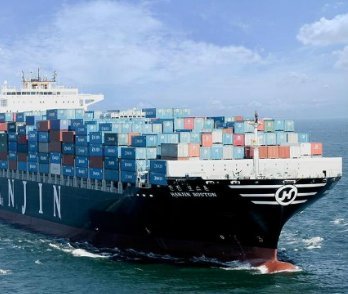
We offer secure and cost-effective sea freight services into the Port of Toamasina, coordinating container reservations, loading operations, and transshipment planning. Our team ensures your cargo moves with consistent schedules and proper documentation.
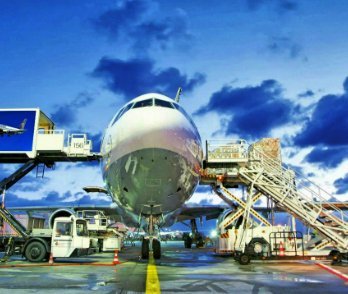
For urgent or high-value shipments, our air freight solutions provide rapid delivery to Antananarivo. We work with trusted airlines to secure stable space and minimize delays, ensuring fast and safe cargo handling.
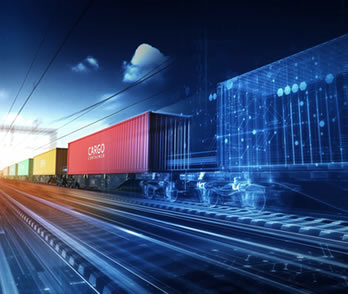
Our door-to-door service covers origin pickup, export procedures, international transport, customs support, and final delivery—providing importers with a fully managed logistics chain from China to any destination within Madagascar.
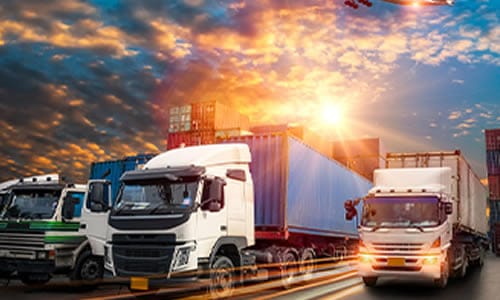
Our LCL consolidation service supports businesses shipping smaller volumes or sourcing from different suppliers across China. We organize consolidation at major hubs, maintain regular departures, and manage precise deconsolidation upon arrival in Madagascar. This service allows importers to control costs while maintaining flexibility, benefiting from professional cargo management without committing to a full container.
Efficient China-wide pickup services with optimized inland transportation.
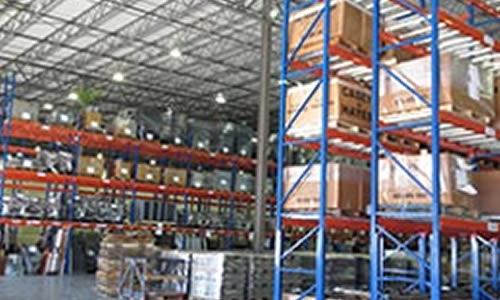
Secure warehousing solutions to support storage, consolidation, and pre-shipment needs.
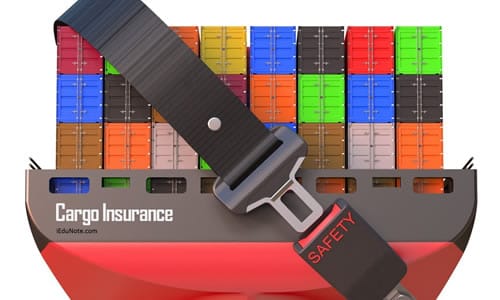
Comprehensive cargo protection throughout the entire international shipping process.

Expert support with export documentation and Madagascar customs requirements.
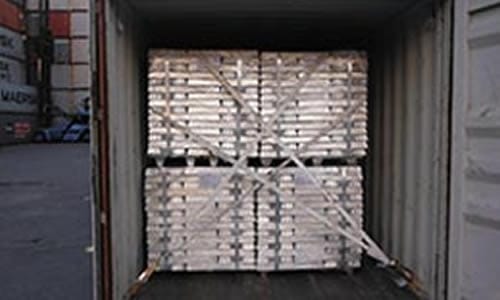
Detailed loading supervision to ensure safe packing, accurate placement, and container integrity.
The main factors influencing shipping time include the chosen shipping method (air or sea), the efficiency of the logistics company, customs clearance speed, and the distance between specific ports. Air freight is faster but more expensive, while sea freight is slower but more cost-effective.
Most logistics companies provide tracking services. You can use a tracking number provided by the shipping company to monitor your shipment's progress online. The tracking system will show real-time updates on the shipment’s location and estimated delivery time.
Customs requirements include providing accurate documentation, such as invoices and shipping labels. You may need to declare the value of goods and pay import duties and taxes. Madagascar’s customs may also have specific regulations regarding restricted or prohibited items.
Sea freight is generally more economical and suitable for large or heavy shipments, though it takes longer. Air freight is faster but more expensive, ideal for urgent or high-value items. Your choice depends on budget and delivery urgency.
Common shipping companies include DHL, FedEx, UPS, and international freight forwarders like Maersk or CMA CGM. Each company offers various services, including express air freight and standard sea freight, with differing delivery times and costs.
Import duties and taxes are based on the value and nature of the goods being shipped. These costs are determined by Madagascar’s customs regulations. You’ll need to pay these fees in addition to shipping costs, which can significantly impact the total expense.
Yes, you can choose expedited shipping options, such as express air freight, to speed up delivery. Expedited services offer faster transit times but come at a higher cost compared to standard shipping methods.
Major ports in China include Shanghai, Shenzhen, and Ningbo. In Madagascar, the primary port for international shipments is the Port of Toamasina (Tamatave). The choice of ports can affect shipping time and costs.
If there are delays, contact your shipping company or freight forwarder for updates. Common causes of delays include customs processing, weather conditions, or logistical issues. Keeping communication open with your service provider can help resolve issues promptly.
Shipping documentation typically includes a commercial invoice, packing list, bill of lading or air waybill, and any required certificates of origin or compliance. Accurate and complete documentation helps ensure smooth customs processing and delivery.
Operations deal with the way the vehicles are operated, and the procedures set for this purpose, and policies. In the transport industry, operat ions and ownership of infrastructure can be either country.