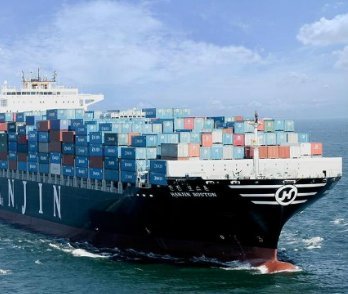
TJ Freight manages both FCL and LCL ocean shipments to Niue’s port. We oversee container loading, export documentation, and delivery coordination, ensuring reliable transport even across long maritime distances.
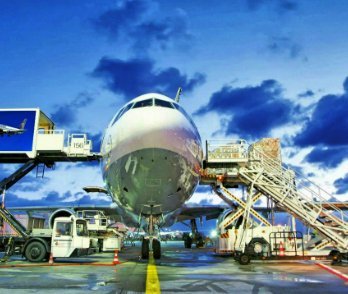
For urgent or high-value shipments, air freight into Niue International Airport provides fast and secure delivery. TJ Freight handles flight scheduling, customs clearance, and cargo supervision to meet strict timelines.
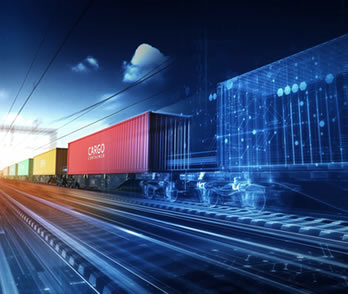
Our end-to-end service integrates supplier pickup in China, export processing, and delivery anywhere on Niue. Sea and air freight are fully coordinated for a seamless logistics experience.
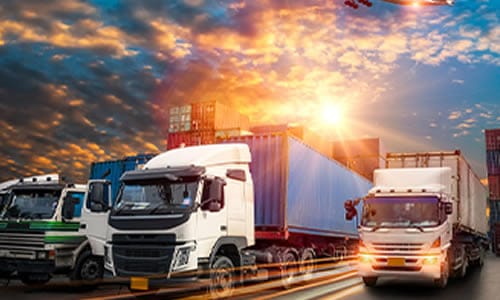
Full Container Load (FCL) is designed for large-volume shipments requiring dedicated container space. TJ Freight ensures proper packing, weight balance, and compliance with international shipping standards. FCL shipments are ideal for machinery, electronics, textiles, and consumer goods, with precise delivery to warehouses or distribution points on Niue.
Less than Container Load (LCL) allows smaller consignments to share container space efficiently. TJ Freight manages consolidation, palletizing, labeling, and customs clearance with real-time tracking, ideal for mixed cargo or high-value goods requiring careful handling.
Supplier collection in China with secure transport to Alofi and nearby areas.
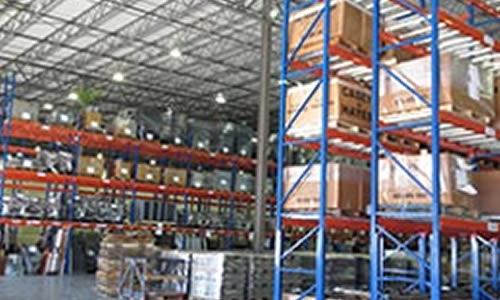
Temporary storage and cargo consolidation for smoother operations.
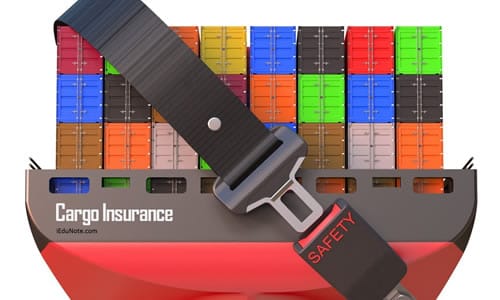
Full protection for sea, air, and multimodal shipments.

Expert documentation and compliance assistance for Niuean authorities.
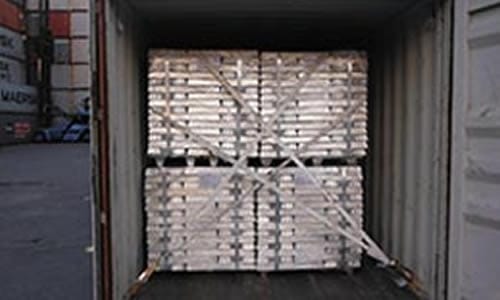
Professional oversight to ensure cargo safety.
Air freight from China to Niue usually takes between 7 to 10 days. This timeframe includes time for customs clearance and transportation to the nearest airport in Niue. Air freight is the fastest option compared to sea freight but might be more expensive. For the most accurate delivery estimates, consult with your freight forwarder, considering factors like potential delays or routing specifics.
Sea freight from China to Niue typically takes 4 to 6 weeks. This method is slower due to the longer transit time and potential delays at ports. Sea freight is often used for larger shipments or when cost is a primary concern. The duration can vary based on the specific route, shipping line, and any additional handling required at ports.
Yes, shipping times can be expedited, especially with air freight options. Express services or premium shipping options can reduce delivery times significantly. However, expedited services come with higher costs. For faster delivery, coordinate with your freight forwarder to select the most suitable expedited shipping solution based on your needs.
Customs clearance can affect shipping times to Niue by introducing potential delays if documentation is incomplete or inaccurate. Properly prepared and accurate paperwork helps minimize delays. Both air and sea freight shipments must comply with Niue’s import regulations, and any issues at customs can extend the overall delivery time.
Yes, shipping to Niue requires adherence to local import regulations, including accurate documentation, proper packaging, and compliance with customs rules. It’s essential to provide detailed information about the contents and value of the shipment. Consult with your freight forwarder to ensure all requirements are met and avoid any delays.
Weather conditions can impact both air and sea freight, potentially causing delays. Severe weather, such as storms or typhoons, can disrupt transit schedules and affect port operations. Monitoring weather forecasts and consulting with your freight forwarder can help manage and mitigate potential weather-related delays.
If your shipment is delayed, first contact your freight forwarder for updates and potential reasons for the delay. They can provide information on the new expected delivery time and assist with any issues that might have caused the delay. Ensure all documentation and customs requirements are in order to prevent further complications.
Air freight is generally more expensive than sea freight due to its faster delivery times and higher operational costs. Sea freight, while slower, is more cost-effective for larger or bulk shipments. The choice between air and sea freight depends on your budget, shipment size, and required delivery time.
Tracking your shipment is possible through the tracking services provided by your freight forwarder or carrier. Most logistics companies offer online tracking tools that allow you to monitor the progress of your shipment in real-time. Ensure you receive tracking details and use them to stay updated on your shipment's status.
Operations deal with the way the vehicles are operated, and the procedures set for this purpose, and policies. In the transport industry, operat ions and ownership of infrastructure can be either country.