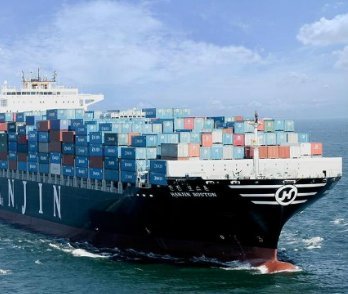
Serbia is landlocked, but sea freight via nearby EU ports such as Rijeka, Bar, and Thessaloniki provides reliable access. TJ Freight manages FCL and LCL container loading, export documentation, sailing schedules, and overland transport to ensure cost-effective and consistent delivery.
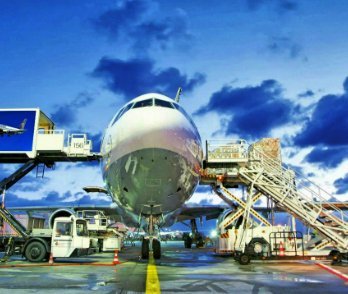
For urgent or high-value shipments, air freight into Belgrade Nikola Tesla Airport or nearby European airports ensures fast and secure delivery. TJ Freight handles export compliance, routing, and cargo handling to meet time-sensitive requirements.
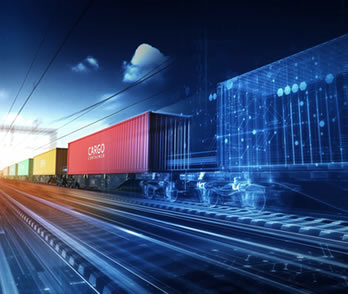
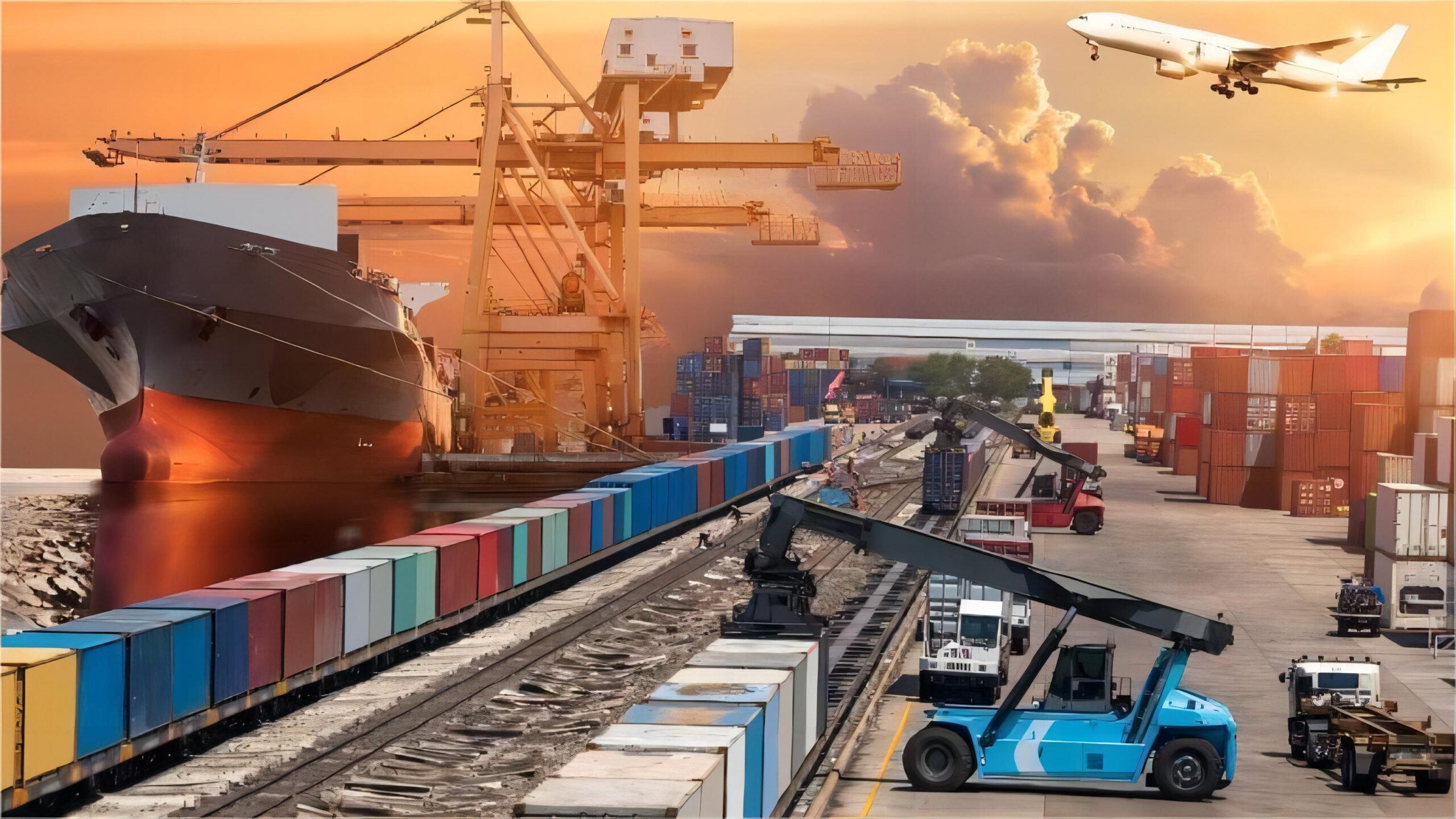
TJ Freight offers full door-to-door shipping from China to Serbia, covering supplier pickup, export clearance, international transport, and final delivery. Sea, air, and overland transport options are coordinated to ensure secure cargo handling, on-time delivery, and full shipment visibility.
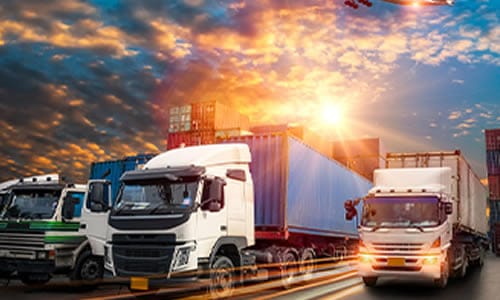
Our FCL service provides dedicated container space for large shipments. TJ Freight supervises container loading in China, ensuring proper fastening, weight balance, and compliance with international standards. Cargo enters via EU ports before inland delivery into Serbia. Structured documentation and milestone tracking support industries including electronics, machinery, textiles, consumer goods, and construction materials.
For smaller or multi-supplier shipments, LCL offers flexibility and cost efficiency. TJ Freight manages consolidation, palletizing, labeling, and structured separation. We coordinate ocean schedules, customs procedures, and final delivery into Serbia’s distribution network. Real-time tracking ensures smooth inventory flow for wholesalers, retailers, and e-commerce operators.
Organized supplier pickup in China with reliable delivery throughout Serbia.
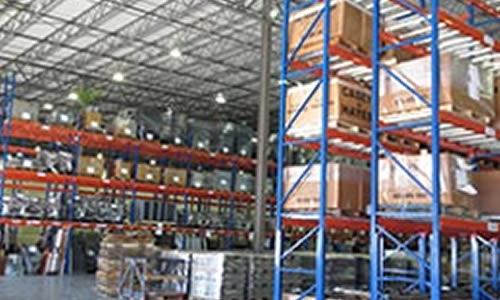
Secure EU-standard warehousing for staging, consolidation, and storage.
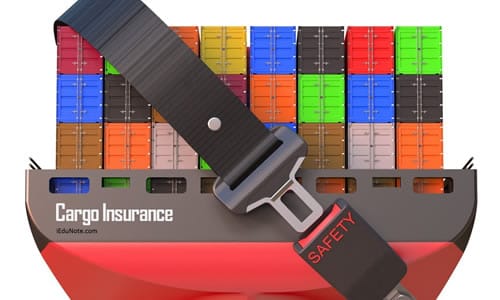
Coverage suitable for long-distance, multimodal, and high-value shipments.

Accurate export documentation and full EU customs support.
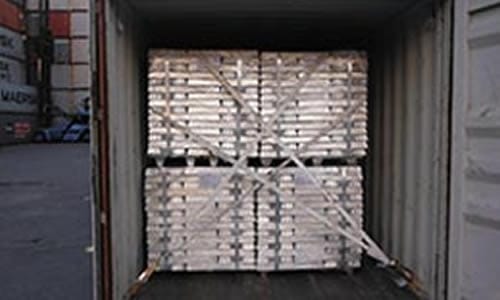
Professional supervision ensuring proper packaging, labeling, and container safety.
Serbia imports a variety of electronic devices from China, including smartphones, laptops, tablets, and household appliances. These products are popular due to their competitive pricing and advanced technology.
The textile import industry from China benefits Serbia by providing affordable clothing and fabric options, stimulating local retail markets, and supporting fashion and apparel businesses with a diverse range of products.
Serbia imports various types of industrial machinery from China, including manufacturing equipment, construction machinery, agricultural machines, and tools for different industrial applications.
Chinese furniture is popular in Serbia due to its cost-effectiveness, diverse designs, and high availability. It caters to various consumer preferences and fits well within different budget ranges.
Main challenges include navigating customs regulations, ensuring product quality, managing logistics and transportation risks, and dealing with potential language barriers during communication with suppliers.
Importers can ensure quality by conducting thorough supplier evaluations, requesting product samples, performing quality inspections, and maintaining strong communication with suppliers regarding standards and expectations.
Freight forwarders manage logistics, ensure compliance with regulations, provide tracking and monitoring services, handle documentation, and offer solutions for efficient and secure transportation of goods.
Environmental considerations include minimizing carbon footprints by optimizing shipping routes, choosing eco-friendly packaging, adhering to environmental regulations, and working with suppliers committed to sustainable practices.
The trade relationship between China and Serbia has strengthened, with increased bilateral trade agreements, infrastructure projects under the Belt and Road Initiative, and a growing exchange of goods and services benefiting both economies.
Future prospects for trade between China and Serbia are promising, with potential growth in sectors such as technology, renewable energy, automotive, and agricultural products, driven by continued economic cooperation and investment initiatives.
Operations deal with the way the vehicles are operated, and the procedures set for this purpose, and policies. In the transport industry, operat ions and ownership of infrastructure can be either country.